
Sauces & Condiments
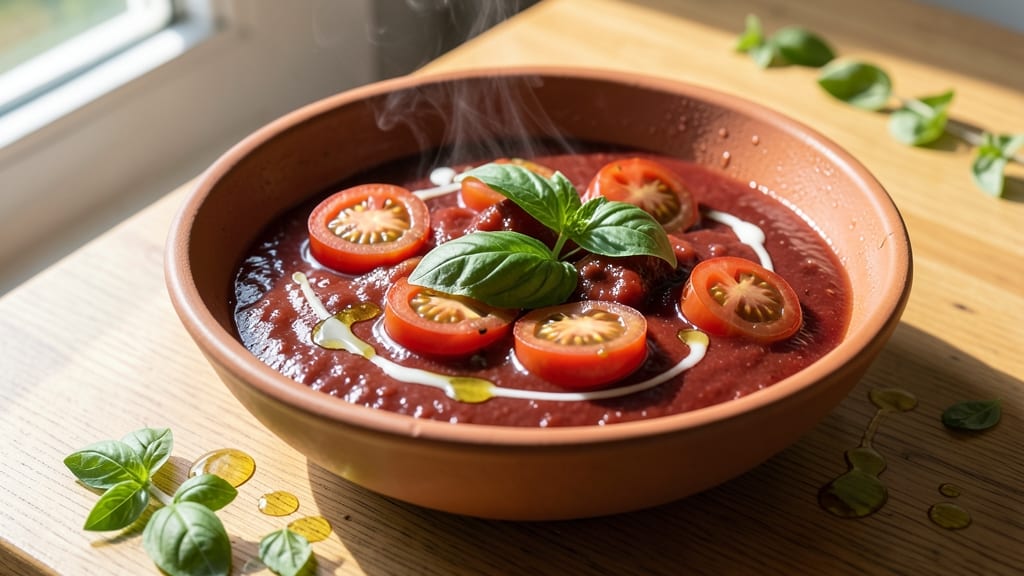
Ina Garten’s fresh tomato sauce brings summer’s bright flavors to your table with just 30 minutes of effortless simmering. 🌿 The secret lies in balancing ripe tomatoes, garlic, and fresh herbs—creating a sauce that’s vibrant, never heavy, and perfect for everything from pasta to bruschetta.
I’ve adapted her signature technique to deliver a version that’s foolproof yet elegant, with a touch of sweetness and acidity that makes every bite sing.
What sets this sauce apart is the careful balance of ingredients—ripe tomatoes for natural sweetness, garlic for depth, and basil for that unmistakable freshness. The sauce simmers gently to develop flavor without breaking down, then finishes with a touch of lemon juice for brightness.
It’s the kind of sauce that transforms simple meals into something special, with a texture that’s smooth yet still bright enough to stand on its own.
By the time you’re done, you’ll have a versatile sauce that’s ready to use immediately or store for up to a week. It’s simple enough for weeknight dinners but refined enough to impress guests—just like Ina’s recipes.
The best part? Every spoonful tastes like a taste of summer, no matter the season.
Use it as a pasta sauce, drizzle it over grilled meats, or spread it on toasted bread for a taste of Italy without the fuss. Here’s how to make it—step by step.
Ingredients for fresh tomato sauce recipe ina garten
Ripe tomatoes, fresh herbs, and a touch of wine—simple ingredients for a sauce bursting with summer flavor.
| Ingredient | Amount | Notes |
|---|---|---|
| Fresh Tomatoes 🍅 | 2 lb | Ripe, vine-ripened preferred |
| Extra-Virgin Olive Oil 🫒 | ½ cup | High-quality, fruity variety |
| Garlic Cloves 🧄 | 6 cloves | Peeled, thinly sliced |
| Fresh Basil Leaves 🌿 | 1 ½ cups | Packed, stems removed |
| Shallot 🧅 | 1 whole | Minced, or sub onion |
| White Wine 🍷 | ½ cup | Dry, like Pinot Grigio |
| Lemon Juice 🍋 | 1 tbsp | Freshly squeezed |
| Salt 🧂 | 1 tsp | Diamond Crystal preferred |
| Black Pepper 🌶️ | ¼ tsp | Freshly cracked |
| Sugar 🍚 | 1 tsp | Optional, balances acidity |
The tomatoes are the heart of this sauce. Look for vine-ripened at the store—they’re sweeter and more flavorful than the green ones. If you can’t find them, San Marzano canned tomatoes work in a pinch (drained well). The basil? Fresh is non-negotiable—dried just won’t cut it here. I grab mine from the farmers market, but the grocery store usually has decent bunches. For the olive oil, avoid the cheap stuff—it’ll make the sauce taste flat. A good fruity oil makes all the difference. The garlic and shallot? Toast them lightly in the oil first—this brings out their sweetness before they cook down.
No white wine? Substitute chicken broth—it’ll give you depth without overpowering. Fresh basil wilted or missing? Dried oregano at half the amount will work, but it’s not the same. The sugar is optional, but if your tomatoes are tart, it balances the acidity beautifully. No sugar? A pinch of honey works too (though technically not vegan). For the shallot, if you’re out, regular onion works fine—just use half the amount. And if you’re short on time, pre-minced garlic from the jar is better than skipping it entirely. The key is keeping everything bright and fresh—no heavy, simmered-down flavors here.
This sauce tastes even better the next day as the flavors meld. Store it in an airtight container in the fridge for up to 1 week, or freeze for 3 months in ice cube trays for single-serving portions. I always make a double batch—half goes on pasta, half gets frozen for lazy nights. If it thickens too much, just stir in a splash of water or broth. And if you’re feeling fancy, finish it with a drizzle of extra-virgin olive oil before serving—trust me, it’s worth the extra minute.
Why You'll Love This Recipe
- No-Chop Necessary: I swear by this when I’m too tired to dice anything. Just toss whole tomatoes, shallots, and garlic into the pan—peels and all—and let them break down. The sauce still tastes like summer, even if I didn’t measure anything.
- Herb-Packed Punch: That first tear of fresh basil in the simmering oil? Unreal. The shallots add this sweet, mellow depth, while the garlic—when you let it bloom just right—gives it a warmth that lingers. It’s the kind of flavor that makes you pause mid-bite.
- Pasta’s Best Friend: This sauce is my lazy Sunday go-to: toss it with al dente spaghetti, let it cling, and boom—dinner. But honestly? It’s just as good slathered on bruschetta or mixed into a grain bowl. I’ve even used it to deglaze a pan after searing chicken.
- Fridge Magic: Make a big batch (it freezes like a dream) and pull it out when you’re short on time. The olive oil keeps it rich even after reheating, and the acidity from the tomatoes balances out any blandness. My go-to for when I’ve got company but zero energy.
Step-by-step instructions for fresh tomato sauce
Here's how to craft Ina Garten's signature bright, herb-infused tomato sauce—simple steps for bold flavor.
🍳 Step 1: Sweat the Shallot and Garlic
Heat the 0.5 cup extra-virgin olive oil in a large, heavy-bottomed saucepan over medium heat. Add the minced shallot and cook for 3-4 minutes until completely softened and translucent. This step builds flavor without browning—don't rush it.
Add the 6 cloves sliced garlic and cook for another 30 seconds until fragrant but not colored. Watch closely—garlic burns fast! Remove the pan from heat completely at this point to prevent any color change. The raw garlic flavor will mellow beautifully in the finished sauce.
🍳 Step 2: Sear the Tomatoes
Return the pan to medium heat and add the 2 lb fresh tomatoes, cutting them into 1-inch chunks as you go. Cook them undisturbed for 5 minutes to develop a slight caramelization on the bottom. This step creates deep, complex flavors that store-bought sauces can't match.
Stir the tomatoes occasionally, scraping up any browned bits from the bottom of the pan. These bits are pure flavor—don't miss them! When the tomatoes begin to soften and release their juices, it's time to add the 0.5 cup white wine and 1 tsp sugar.
🥘 Step 3: Simmer and Develop Flavor
Bring the mixture to a gentle boil, then reduce heat to medium-low and let it simmer uncovered for 15 minutes. This is where the magic happens—the sauce will thicken slightly as the tomatoes break down and release their juices. Stir occasionally to prevent sticking.
After 15 minutes, taste the sauce. It should be tangy but balanced. If it's too acidic, add another ½ teaspoon of sugar. If it needs more depth, add 1 tbsp lemon juice now. The sauce should coat the back of a spoon but still be loose enough to pour easily.
👨🍳 Step 4: Finish with Herbs and Season
Remove the pan from heat and stir in the 1.5 cups fresh basil leaves, 1 tsp salt, and 0.25 tsp black pepper. The basil should wilt slightly but still retain some bright green color. If you're using stems, remove them first—they're tough and won't soften properly.
Let the sauce sit off the heat for 5 minutes to allow the flavors to meld completely. The basil will release its aromatic oils, and the sauce will develop a velvety texture. Taste again and adjust seasoning if needed—this is your chance to perfect the balance of sweet, tangy, and herby flavors.
⏰ Step 5: Serve or Store
Serve the sauce immediately over your favorite pasta, drizzled with a little more extra-virgin olive oil, or use it as a base for other dishes. For best results, serve it warm—this sauce tastes best when fresh and vibrant.
If you need to store it, let it cool completely, then transfer to an airtight container. It keeps well in the refrigerator for up to 5 days or can be frozen for 3 months. When reheating, do so gently over low heat to preserve its bright flavors and delicate texture.
Pro Tips For Making Fresh Tomato Sauce Recipe Ina Garten
- Char the Tomatoes First: Cut the tomatoes in half and place them cut-side down in a dry, screaming-hot pan for 2-3 minutes—just until the edges blacken slightly. This concentrates the sweetness and deepens the flavor, and yes, you’ll need to scrape off those charred bits later (they’re bitter if you don’t).
- Peel the Garlic Properly: Don’t just smash those cloves with the flat side of your knife—use the heel of your hand to crack them open while they’re still in the skin, then peel them right there. Whole cloves release more aroma when cooked whole, and you’ll avoid the bitter almond taste that comes from crushing garlic too early.
- Salt the Shallot Before Cooking: Toss the sliced shallot in a pinch of salt and let it sit for 5 minutes before adding it to the oil. This draws out moisture, ensuring it caramelizes instead of steaming into a sad, pale mush—especially crucial if your shallots are on the wet side.
- Finish with Cold Basil: Tear the basil leaves roughly and add them to the sauce only in the last 30 seconds of cooking, then immediately remove from heat. Hot oil kills basil’s bright flavor faster than you can say “soggy pesto,” and cold leaves retain their aroma way better than wilted ones.
Best sauces and condiments for this recipe
Classic Pasta Pairings
This bright tomato sauce shines with al dente spaghetti or linguine—the long strands let the sauce cling beautifully. I toss 8 oz dried pasta with 2 tbsp olive oil and a pinch of salt before cooking, then finish with a splash of pasta water to loosen the sauce.
For a rustic touch, try bucatini or rigatoni—the hollow tubes trap every herby, tangy bite. 🍝
Bruschetta Upgrade
Toast crusty baguette slices until golden, then rub with a garlic clove. Spread with 2 tbsp warm tomato sauce and top with a sprinkle of Pecorino Romano or fresh mozzarella.
Add a few torn basil leaves for that signature freshness. I love making these ahead and serving them at room temperature—the flavors meld perfectly. 🥖
Pizza Base Perfection
Use this sauce as your pizza foundation—spread ¼ cup sauce thinly on a pre-baked crust, then top with mozzarella, cherry tomatoes, and a drizzle of balsamic glaze.
The sauce’s brightness cuts through the richness of the cheese. For a lighter option, try it on cauliflower crust—it holds up beautifully. 🍕
Protein Pairings
Drizzle over grilled chicken breast or seared scallops for a restaurant-worthy dish. The acidity in the sauce cuts through rich proteins beautifully. I also love it with pan-seared shrimp—toss them with the warm sauce and a squeeze of lemon.
For a heartier option, pair it with braised short ribs or eggplant parmesan. 🍗
Cheese Board Twist
Serve this sauce chilled as a dip alongside aged cheeses like Gorgonzola or Manchego. The tangy sauce balances the richness perfectly. I also pair it with provolone, cured meats, and olives for a Mediterranean-inspired spread. Add a few toasted pine nuts for crunch. 🧀
Soup Base Magic
Turn this sauce into a quick soup by adding 4 cups chicken or vegetable broth and simmering for 10 minutes. Stir in ½ cup cooked white beans or diced zucchini for heartiness.
Top with fresh basil and a swirl of cream for a light, summery dish. It’s the perfect lunch or light dinner. 🥣
Nutrition facts
Frequently asked questions
Can I use canned tomatoes instead of fresh?
Yes, but choose high-quality canned tomatoes like San Marzano and drain them well to avoid excess liquid. For best results, simmer the sauce longer (20-25 minutes) to concentrate flavors. Fresh tomatoes give a brighter, more vibrant sauce, but canned works in a pinch.
How do I adjust the sauce if my tomatoes are too acidic?
Add ½ teaspoon sugar or 1 teaspoon honey per cup of sauce to balance the acidity. For extra depth, stir in 1 tablespoon lemon juice or a pinch of balsamic vinegar after simmering. Taste as you go—this sauce should be tangy but never sour.
Can I make this sauce without wine?
Replace the ½ cup white wine with ½ cup chicken broth or vegetable broth for depth, or use ½ cup water plus 1 teaspoon lemon juice for brightness. The sauce will still develop rich flavors—just skip the alcohol.
Why does my sauce taste bitter?
Bitter flavors often come from overcooked garlic or basil. Remove the pan from heat immediately after adding garlic to prevent burning. For basil, add it at the very end (off heat) to preserve its freshness. If bitterness lingers, stir in 1 tablespoon olive oil or a pinch of sugar to mellow it.
How can I make this sauce thicker?
Simmer uncovered for 5-10 extra minutes to reduce the liquid naturally. For a quicker fix, mix 1 tablespoon cornstarch with 1 tablespoon water, stir into the sauce, and simmer for 2 minutes. Avoid over-thickening—this sauce should remain bright and pourable.