
Sauces & Condiments
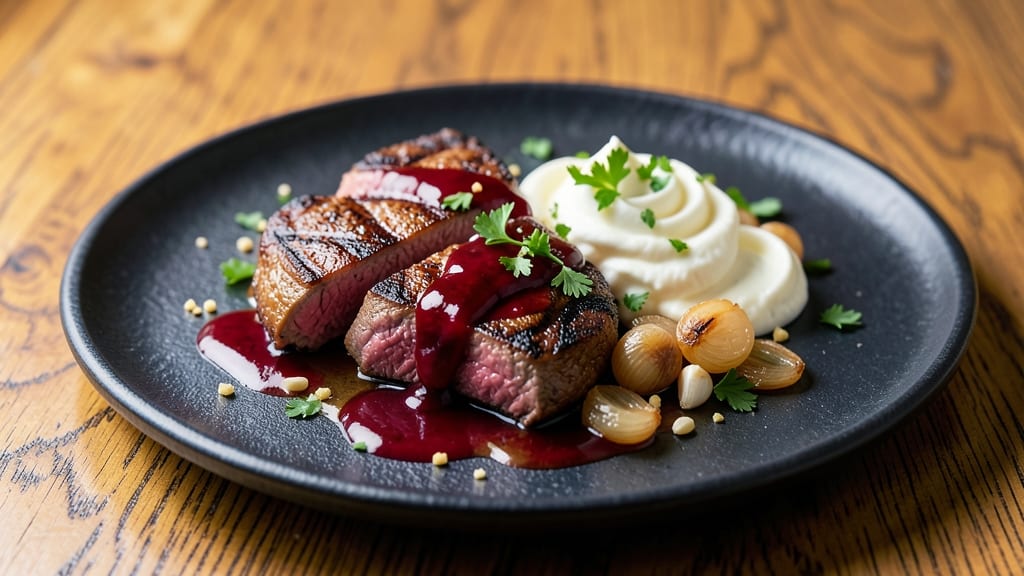
Gordon Ramsay’s lamb sauce transforms a simple protein into a showstopping dish with pan sauce magic that’s rich, velvety, and packed with depth. The secret lies in caramelizing wine reduction while preserving the natural flavors of perfectly seared lamb—no shortcuts, just precision.
This isn’t just a sauce; it’s the star of the plate, elevating lamb from ordinary to extraordinary with techniques Ramsay himself would approve of.
The process begins with a crispy sear on the lamb, locking in juices before deglazing the pan with wine to create a foundation for the sauce. Meanwhile, shallots and garlic build aromatic layers, while butter and stock deepen the richness.
The result? A sauce so luxurious it clings to every bite, balancing sweet, tangy, and savory notes in perfect harmony. No bottled substitutes here—just restaurant-quality flavor developed through careful technique.
What you’ll end up with is tender, golden-brown lamb resting on a bed of glossy, caramelized wine sauce that glistens under the light. The sauce’s texture is velvety yet structured, clinging to the meat without overwhelming it—a testament to Ramsay’s philosophy of balance.
Serve with roasted root vegetables or creamy mashed potatoes to soak up every last drop. This isn’t just dinner; it’s a culinary experience.
Mastering this sauce means paying attention to timing and heat control, but the effort is worth it for a dish that feels like a Michelin-starred meal. Whether you’re cooking for a special occasion or treating yourself to a weeknight upgrade, this lamb sauce delivers restaurant-quality results at home.
Let’s get started—your taste buds will thank you.
Ingredients for lamb sauce gordon ramsay
Rich wine reduction meets crispy lamb sear—this sauce delivers restaurant-quality depth with just 13 ingredients.
| Ingredient | Amount | Notes |
|---|---|---|
| Lamb Loin Chops 🍖 | 1 ½ lb | Bone-in, 1-inch thick, trimmed |
| Dry Red Wine 🍷 | 1 cup | Bold, like Cabernet Sauvignon |
| Shallots 🧅 | 4 whole | Minced, finely chopped |
| Garlic Cloves 🧄 | 4 cloves | Peeled, thinly sliced |
| Unsalted Butter 🧈 | ½ cup | Cold, cubed for finishing |
| Beef Stock 🍲 | 1 cup | Homemade or high-quality |
| Heavy Cream 🥛 | ¼ cup | Full-fat for richness |
| Olive Oil 🫒 | 2 tbsp | Extra-virgin for searing |
| Diamond Crystal Kosher Salt 🧂 | 1 ½ tsp | For seasoning, divided |
| Fresh Thyme Leaves 🌿 | ¼ cup | Chopped, stems removed |
| Fresh Rosemary 🌿 | 1 sprig | Finely chopped, woody stems removed |
| Ground Black Pepper 🌶️ | ½ tsp | Freshly cracked |
| Red Wine Vinegar 🍶 | 1 tbsp | For balance, optional |
The lamb chops make all the difference—bone-in, 1-inch thick ensures perfect sear and juicy centers. Grab them from Whole Foods or your butcher counter, asking for the loin section. Trim any excess fat, but leave a thin layer for flavor. For wine, Cabernet Sauvignon or Malbec work best—avoid sweet varieties. The shallots should be minced so finely they almost dissolve—no one wants to taste chunks. Fresh thyme and rosemary from Trader Joe's bulk section add that herbal brightness Ramsay loves.
No red wine? Dry sherry or beef stock with a splash of balsamic works in a pinch. The butter must be cold when added—take it out of the fridge 10 minutes early so it cubes properly. Substituting heavy cream? Whole milk plus 1 tbsp cornstarch thickens beautifully. For extra depth, add 1 tsp tomato paste with the shallots—it caramelizes into a sweet, umami base. The lamb can be seared ahead and reheated gently, but never skip the crispy crust—that's where all the flavor hides.
This sauce peaks after resting 10 minutes—the emulsified butter coats everything beautifully. Store leftovers in the fridge for 3 days, covered with a thin layer of olive oil to preserve freshness. Freezes for 3 months if portioned into airtight containers. Ramsay's trick? Serve with roasted carrots and mashed potatoes—the sauce clings to both like magic. Double the recipe if you're feeding a crowd—it's that good.
Why You'll Love This Recipe
- One-Pan Magic: I swear by this recipe because it’s literally one pan, one sauce, and zero stress. Sear those chops in butter, toss in shallots and garlic, deglaze with wine—boom. The sauce reduces right there while the lamb rests. My counter stays clean, and my Tuesday nights stay sane.
- Wine-Infused Richness: That dry red wine isn’t just for show—it’s the secret weapon. The shallots caramelize into something sweet and deep, while the garlic cloves mellow into a velvety backbone. The butter ties it all together with a glossy finish that makes every bite taste like a restaurant-worthy bite.
- Weeknight to Weekend: Between us, this recipe works for everything. Throw it on a weeknight when you’re exhausted but craving something fancy. Or impress guests with minimal effort—just plate it with crusty bread and call it a dinner party. My in-laws think I’m a chef after this one.
- Leftovers That Don’t Suck: Most recipes turn sad after day two, but not this. The lamb stays tender, and the sauce only gets better as it cools. I’ll pack it for lunch or reheat it in a flash—no dry, rubbery textures here. Honestly, I make extra just for this reason.
Step-by-step instructions for caramelized wine reduction with lamb
This is where the magic happens—where simple ingredients transform into a velvety wine reduction that clings to every bite.
Sear the Lamb Loin Chops to Perfection
Pat the 1.5 lb lamb loin chops completely dry with paper towels—this ensures maximum browning. Heat 2 tablespoons olive oil in a large skillet over medium-high heat until shimmering. Season the lamb generously with ½ teaspoon diamond crystal kosher salt and ¼ teaspoon ground black pepper on both sides.
Place the lamb in the skillet and sear undisturbed for 3-4 minutes per side until deep golden brown with crisp edges. You'll smell that rich, caramelized aroma—this is your signal that the Maillard reaction is working. Don't rush this step; the deeper the color, the more flavor we'll extract later. Once browned, transfer the lamb to a warm plate and tent loosely with foil to keep warm.
Build the Aromatic Base for the Sauce
In the same skillet (no need to wipe it clean—those browned bits are pure flavor), reduce the heat to medium and add the 4 whole minced shallots. Cook for 4-5 minutes until softened and translucent, stirring occasionally. Add the 4 cloves thinly sliced garlic and cook for another 30 seconds until fragrant—you should smell that sweet, pungent garlic aroma filling your kitchen.
Here's the thing—don't let the garlic burn. If it starts to darken too quickly, reduce the heat slightly. We want flavor, not bitterness. After the garlic, add the 1 sprig finely chopped fresh rosemary and ¼ cup chopped fresh thyme leaves, stirring for 1 minute to release their essential oils. This aromatic base is the foundation of our sauce.
Deglaze and Reduce with Wine and Stock
Pour in the 1 cup dry red wine and scrape up all those delicious browned bits from the bottom of the pan with a wooden spoon. This deglazing step captures all that concentrated flavor that would otherwise go down the drain. Let the wine simmer for 3-4 minutes until reduced by half, with the alcohol cooked off and the wine taking on a deeper, more concentrated color.
Add the 1 cup beef stock and bring to a gentle simmer. The mixture should bubble softly—this is where the sauce starts to develop its body. Let it reduce by about half again, which should take 5-6 minutes. You're looking for a syrupy consistency here, with the sauce coating the back of a spoon. If it reduces too quickly, add a splash of water to control the process.
Finish with Butter and Cream for Richness
Reduce the heat to low and stir in the ½ cup cold cubed unsalted butter, one piece at a time, allowing each to melt completely before adding the next. This butter finish adds incredible richness and helps emulsify the sauce. After the butter is fully incorporated, add the ¼ cup heavy cream and stir gently for 1-2 minutes until smooth and velvety.
Taste and adjust the seasoning with the remaining 1 teaspoon diamond crystal kosher salt and additional black pepper if needed. For a touch of brightness, stir in the 1 tablespoon red wine vinegar—this balances the richness beautifully. The sauce should coat the back of a spoon with a glossy sheen, ready to cling to every strand of lamb.
Plate and Serve with Pan Sauce Magic
Slice the lamb against the grain into ¼-inch thick pieces and arrange on warm plates. Ladle the rich, caramelized wine reduction generously over the top, allowing it to cascade down the sides of the plate. The sauce should be thick enough to cling but still flow slightly when poured. Garnish with an additional sprinkle of fresh thyme leaves for a pop of color and freshness.
Serve immediately while the lamb is still warm and the sauce is at its peak consistency. Each bite should deliver perfectly seared lamb with a luscious, wine-infused sauce that balances richness with acidity. This is the kind of dish that makes people ask, "How did you make this so good?"—and now you know the secret.
Pro Tips For Making Lamb Sauce Gordon Ramsay
- SEAR THE CHOPS HARD: I learned this the hard way—skimp on the sear, and your sauce will taste like it’s playing second fiddle to the meat. Get your pan screaming hot, pat those chops bone-dry with paper towels, and let them develop that deep crust for 3-4 minutes per side. No rushing, even if you’re staring at the clock like I was the first five times.
- FINISH WITH COLD BUTTER: The moment the wine reduces down, pull the pan off heat before adding the butter. Cold butter emulsifies better into the sauce, giving you that silky, glossy finish Ramsay’s version nails. Dump it in, swirl it fast, then return to heat just until it melts—any longer, and you’ll scramble the butter instead of elevating the sauce.
- DEGLAZE WITH WINE STRAIGHT AWAY: As soon as those chops hit the cutting board, toss the pan back on heat with the shallots and garlic. No waiting. The residual meat juices will start sticking immediately, and a quick splash of red wine (about ½ cup) will lift every last bit of flavor off the bottom. Let it bubble hard for 2 minutes—this isn’t the time to be gentle.
- SALT THE SHALLOTS FIRST: Shallots are sneaky little flavor bombs, but they need a head start. Toss them in a pinch of salt and let them sit for 10 minutes before cooking—this softens them and draws out their sweetness. Trust me, your sauce will taste richer without you having to add extra sugar or honey to compensate. (Yes, even if you’re impatient like me.)
Make-ahead tips for this recipe
Prep Ahead Secrets
Start by searing the lamb chops 24 hours ahead—they’ll keep beautifully in an airtight container in the fridge. Reheat gently in a skillet over medium-low heat for 3-4 minutes per side until just warmed through.
This step saves you 15 minutes on cooking day and ensures a perfect crust every time. 💡
Sauce Prep Timeline
Make the wine reduction 1 day ahead and store it in the fridge. The flavors deepen overnight, and the sauce thickens naturally. When ready to serve, simply reheat gently over low heat, stirring occasionally.
If it thickens too much, add 1-2 tablespoons of beef stock to loosen it. This is my favorite shortcut—no one will guess it wasn’t made fresh!
Herb & Aromatic Prep
Chop all your shallots, garlic, thyme, and rosemary the night before and store them in a small container with a sprinkle of olive oil to preserve freshness.
This saves 10 minutes of prep time on the day you cook. Trust me, prepped herbs make the sauce taste even brighter and more aromatic. 🌿
Make-Ahead Plating
Slice the lamb and arrange it on plates 30 minutes before serving. Cover loosely with foil to keep warm, then add the sauce just before dining. This ensures the lamb stays juicy and the sauce remains velvety, not watery.
For a restaurant-style finish, garnish with fresh herbs right before serving. The presentation will wow your guests!
Freezer-Friendly Sauce
Portion the sauce into ice cube trays and freeze. Once solid, transfer to ziplock bags for easy storage. Thaw overnight in the fridge, then reheat gently. This works perfectly for 3 months—just add a splash of wine or stock when reheating to restore richness.
It’s like having a backup sauce on standby! ❄️
Side Dish Prep
Roast your root vegetables or mashed potatoes a day ahead and reheat in the oven at 350°F for 10-15 minutes. This keeps them warm and ready to serve alongside the lamb. Double the recipe if you’re feeding a crowd—leftovers reheat beautifully and taste even better the next day. 🍽️
Nutrition facts
Frequently asked questions
Can I substitute red wine in this lamb sauce?
Yes, but choose carefully! For dry red wine substitutes, use 1 cup dry sherry or 1 cup beef stock + 1 tbsp balsamic vinegar to replicate the depth. Avoid sweet wines or fruit juices—they’ll throw off the sauce’s balance. The wine’s acidity and alcohol are key for reducing properly and cutting through the richness.
How do I fix a sauce that's too thin or too thick?
For a thin sauce, simmer uncovered for 2-3 minutes to reduce further or whisk in 1 tsp cornstarch mixed with 1 tbsp cold water. For a thick sauce, thin it by adding 1-2 tbsp beef stock or warm water, 1 tbsp at a time, while stirring constantly. Ramsay’s trick? Always taste as you go—adjust gradually to avoid ruining the balance.
What's the best way to reheat leftover lamb with sauce?
Reheat gently in a skillet over low heat with 1 tbsp butter and 1 tbsp stock to restore moisture. Cover with foil and warm for 3-4 minutes, then uncover to let the sauce reduce slightly. Never microwave—it turns the sauce watery and ruins the texture. For best results, reheat just before serving.
Can I make this sauce without butter?
You can, but the sauce will lack richness. Replace the ½ cup butter with ¼ cup olive oil + 2 tbsp heavy cream for a lighter version. For a dairy-free option, use ¼ cup coconut cream (unsweetened) and add 1 tsp nutritional yeast for depth. The sauce will still work, but the texture and flavor won’t be as luxurious.
Why does my lamb sauce taste bitter or metallic?
This usually happens from overcooking the garlic or using old wine/stock. For future batches, remove garlic as soon as it’s fragrant (30 seconds max). If the sauce tastes metallic, it might be from reactive metals in your pan—use stainless steel or cast iron. A splash of red wine vinegar (as in the recipe) can also help balance any bitterness.