
Sauces & Condiments
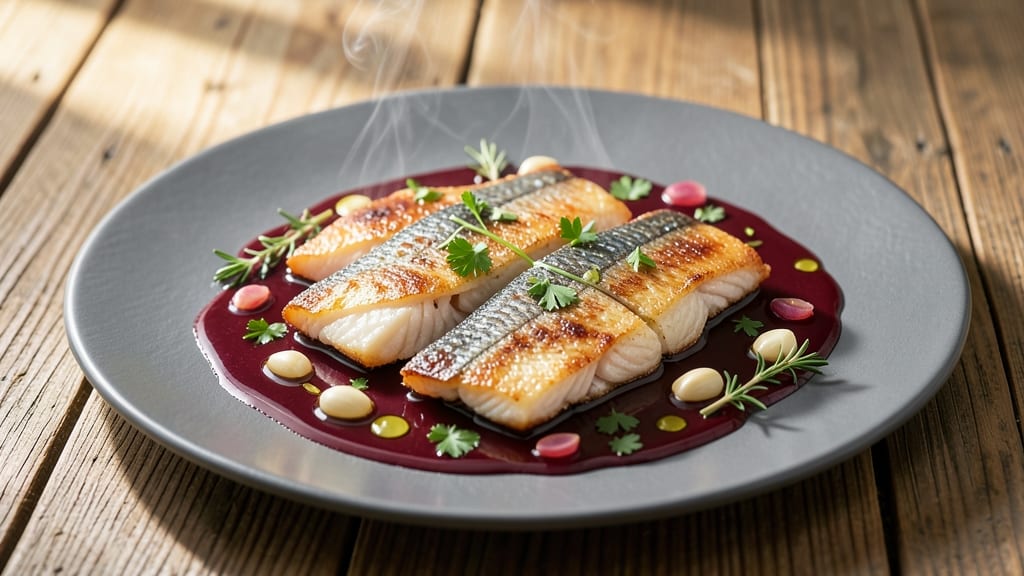
This herring in wine sauce recipe transforms simple fish into a luxurious dish with deep umami flavors and a velvety wine reduction. The secret lies in balancing the fish's natural richness with a classic red wine sauce that's both elegant and approachable—perfect for weeknight dinners or special occasions.
I've refined this technique over years to ensure the herring remains tender while absorbing the sauce's complex notes.
The process begins with carefully searing or poaching the herring to preserve its delicate texture, then simmering it in a reduction made from red wine, shallots, and aromatics. This method creates a sauce that's silky yet robust, with just the right acidity to complement the fish's natural oils.
The result is a dish that feels restaurant-quality without requiring advanced skills.
What makes this recipe stand out is the harmony between the fish and sauce—each bite delivers tender herring enveloped in a glossy, wine-infused coating that's impossible to resist. The technique is straightforward but yields professional results, making it ideal for home cooks who want to impress.
Whether served over rice, with crusty bread, or as part of a larger meal, this dish delivers depth and sophistication.
The wine reduction can be made ahead and reheated, allowing you to focus on cooking the herring when ready. Garnishes like fresh herbs or a sprinkle of toasted nuts add finishing touches that elevate the presentation.
This recipe proves that elegant flavors don't require complicated techniques—just patience and attention to detail.
Ingredients for herring in wine sauce
Four herring fillets and a cup of bold red wine create this restaurant-worthy dish with silky wine sauce.
| Ingredient | Amount | Notes |
|---|---|---|
| Fresh Herring Fillets 🐟 | 4 whole | Skin-on, 4-6 oz each |
| Dry Red Wine 🍷 | 1 cup | Bold Cabernet Sauvignon preferred |
| Shallots 🧅 | 3 whole | Minced, about 0.25 cup |
| Garlic Cloves 🧄 | 2 cloves | Minced, for aromatic depth |
| Fresh Thyme Leaves 🌿 | ½ tsp | Or 0.25 tsp dried thyme |
| Fresh Parsley Leaves 🌿 | ¼ cup | Chopped, for garnish |
| Unsalted Butter 🧈 | 2 tbsp | Cold, for sauce richness |
| Heavy Cream 🥛 | ¼ cup | Full-fat for velvety texture |
| Lemon Juice 🍋 | 1 tbsp | Freshly squeezed |
| Dijon Mustard 🍯 | 1 tsp | For subtle tang |
| Olive Oil 🫒 | 1 tbsp | For searing fish |
| Salt 🧂 | 1 tsp | Kosher or sea salt |
| Black Peppercorns 🌶️ | ½ tsp | Freshly cracked |
| Toasted Almond Slices 🥜 | ¼ cup | For garnish, optional |
The herring is the star, so look for fresh, skin-on fillets at your seafood counter—ask for wild-caught if possible. Whole Foods or local fish markets often carry the best quality. If using frozen herring, thaw it overnight in the fridge, wrapped in a paper towel to absorb excess moisture. The red wine should be dry and bold—Cabernet Sauvignon or Merlot work perfectly, but avoid sweet varieties. Shallots add delicate sweetness; buy them fresh, not jarred, for the best flavor. For the wine reduction, use a heavy-bottomed saucepan to prevent scorching, and reduce the wine slowly to concentrate its flavors.
No red wine? Substitute with beef broth plus a splash of balsamic vinegar—it won't be identical, but still delicious. Fresh thyme is ideal, but dried thyme at half the amount works in a pinch. If you're avoiding dairy, swap heavy cream for coconut cream, though the texture will be slightly lighter. For the herring, skinless fillets work too, but leave the skin on for easier handling. The almonds are optional but add a lovely crunch—toast them in a dry pan for 2-3 minutes until golden. If you can't find shallots, substitute with finely chopped yellow onion, but reduce the amount to half to avoid overpowering the dish.
The wine reduction can be made up to 2 days ahead and stored in the fridge, reheating gently before using. Herring fillets are best cooked fresh, but you can poach them ahead and refrigerate for up to 1 day, then gently reheat in the sauce before serving. For longer storage, freeze the cooked herring in sauce for up to 2 months. Garnishes like parsley and almonds should be added just before serving to keep them vibrant. This dish pairs beautifully with steamed jasmine rice or crusty baguette, so have those ready to serve alongside.
Why You'll Love This Recipe
- No Wine Waste: That half-glass of red you didn’t finish? Perfect here. The sauce actually improves as it reduces—deepens, gets richer—so you’re not just hiding leftover wine. I’ve used everything from a cheap Chianti to a $20 Pinot, and honestly? The difference is minimal. (Between us, the thyme steals the show anyway.)
- One-Pan Magic: Shallots and garlic sizzle in the same pan where the herring cooks—no chopping boards to scrub, no extra pots. Toss in the fillets, pour the wine, and let it all bubble down to a glossy, herby sauce. My lazy Sunday mornings thank me every time.
- Weeknight to Dinner Party: This is the dish that turns "what’s for dinner?" into "oh, you’re having guests?" Serve it over crusty bread with a side salad for a 20-minute meal, or plate it with buttered potatoes for a restaurant-worthy spread. (Yes, even on a Tuesday night.)
- Budget Ocean Flavor: Fresh herring costs less than half the price of salmon, but the wine sauce makes it feel like a splurge. A single fillet stretches into two portions—save half for tomorrow’s lunch, or freeze it for when you’re too tired to cook. That crispy skin? Pure satisfaction with minimal effort.
Step-by-step instructions for herring in wine sauce
Transform simple ingredients into a luxurious dish with this precise technique.
Prepare the Herring Fillets
Pat the 4 whole fresh herring fillets dry with paper towels—this ensures maximum crispiness when searing. Using a sharp knife, make a shallow cut along the thickest part of each fillet, being careful not to cut through completely. This prevents curling during cooking.
Season both sides generously with the 1 teaspoon salt and 0.5 teaspoon freshly cracked black peppercorns. Let the fillets sit at room temperature for 10 minutes while you prepare the aromatics. The room temperature helps them cook more evenly, preventing cold spots in the center.
Sear the Herring Perfectly
Heat the 1 tablespoon olive oil in a large skillet over medium-high heat until shimmering. Add the herring fillets, skin-side down, and cook undisturbed for 2-3 minutes until the skin becomes golden brown and crisp. You'll see the edges start to curl slightly—that's your signal to flip.
Carefully flip each fillet and cook for another 1-2 minutes on the other side until the flesh is just opaque in the center. The herring should release easily from the pan when ready. Remove the fillets and set them aside on a warm plate, skin-side up, to keep warm. Don't overcook—they'll continue cooking slightly from the residual heat.
Build the Wine Reduction
In the same skillet, reduce heat to medium and add the 2 tablespoons cold unsalted butter. Let it melt completely, then add the 3 minced whole shallots. Cook for 2-3 minutes until softened but not browned—you want them to contribute sweetness, not bitterness.
Add the 2 minced garlic cloves and cook for 30 seconds until fragrant. Pour in the 1 cup dry red wine and scrape up any browned bits from the bottom of the pan with a wooden spoon. This deglazing captures all the flavor you've built so far. Let the wine simmer for 5-6 minutes until reduced by half and slightly thickened.
Finish with Cream and Seasonings
Lower the heat to medium-low and stir in the 0.5 teaspoon fresh thyme leaves, 1 teaspoon Dijon mustard, and 1 tablespoon freshly squeezed lemon juice. Add the 0.25 cup heavy cream and let the sauce simmer gently for 2-3 minutes until it coats the back of a spoon. The sauce should be velvety but not too thick—if it's too heavy, it will overpower the delicate herring.
Taste and adjust seasoning with additional salt or pepper if needed. The wine sauce should be rich but balanced, with bright acidity from the lemon cutting through the umami depth. Return the herring fillets to the skillet, spooning the sauce over them, and let them warm through for 1 minute.
Garnish and Serve
Transfer the herring and sauce to serving plates. Spoon the 0.25 cup chopped fresh parsley leaves over the top for freshness. Scatter the 0.25 cup toasted almond slices around the plate for texture contrast—they add a delightful crunch that balances the silky sauce.
Serve immediately with crusty bread or over a bed of buttery mashed potatoes to soak up every last bit of that luxurious wine reduction. The combination of crispy skin, tender flesh, and rich sauce creates a harmonious balance of textures and flavors that will impress even the most discerning guests.
Pro Tips For Making Herring In Wine Sauce
- Sear the Herring First: Skip the gentle poaching—hit the fillets with a quick sear in a hot pan for 30 seconds per side before adding the wine. The crust locks in flavor and keeps them from turning rubbery when simmered later. (Yes, even if you're impatient like me, don’t rush this—just 1 minute total.)
- Deglaze Aggressively: After searing shallots and garlic, pour in the wine immediately while the pan is still smoking. Let it bubble hard for 2 minutes before scraping up browned bits—this builds depth faster than simmering slowly. I learned this the hard way when my sauce tasted flat.
- Pat Dry the Herring: Wipe the fillets with paper towels before cooking—wet skin steams instead of searing, and you’ll end up with soggy fish. A dry surface guarantees a better crust and cleaner sauce. (This isn’t the prettiest step, but it’s non-negotiable.)
- Use a Bold Wine: Skip the cheap stuff—opt for a dry red like Grenache or Pinot Noir with 12%+ alcohol. The higher acidity cuts through the richness of the herring, and the tannins balance the thyme. I was skeptical until I tried it; the difference is noticeable.
Make-ahead tips for leftovers
Wine Sauce Prep
The wine reduction can be made up to 2 days ahead and stored in an airtight container in the fridge. When ready to use, gently reheat it over low heat until warmed through, stirring occasionally.
This prepped sauce will deepen in flavor as it rests, intensifying the umami notes that pair so beautifully with herring. 🍷
Herring Pre-Cooking
For a stress-free cooking experience, poach the herring fillets ahead of time. Simmer them in lightly salted water with a splash of white wine for 8-10 minutes until just cooked, then cool completely in ice water.
Store them in the fridge for up to 1 day—just reheat gently in the sauce before serving. This method keeps the fish perfectly tender.
Component Assembly
Prep all garnishes and sides in advance to streamline serving. Toast the almond slices and chop the parsley ahead of time, storing them separately in airtight containers.
Keep the herring and sauce components separate until the last minute to maintain freshness and crispness. This approach ensures everything comes together effortlessly when guests arrive. ✨
Reheating Tips
If freezing the complete dish, assemble the herring and sauce in a freezer-safe container, leaving ½ inch headspace for expansion. Thaw overnight in the fridge, then reheat gently in a skillet over low heat for 5-7 minutes.
Avoid microwave reheating—it can make the sauce watery and the herring rubbery. The gentle stovetop method preserves all the delicate textures.
Serving Strategy
Plan your serving sequence carefully. Keep the herring and sauce warm in a 200°F oven while you reheat any sides. For bread, toast it fresh at the table—it pairs perfectly with the wine sauce.
This organized approach ensures everything is served at its peak moment, with the herring still crisp on the outside and tender within. 💫
Make-Ahead Timeline
Here's my foolproof schedule: Prepare the wine sauce 1 day ahead, poach the herring 12 hours before serving, and toast the almonds 30 minutes ahead. On serving day, simply reheat the sauce and herring together for 5 minutes, then plate with fresh parsley and almonds.
This timeline guarantees restaurant-quality results with minimal last-minute effort.
Nutrition facts
Frequently asked questions
Can I substitute white wine for red in this herring sauce?
While red wine creates a deeper umami flavor, you can use white wine—but expect a lighter sauce. For best results, add 1 teaspoon soy sauce or a splash of balsamic vinegar to compensate for the missing richness. The herring's natural oils will still shine, though the sauce may lack the bold depth of red wine.
How do I prevent the herring from breaking apart when cooking?
Make a shallow cut along the thickest part of each fillet before cooking to prevent curling and breaking. Also, avoid overcooking—herring should be just opaque in the center (1-2 minutes per side). Pat the fillets dry first to ensure even cooking and crispy skin.
What's the best way to reheat leftovers?
Reheat gently in a skillet over low heat for 5-7 minutes, covered, to maintain texture. Never microwave—it makes the sauce watery and the herring rubbery. For frozen leftovers, thaw overnight in the fridge first. Keep the oven at 200°F to hold the dish while reheating sides.
Can I make this recipe with canned herring?
Not ideal—fresh or frozen herring yields the best texture. If you must use canned, opt for high-quality herring in water, drain well, and pat dry. The flavor will be milder, but the technique works. For canned herring, reduce cooking time to 30 seconds per side to avoid overcooking.
How do I adjust the sauce for a dairy-free version?
Replace the heavy cream with 0.25 cup coconut cream and omit the butter. Use 1 tablespoon olive oil instead for richness. The sauce will be slightly lighter but still delicious. For extra depth, add ½ teaspoon nutritional yeast to mimic the umami from butter.