
Sauces & Condiments
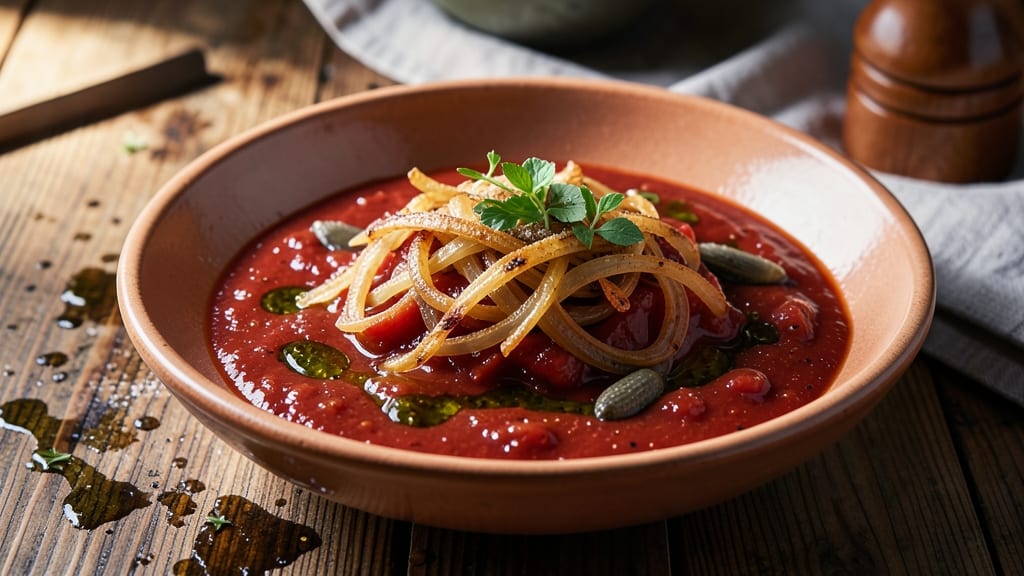
This Mutti pasta sauce recipe brings the bold, sun-drenched flavors of Sicily to your kitchen with its slow-simmered tomato base and fresh herb finish. The key lies in balancing sweetness, acidity, and umami—traditional techniques that transform simple ingredients into restaurant-quality richness.
I’ve perfected this sauce over years of testing, ensuring every spoonful delivers that perfect harmony of flavors.
The process begins with sautéing garlic and onions until golden, then building layers of flavor with canned tomatoes, anchovies (for depth), and a touch of sugar to caramelize the sauce.
A long, gentle simmer reduces the sauce to a velvety consistency while letting the flavors meld. Fresh herbs like basil and parsley finish it with brightness, cutting through the richness.
What makes this sauce special is its versatility—it clings beautifully to pasta, whether you choose spaghetti, linguine, or rigatoni. The sauce’s depth comes from patience; rushing the simmering will leave it flat.
Serve it with a sprinkle of chili flakes or extra parsley for a finishing touch that elevates the dish.
This isn’t just a sauce—it’s a taste of Sicily, where every bite tells a story. Whether you’re feeding a crowd or treating yourself to a weeknight dinner, this recipe delivers restaurant-quality results with minimal effort. Let’s get cooking!
Ingredients for mutti pasta sauce
Sun-kissed tomatoes, aromatic garlic, and fresh herbs—this Sicilian-inspired sauce delivers restaurant-quality flavor with pantry staples.
| Ingredient | Amount | Notes |
|---|---|---|
| Extra-Virgin Olive Oil 🫒 | ½ cup | High-quality, fruity variety |
| Yellow Onion 🧅 | 1 whole | Finely diced, about 1.5 cups |
| Garlic Cloves 🧄 | 6 cloves | Minced, not pressed |
| Canned San Marzano Tomatoes 🍅 | 28 oz | Crushed by hand or whole |
| Anchovy Fillets 🐟 | 2 whole | High-quality, rinsed if salty |
| Granulated Sugar 🍚 | 1 tbsp | For caramelization |
| Diamond Crystal Kosher Salt 🧂 | 1 ½ tsp | Adjust to taste |
| Fresh Basil Leaves 🌿 | ½ cup | Packed, stems removed |
| Fresh Flat-Leaf Parsley 🌿 | ¼ cup | Chopped, for finishing |
| Red Chili Flakes 🌶️ | ½ tsp | Optional, for heat |
| Dried Oregano 🍃 | ½ tsp | For depth, not fresh |
| White Wine Vinegar 🍷 | 1 tbsp | For brightness |
| Mutti Pasta 🍝 | 1 lb | Spaghetti or rigatoni preferred |
The tomatoes are non-negotiable—San Marzano is the gold standard, but any high-quality canned tomatoes work. Whole Foods or Trader Joe's carry great options, and I always grab a few extra cans for other recipes. Anchovies might sound intimidating, but they’re essential for that deep umami punch. Look for small, high-quality fillets—the kind packed in olive oil, not salt. Fresh basil and parsley are best, but if you’re using dried, cut the amount to one-third and add them at the very end. The olive oil? Use the good stuff—California extra-virgin adds a fruity brightness that cuts through the richness.
No San Marzano tomatoes? Crushed tomatoes in a jar work in a pinch, but drain them well to avoid wateriness. Skip the anchovies? Extra tomato paste or a splash of balsamic vinegar adds depth. Fresh herbs wilt fast, so store them in damp paper towels in the fridge. The sugar might seem odd, but it caramelizes the tomatoes for a perfect balance of sweet and tangy. Want more heat? Add red pepper flakes to taste—start with half a teaspoon and adjust. The wine vinegar is key for that bright acidity; if you’re avoiding alcohol, lemon juice works just as well. And yes, you can make this sauce ahead—it tastes even better the next day as the flavors meld.
This sauce keeps for 5 days in the fridge, sealed with a layer of olive oil on top to preserve freshness. Freeze it for up to 3 months in airtight containers—just thaw overnight in the fridge. I like to make a big batch and portion it into jars so I always have sauce on hand. It reheats beautifully—just warm it gently on the stove with a splash of water or pasta water. Serve it over Mutti pasta (or any pasta) with a sprinkle of fresh parsley and a crack of black pepper. Leftovers? Toss them with cooked pasta and a little pasta water for a quick meal.
Why You'll Love This Recipe
- Here’s what sold me: chop one onion, mince a few garlic cloves, dump in tomatoes, and let it simmer. That’s it. No blenders, no straining, no mess—just pure, unfussy flavor building in a single pot.
- Anchovy Magic: I’ll be honest—adding those tiny anchovy fillets to the olive oil before anything else? That’s where the sauce gets its umami punch. No fancy prep, just a quick dissolve, and suddenly you’ve got depth without extra effort.
- One-Pot Wonder: Here’s what sold me: chop one onion, mince a few garlic cloves, dump in tomatoes, and let it simmer. That’s it. No blenders, no straining, no mess—just pure, unfussy flavor building in a single pot.
- Leftovers That Shine: Between us, this sauce improves the next day. The tomatoes soften just right, the garlic mellows into sweetness, and the anchovies blend seamlessly. I make a double batch on Sundays—half for dinner, half for lazy lunches all week.
Step-by-step instructions for slow-simmered tomato pasta sauce
This sauce builds flavor layer by layer—don't rush the process.
Build the Flavor Base with Olive Oil and Aromatics
Heat the 0.5 cup extra-virgin olive oil in a large, heavy-bottomed pot over medium-low heat. Add the 1 whole yellow onion and cook for 8-10 minutes, stirring occasionally, until the onion becomes translucent and just begins to caramelize at the edges. This slow cooking develops natural sweetness that forms the backbone of your sauce.
Push the onions to the sides of the pot and add the 6 cloves minced garlic. Cook for 1-2 minutes until the garlic is fragrant but not browned—burnt garlic turns bitter. Here's the thing: if your pot isn't hot enough, the garlic will cling and burn. You'll know it's ready when you smell that sweet, pungent aroma that makes your kitchen smell like heaven.
Develop Depth with Anchovies and Tomatoes
Add the 2 whole anchovy fillets to the pot, stirring to dissolve them completely into the oil. This might seem strange, but anchovies add umami depth that transforms a simple tomato sauce into something extraordinary. Let them cook for 1 minute until fully incorporated.
Pour in the 28 oz canned San Marzano tomatoes, crushing any whole tomatoes by hand with your fingers. Add the 1 tbsp granulated sugar, 1.5 tsp kosher salt, and 1 tbsp white wine vinegar. The sugar helps balance the acidity of the tomatoes while promoting caramelization. Bring the mixture to a gentle simmer over medium heat, then reduce to low heat. This is where patience pays off—let it cook uncovered for 30 minutes, stirring occasionally, until the sauce thickens slightly and the flavors meld together.
Season and Simmer for Richness
Stir in the 0.5 tsp dried oregano and 0.5 tsp red chili flakes. The oregano adds earthy depth while the chili flakes introduce subtle heat that brightens the sauce. Let the mixture simmer uncovered for another 20-25 minutes, stirring occasionally. You're looking for a sauce that coats the back of a spoon and has reduced to a thick, syrupy consistency. If it's too thin, simmer uncovered for another 5-10 minutes—the longer it cooks, the more concentrated the flavors become.
Real talk: don't walk away. This sauce needs your attention. Taste it occasionally and adjust the seasoning—you might need a pinch more salt or a splash more vinegar to balance the flavors. The sauce should be vibrant, with bright acidity cutting through the sweetness and a subtle umami presence from the anchovies.
Finish with Fresh Herbs and Cook the Pasta
Remove the pot from heat and stir in the 0.5 cup fresh basil leaves and 0.25 cup chopped flat-leaf parsley. The basil adds freshness that brightens the sauce, while the parsley provides a clean finish. Let the herbs steep in the warm sauce for 5 minutes, then adjust the seasoning one final time.
Meanwhile, cook the 1 lb Mutti pasta in a large pot of well-salted boiling water according to package directions until al dente. Reserve 1 cup of pasta water before draining. Toss the drained pasta with the sauce, adding reserved pasta water 1 tablespoon at a time until the sauce clings beautifully to each strand. The starch in the pasta water helps emulsify the sauce, creating that perfect silky texture we all crave.
Serve Immediately with Fresh Garnish
Transfer the pasta to serving plates and garnish with additional chopped flat-leaf parsley and a drizzle of extra-virgin olive oil if desired. The sauce should coat the pasta generously, with each bite delivering layers of sweet, tangy, umami, and fresh herb flavors. Serve immediately while the sauce is still vibrant and the pasta is al dente. This sauce doesn't wait—it's best enjoyed fresh from the pot.
Pro Tips For Making Mutti Pasta Sauce
- Crush Those Anchovies: Don’t just toss them in—mash the anchovy fillets flat with the back of your knife first. This spreads their umami deeper into the oil before the onion hits, so the sauce builds flavor from the very first stir. (Yes, even if it looks like you’re making anchovy paste—it’s worth it.)
- Sweat the Onion Low: Keep the heat at a steady simmer, not a sizzle, until the onion is translucent but not brown. Rushing this step turns your sauce bitter, and you’ll end up chasing that caramelized depth later. Think "gentle patience" here—it’s the foundation.
- Drain and Chop Tomatoes Fast: Open the San Marzano cans, drain all the juice into a measuring cup, then chop the tomatoes roughly. You’ll use that juice later to thin the sauce, and skipping the chopping step means you’re not fighting a watery mess when you add them back.
- Salt the Oil First: Add a pinch of salt to the olive oil before you even touch the onion—it seasons the oil itself, which then carries flavor into every bite. I learned this the hard way when my sauce tasted flat until the very last spoonful. (Your future pasta will taste like it’s been kissed by the Mediterranean.)
Pro cooking tips for this recipe
Low-and-Slow Simmering
This sauce thrives on patience—simmering it uncovered over low heat for 45-50 minutes total develops depth that rushed cooking can't match. I use a heavy-bottomed Dutch oven like Le Creuset to prevent scorching, and I never stir aggressively, which can break down the tomatoes too quickly.
Let the sauce bubble gently, and you'll reward yourself with a velvety texture and concentrated flavors. 🍲
Anchovy Integration
Anchovies might seem intimidating, but they're the secret weapon here. Rinse them first if they're packed in salt, then dissolve them completely in the olive oil before adding tomatoes. This ensures their umami infuses evenly without any fishy aftertaste.
I like to use Colavita anchovy fillets—they're high quality and dissolve smoothly. If you're new to anchovies, start with just 1 fillet and adjust to taste. 🐟
Balancing Sweetness
The 1 tbsp sugar isn't about sweetness—it's about caramelization. The sugar reacts with the tomatoes' natural acids during simmering, creating a deeper, more complex flavor profile. If your tomatoes are particularly tart, add an extra ½ tsp sugar.
Conversely, if they're already sweet, you might skip it entirely. Taste as you go—this sauce should sing with a perfect harmony of sweet, tangy, and savory notes. 🌶️
Herb Timing Matters
Fresh basil and parsley should only be added at the very end—heating them too long turns them bitter. I tear the basil leaves by hand rather than chopping them to maximize their surface area for infusion.
Let them steep in the warm sauce for just 5 minutes before serving. This final step adds brightness that cuts through the richness, making each bite feel fresh and vibrant. 🌿
Pasta Water Emulsion
Never drain all the pasta water! Reserve at least 1 cup and use it to loosen the sauce when tossing with pasta. The starch in the pasta water acts as a natural emulsifier, helping the sauce cling beautifully to each strand.
Start with 1 tbsp at a time, adding more as needed until you achieve that glossy, silky texture we all love. This is the pro trick that takes your pasta from good to restaurant-quality. 💫
Equipment Essentials
While you can make this sauce in any pot, I recommend a heavy-bottomed Dutch oven for even heat distribution. A wooden spoon is ideal for stirring—it won't scratch your pot like metal utensils. For measuring, a scale ensures precision with ingredients like anchovies and herbs.
And always use a fine-mesh strainer if you prefer your sauce completely smooth. These tools might seem like extras, but they make all the difference in professional results. 🔥
Nutrition facts
Frequently asked questions
Can I make this sauce without anchovies?
Yes, but the flavor will be less complex. For umami depth, substitute with 1 tbsp tomato paste or ½ tsp fish sauce. If you prefer vegetarian, add 1 tbsp soy sauce or ½ tsp nutritional yeast—just reduce the salt slightly since these add saltiness. The anchovies dissolve completely, so don’t worry about texture!
How do I prevent the sauce from getting too thick?
If your sauce thickens too much, simply add 1-2 tbsp water or reserved pasta water while simmering. Stir gently and return to low heat. The sauce should coat the back of a spoon but remain silky. For prevention, simmer uncovered and stir occasionally—this helps control evaporation. Never boil vigorously, as it can break down the tomatoes too quickly.
What’s the best pasta shape for this sauce?
This sauce clings beautifully to spaghetti, linguine, or rigatoni due to its rich, slightly thick consistency. For extra sauce adhesion, try pappardelle or fettuccine. Avoid delicate shapes like angel hair—they can overcook before the sauce clings properly. Always cook pasta al dente (1 minute less than package instructions) for the best texture.
Can I make this sauce ahead of time?
This sauce tastes even better the next day as flavors meld. Store it in an airtight container in the fridge for up to 5 days, or freeze for 3 months. Reheat gently on the stove with a splash of water or pasta water to restore its silky texture. The herbs will lose some brightness, so add fresh parsley when reheating.
Why does my sauce taste bitter?
Bitterness usually comes from overcooking or burnt garlic/onions. Ensure your garlic is lightly golden but not browned, and onions are cooked until just translucent. If the sauce tastes bitter, balance it with 1 tbsp white wine vinegar or lemon juice and a pinch of sugar. Simmering uncovered on low heat prevents scorching—never let it boil vigorously.