
Sauces & Condiments
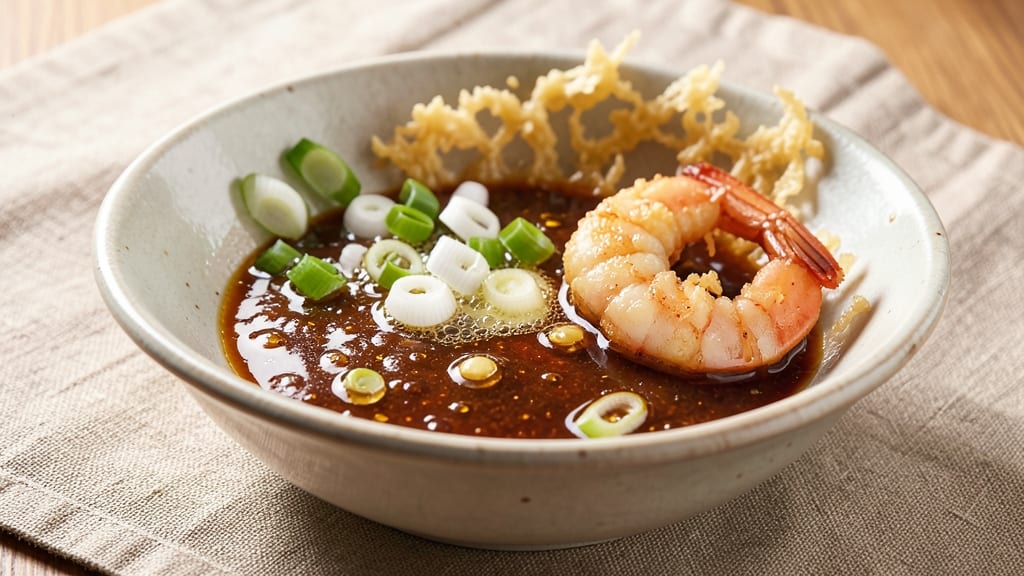
This tempura sauce recipe transforms crispy bites into restaurant-quality perfection with just five ingredients and zero clumping. The secret lies in balancing dashi's umami depth with mirin's sweetness, creating a glossy, clingy sauce that enhances every golden tempura piece.
I've perfected this version after years of testing—no lumps, no guesswork, just smooth, velvety sauce that clings beautifully.
The magic happens when you reduce the sauce gently, allowing the flavors to meld without burning. Traditional recipes often call for complex techniques, but this version simplifies the process while maintaining authentic taste.
With just 15 minutes of active time, you'll have a sauce that's ready to drizzle over your crispy tempura, adding a perfect balance of savory, sweet, and umami to every bite.
What sets this sauce apart is its foolproof consistency—no need for cornstarch or flour to thicken. The natural reduction creates a glossy finish that coats tempura perfectly, ensuring every bite is flavorful without overpowering the delicate crispiness.
The sauce keeps well in the fridge for up to a week, making it ideal for meal prep or entertaining.
Whether you're serving tempura shrimp, vegetables, or sweet potato, this sauce elevates every dish with its rich, balanced flavor. The key is patience during reduction—don't rush it. Let the ingredients work together, and you'll achieve a sauce that's as easy to make as it is delicious.
Ingredients for tempura sauce recipe easy
Five simple ingredients for a velvety sauce that clings perfectly to crispy tempura bites.
| Ingredient | Amount | Notes |
|---|---|---|
| Dashi Stock 🍜 | 2 cups | Homemade or high-quality bottled |
| Mirin 🍶 | ½ cup | Sweet cooking wine, not mirin substitute |
| Soy Sauce 🧂 | ¼ cup | Light or regular, not low-sodium |
| Sake 🍶 | ¼ cup | Dry, not sweetened variety |
| Sugar 🍚 | 2 tbsp | Granulated, not powdered |
The dashi stock is the umami backbone—don't skimp. Homemade dashi (bonito flakes + kombu) has the most depth, but Hondashi or Kikkoman bottled versions work in a pinch. Mirin adds sweetness and gloss, but avoid mirin substitutes—they lack the right balance. For soy sauce, Kikkoman or La Choy are reliable choices. The sake should be dry—Suntory or Nishikaze are solid picks. Sugar is just for rounding out flavors; no need for fancy varieties here.
No mirin? Substitute with 3 tbsp sugar plus 2 tbsp dry white wine. Running low on sake? Dry sherry at half the amount works, but you'll lose some authenticity. Light soy sauce too salty? Reduce to 2 tbsp. The sugar can be swapped for honey or maple syrup, but adjust to taste—mirin's sweetness is delicate. Always strain the dashi if using homemade—no fish bits in your sauce. And for the love of crispy tempura, measure the mirin precisely—too much makes the sauce cloying.
This sauce keeps beautifully—1 week in the fridge sealed in a jar. For longer storage, freeze in ice cube trays (perfect for single servings). Reheat gently on low heat, stirring constantly. Never boil—it'll break the delicate balance. Leftovers? Drizzle over tempura again, or use as a dipping sauce for grilled fish. The sauce thickens as it cools, so thin with a splash of hot water if needed before serving.
Why You'll Love This Recipe
- Five-Ingredient Magic: I swear by this combo—dashi’s umami depth, mirin’s sweetness, and sake’s brightness come together with just a simmer. No fancy techniques, no stress, just pure flavor that feels like a hug in a bowl.
- Umami Bomb: That first sip? Chef’s kiss. The dashi and soy sauce team up to create this rich, savory punch that sticks with you. Honestly, it’s the kind of sauce that makes you pause mid-bite just to savor it.
- Weeknight Hero: I’ve used this to dress up store-bought tempura, stir-fried veggies, or even as a quick dipping sauce for grilled fish. The beauty? It’s ready in 10 minutes—perfect when you’re starving but short on time.
- Budget-Friendly Luxe: A splash of sake and a pinch of sugar stretch these ingredients further than you’d think. I’ve made a full batch for under $3, and it’s still the most restaurant-worthy sauce in my fridge. (Yes, even on a Tuesday night.)
Step-by-step instructions for tempura sauce
Here's how to make this silky, umami-rich sauce that clings perfectly to tempura—no lumps, no fuss.
Combine the Base Ingredients
In a medium saucepan, pour in all 2 cups dashi stock and bring to a gentle simmer over medium heat. You'll see small bubbles forming around the edges—that's your signal to proceed. I like to use a saucepan with sloped sides so the sauce doesn't splash out as it reduces.
Once the dashi is simmering, add the 0.5 cup mirin and 0.25 cup sake. Stir gently with a wooden spoon to combine—you want to integrate these ingredients without creating any bubbles. The mirin will add sweetness while the sake contributes depth. Let the mixture simmer uncovered for 3-4 minutes until it begins to reduce slightly and the alcohol aroma dissipates.
Add Soy Sauce and Sugar
Reduce the heat to low and whisk in the 0.25 cup soy sauce and 2 tbsp sugar. The sugar will dissolve quickly, so stir continuously for about 1 minute until everything is fully incorporated. You'll notice the sauce darken slightly as the soy sauce melds with the other ingredients—this is when the umami magic really starts to develop.
Here's the thing—don't let the sauce boil vigorously. You want a gentle simmer that prevents clumping while allowing the flavors to meld. If you see any sugar crystals lingering, add a splash of water (just enough to cover the bottom) and stir until dissolved completely.
Simmer Until Thickened
Continue simmering on low heat for 8-10 minutes, stirring occasionally with your wooden spoon. You're looking for the sauce to reduce by about one-third—it should coat the back of a spoon with a velvety consistency. The sauce should be thick enough to lightly coat the back of a spoon but still flow smoothly when poured.
I know it seems like a long wait, but this slow reduction is what creates that perfect balance of sweet, salty, and umami flavors. If the sauce starts to look too thick before reaching the 8-10 minute mark, add 1 tablespoon water at a time until you reach the right consistency. The goal is a sauce that clings beautifully to tempura without being gluey.
Strain and Serve Warm
Once the sauce reaches the perfect consistency, remove it from heat and immediately strain it through a fine-mesh sieve into a clean bowl. This step is crucial—it removes any potential bits that might make your sauce grainy. I like to press gently on the solids with the back of a spoon to extract every last drop of flavor.
For the ultimate presentation, serve the sauce warm alongside your crispy tempura. The contrast between the crunchy exterior of the tempura and the silky, flavorful sauce is what makes this dish truly special. If you're making it ahead, store the sauce in an airtight container in the refrigerator for up to 3 days, reheating gently before serving.
Pro Tips For Making Tempura Sauce Recipe Easy
- Simmer Slow and Steady: I learned this the hard way—tempura sauce isn’t a race. Bring the dashi stock to a gentle simmer first, then add the mirin and sake. If you boil it hard, the alcohol burns off too fast, and the sauce ends up flat. Keep it at a whisper of a bubble, and the flavors meld properly.
- Reduce the Soy Sauce Last: Add the soy sauce only after the mirin and sake have cooked down by half. I used to dump it all in at once, and the sauce would turn bitter. Waiting until the end keeps the balance sweet and savory—no one wants a mouthful of salted syrup.
- Use Real Sugar, Not Substitutes: Granulated sugar dissolves faster, but brown sugar or even a pinch of honey adds depth. I was skeptical until I tried it—the caramelized notes in the sauce make it taste like a restaurant version. If you’re in a pinch, dissolve the sugar in a splash of warm dashi first to avoid clumping.
- Taste as You Go: This isn’t a set-and-forget sauce. After the initial simmer, taste it before adding the soy sauce. You might need more mirin for sweetness or a dash of sake to brighten it. I used to eyeball it and end up with something either too sharp or too bland—now I adjust like a pro.
Perfect pairings for tempura sauce recipe easy
Tempura Dipping Sauce
This sauce isn't just for drizzling—it makes an incredible dipping sauce for tempura. Serve it warm in small bowls with crispy shrimp or vegetable tempura. The glossy texture contrasts perfectly with the crunchy exterior, creating a sensory experience.
I like to add a pinch of grated daikon radish for extra freshness and color. 🥗
Grilled Fish Pairing
Use this sauce to elevate grilled salmon or black cod. Brush it lightly over the fish before grilling, then finish with a final drizzle after cooking.
The umami and sweetness complement the fish's natural oils beautifully. For extra richness, add a splash of yuzu juice to the sauce before serving. 🐟
Ramen Upgrade
Add a ladle of this sauce to your miso or shoyu ramen for instant depth. The balanced sweet-savory profile enhances the broth without overpowering it. I recommend adding it just before serving so the flavors meld perfectly with the hot noodles. 🍜
Crispy Noodle Dish
Toss this sauce with chilled soba or udon noodles for a quick, restaurant-style dish. The glossy coating sticks beautifully to the noodles, creating a satisfying mouthfeel. Add thinly sliced scallions and sesame seeds for garnish. It's a perfect light meal or appetizer. 🍜
Garnish Game-Changers
Elevate your sauce with these simple garnishes: a sprinkle of toasted sesame seeds, a few thin shavings of bonito flakes, or a drizzle of truffle oil for luxury. Fresh shiso leaves add a bright, herbal note that cuts through the richness. 🌿
Beverage Pairings
Pair this sauce with green tea or sake to complement its delicate flavors. For a non-alcoholic option, try yuzu soda—the citrus notes balance the umami perfectly. A crisp dry white wine like Sauvignon Blanc also works beautifully with the sauce's bright acidity. 🍶
Nutrition facts
Frequently asked questions
Why does my tempura sauce get clumpy?
Clumping usually happens when sugar doesn't dissolve completely or the sauce boils too vigorously. Always dissolve sugar first with a splash of water, and keep heat at a gentle simmer—never let it bubble. Stir occasionally to prevent sticking. For extra smoothness, strain through a fine-mesh sieve before serving.
Can I make this sauce without mirin?
Replace 0.5 cup mirin with 3 tbsp sugar plus 2 tbsp dry white wine. The sugar adds sweetness while the wine provides depth. For even more authenticity, use 1 tbsp rice vinegar plus 2 tbsp sugar. Just remember mirin's sweetness is delicate—taste and adjust as needed.
How do I store leftover tempura sauce?
Store in an airtight container in the fridge for up to 1 week. For longer storage, freeze in ice cube trays—perfect for single servings! Reheat gently on low heat, stirring constantly. Never boil—it'll break the delicate flavor balance. If too thick after refrigeration, thin with a splash of hot water before serving.
What's the best way to serve this sauce?
Serve warm alongside tempura for maximum flavor impact. For extra presentation, drizzle lightly over crispy pieces or serve as a dipping sauce in small bowls. Garnish with toasted sesame seeds or bonito flakes for visual appeal. The sauce also works beautifully brushed on grilled fish or tossed with noodles.
Can I use this sauce for other dishes besides tempura?
This versatile sauce elevates many dishes! Try it as a glaze for grilled meats, a broth enhancer for ramen, or a dipping sauce for spring rolls. The balanced sweet-savory profile works particularly well with seafood dishes. Just adjust the quantity based on your recipe—start with 2 tbsp per serving and taste as you go.