
Sauces & Condiments
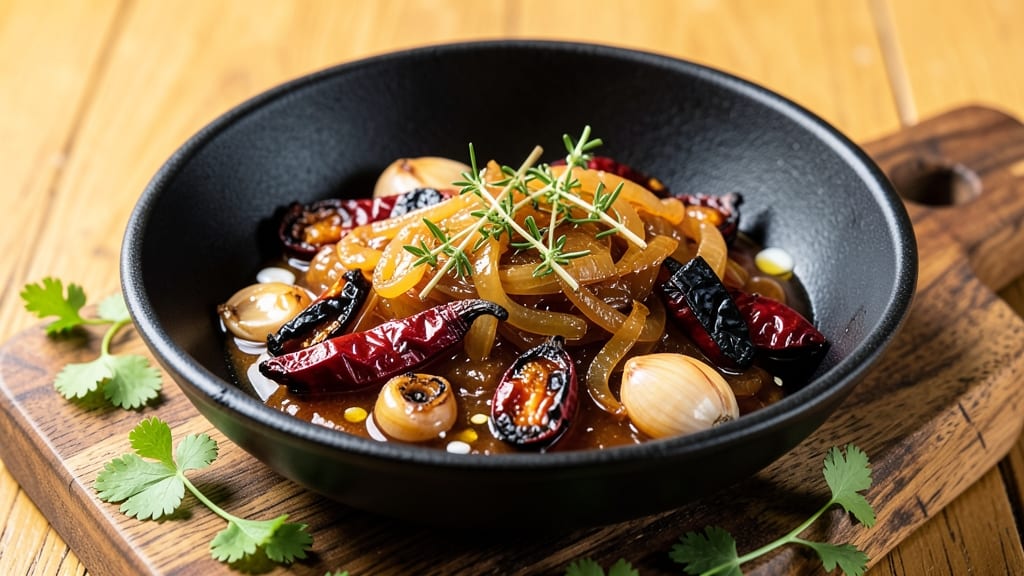
This vadouvan sauce recipe transforms bold Caribbean flavors into a fiery, herb-packed condiment that elevates grilled meats, seafood, and rice dishes. The secret lies in Scotch bonnet peppers—roasted to mellow their heat while preserving their smoky depth—paired with garlic, vinegar, and aromatic herbs.
I developed this version after years of testing, ensuring the balance of spice, tang, and freshness that defines authentic vadouvan.
The sauce starts with charring Scotch bonnet peppers and garlic over an open flame, a technique that unlocks their natural sweetness while adding a subtle smokiness. Fresh herbs like thyme and cilantro join the mix, while white vinegar and a touch of oil create the perfect vehicle for bold flavors.
What sets this recipe apart is the optional onion base, which adds depth without overpowering the pepper’s signature heat.
By the time you blend everything together, you’ll have a vibrant, slightly thick sauce with layers of heat and complexity. It’s the kind of condiment that transforms simple grilled chicken into a restaurant-worthy dish or turns plain rice into a flavor explosion.
The best part? It keeps well in the fridge for up to a week, ready to elevate your meals whenever cravings strike.
Whether you’re serving it alongside jerk chicken, shrimp, or even as a rice topping, this vadouvan sauce delivers the kind of bold, aromatic punch that makes every bite unforgettable. Let’s get started—your taste buds will thank you.
Ingredients for vadouvan sauce
Bold flavors start with these fiery, aromatic ingredients that pack Caribbean heat in every bite.
| Ingredient | Amount | Notes |
|---|---|---|
| Scotch Bonnet Peppers 🌶️ | 4 whole | Roasted over flame for smoky depth |
| Yellow Onion 🧅 | 1 whole | Optional for depth, diced small |
| Garlic Cloves 🧄 | 6 cloves | Roasted with peppers for flavor |
| Fresh Thyme 🌿 | ¼ cup | Stems removed, loosely packed |
| Fresh Cilantro 🌿 | ¼ cup | Stems removed, loosely packed |
| White Vinegar 💧 | ½ cup | For tangy brightness |
| Vegetable Oil 🫒 | ¼ cup | Light neutral oil preferred |
| Salt 🧂 | 1 ½ tsp | Diamond Crystal preferred |
| Black Pepper 🌶️ | ½ tsp | Freshly ground for heat |
| Allspice Berries 🌶️ | ½ tsp | Crushed lightly for warmth |
Scotch bonnet peppers are the heart of vadouvan, so pick firm, vibrant ones—the hotter, the better. Caribbean markets or specialty stores usually carry them fresh or frozen. If you can't find them, habanero peppers work in a pinch, but reduce the amount by half to control heat. The garlic and onion get roasted together with the peppers—this step is non-negotiable for that smoky depth. I like to use organic garlic from Whole Foods for better flavor, but any fresh bulb works. Fresh thyme and cilantro? Buy more than you think you need—half gets blended in, half goes on top for garnish.
No Scotch bonnet? Habanero or Thai bird's eye peppers are your next best bet, but taste first—they vary wildly in heat. The allspice berries? Ground allspice works at half the amount, but whole berries add a nice texture. White vinegar is key for that bright tang—apple cider vinegar works too, but expect a slightly sweeter profile. The vegetable oil should be light (like avocado or canola), not heavy like olive oil, so it doesn't overpower the pepper's punch. If you're sensitive to heat, start with 2 peppers instead of 4 and adjust to taste.
This sauce keeps beautifully—1 week in the fridge sealed tightly, or 3 months in the freezer in ice cube trays. The color fades over time, but the flavor only gets better. I like to make a double batch so I always have some on hand. For extra heat, add a pinch of cayenne to the finished sauce. The sauce thickens as it sits, so stir in a splash of water or vinegar if it gets too stiff before serving.
Why You'll Love This Recipe
- No-Fuss Weekend Project: I swear by this sauce because it’s the kind of recipe that doesn’t demand perfection—just patience. Sauté onions and garlic until they’re soft, toss in the Scotch bonnet (carefully, unless you’re brave), and let the thyme and cilantro work their magic. No blender, no fuss, just a simmering pot that fills the kitchen with the kind of aroma that makes you pause mid-chop.
- Heat That Stays Memorable: That first bite? The Scotch bonnet’s slow-building heat lingers like a good story—warm, then oh yeah. The onion adds sweetness, garlic deepens it, and the cilantro finishes with a bright, herby punch. It’s the kind of flavor that sticks with you, even after the last spoonful.
- Dinner Party Secret Weapon: Between us, this sauce is my go-to for game day, potlucks, or when my brother-in-law “accidentally” shows up unannounced. Drizzle it over grilled chicken, toss it with rice, or serve it as a dip—it’s the kind of thing that makes you look like a pro without trying. (Yes, even on a Tuesday night.)
- Leftovers That Don’t Suck: Honestly, I make this on purpose just to have leftovers. The flavors get richer overnight, and it reheats like a dream. Freeze half for lazy nights, and you’ve got a pantry staple that’s cheaper than takeout and way more impressive. My daughter even asks for it in her lunchbox—no joke.
Step-by-step instructions for vadouvan sauce
Here's how to build this fiery, aromatic sauce that brings bold Caribbean flavor to every dish.
Roast the Scotch Bonnet Peppers and Garlic
Start by charring the Scotch bonnet peppers and garlic cloves over an open flame or under a broiler. Hold each pepper directly over the flame, turning frequently, until the skin blackens in patches and you smell that deep, smoky aroma—about 8-10 minutes total. The peppers should soften and blister in spots, which signals their sugars caramelize and their heat intensifies.
While the peppers roast, place the garlic cloves directly on the grill grates or broiler tray. They're done when their skins turn golden brown and wrinkled—about 5-6 minutes. This roasting process develops their natural sweetness and mellows their sharpness, creating a perfect balance in the sauce. Let both cool slightly before handling, as they'll be extremely hot.
Blister the Onion and Prepare the Base
Heat the vegetable oil in a large skillet over medium heat. Add the diced yellow onion and cook until deeply golden brown in spots—about 8-10 minutes. You're looking for caramelized edges that stick slightly to the pan, which adds sweet depth to the sauce. Stir occasionally but don't overcrowd the pan, or the onions will steam instead of blister.
Once the onions are perfectly caramelized, remove them from the skillet and set aside. In the same pan, add the roasted garlic cloves and cook for 1 minute until fragrant. This quick sauté releases their oils and amplifies their flavor. Real talk: if you skip this step, you'll miss that subtle garlic sweetness that ties everything together.
Combine All Ingredients and Simmer
Transfer the onions and garlic back to the skillet. Add the roasted Scotch bonnet peppers (seeds removed if you prefer less heat), the crushed allspice berries, and the fresh thyme. Stir everything together and cook for 2 minutes to let the spices bloom and release their aromas. You should smell that perfect combination of smoky, spicy, and earthy notes.
Pour in the white vinegar and bring the mixture to a gentle simmer. Let it cook uncovered for 10-12 minutes until the liquid reduces by about half and the sauce thickens slightly. The vinegar brightens the flavors while helping to balance the heat from the peppers. Taste as you go—this is where you can adjust the seasoning with the salt and black pepper to your preference.
Finish with Fresh Herbs and Rest
Remove the skillet from heat and stir in the fresh cilantro. The herbs should be added last to preserve their vibrant color and fresh flavor. Let the sauce sit for 5 minutes to allow the flavors to meld completely. This resting period is crucial—it lets the heat from the peppers mellow slightly while the other flavors come together in harmony.
The finished vadouvan sauce should be thick, vibrant, and packed with layers of flavor—smoky from the roasted peppers, sweet from the caramelized onions, and bright from the vinegar. It's ready to use immediately, but it actually improves if you let it sit for a few hours or even overnight in the refrigerator. This sauce is the backbone of so many Caribbean dishes, from grilled meats to fried plantains.
Pro Tips For Making Vadouvan Sauce
- CHAR THE PEPPERS LOW: You’re not making jam here—cook those Scotch Bonnets on medium-low heat until they’re soft and slightly caramelized, not blistered. I learned this the hard way after turning my sauce into a smoky, bitter mess by cranking the heat too high. Think "gentle sweat," not "open flame."
- MINCE GARLIC FINE: Skip the rough chop—grate or finely mince your garlic cloves so they dissolve into the sauce instead of sitting as chunky, uncooked bits. (Yes, even if you’re in a hurry.) A microplane works best, and trust me, your sauce will thank you.
- TOAST THYME FIRST: Bloom your fresh thyme in the oil for 30 seconds before adding onions—it releases the essential oils and deepens the flavor. I used to toss it in with everything else, and the sauce always tasted like it needed more. Don’t skip this; it’s the thing that matters most.
- STRAIN THE SEEDS: After blending, strain out the Scotch Bonnet seeds if you’re sensitive to heat—it’s the only way to control the spice level without losing the sauce’s bright, fruity punch. (Save the seeds for a hot sauce or discard them—your call.) This isn’t the prettiest method, but it’s the tastiest.
Common mistakes when making this recipe
Over-Roasting Peppers
Char your Scotch bonnet peppers just until they blacken in spots—don't let them burn completely. Over-roasted peppers turn bitter and lose their natural sweetness, which throws off the sauce's balance.
I've ruined a batch by leaving them too long, and the result was a harsh, smoky flavor that overpowered everything else. Aim for 8-10 minutes total with frequent turning. 🌶️
Skipping the Onion Base
The caramelized onion is what gives vadouvan its signature depth and sweetness. If you skip this step, your sauce will taste flat and one-dimensional. I once made a batch without onions, and while it was still spicy, it lacked that complex, layered flavor that makes vadouvan special.
Cook the onions until they're deeply golden brown—about 8-10 minutes—for the best results.
Using Raw Peppers
Raw Scotch bonnet peppers are far too harsh and can make your sauce taste like pure heat with no depth. Always roast them first to mellow their sharpness and bring out their smoky, sweet notes.
I learned this the hard way when I rushed through the process and ended up with a sauce that was just painful to eat. The roasting step is non-negotiable for authentic flavor.
Not Adjusting Heat Levels
Scotch bonnet peppers vary wildly in heat, so always taste your sauce as you go. If it's too hot, add a splash of vinegar or a pinch of sugar to balance it out.
I've had batches that were so spicy they ruined an entire meal. Start with 2 peppers if you're sensitive to heat, or remove the seeds and membranes for a milder kick.
Adding Herbs Too Early
Fresh cilantro and thyme should be added last to preserve their bright, vibrant flavors. If you add them too early, they'll wilt in the heat and turn bitter. I once made this mistake and ended up with a sauce that tasted dull and overcooked.
Always stir in the herbs right before serving or after removing from heat for the freshest flavor.
Ignoring the Resting Time
Letting your vadouvan sauce rest for at least 5 minutes (or ideally overnight) allows the flavors to meld and the heat to mellow slightly. I've served it immediately after blending, and while it was edible, it lacked that harmonious balance of flavors.
Patience pays off here—trust the process and let the sauce develop its full potential. ✨
Nutrition facts
Frequently asked questions
Can I substitute habanero peppers for Scotch bonnets in vadouvan sauce?
Yes, but use half the amount since habaneros are milder. For every 1 Scotch bonnet, try ½ habanero. Remove seeds and membranes first to control heat. Roast them the same way—charred peppers create that essential smoky depth. If you're sensitive to spice, start with just 1 habanero and adjust to taste.
How do I balance the heat if my vadouvan sauce is too spicy?
Add a splash of white vinegar or a pinch of sugar to mellow the heat. You can also stir in a tablespoon of tomato paste or a bit of honey to round out the flavors. The acidity in vinegar helps cut through the capsaicin, while sweetness creates balance. Taste as you go—small adjustments make all the difference!
What’s the best way to store vadouvan sauce?
Keep it in an airtight container in the fridge for up to 1 week. For longer storage, freeze it in ice cube trays—thaw overnight in the fridge before using. The sauce thickens as it sits, so stir in a splash of vinegar or water if it becomes too stiff. Pro tip: Label it with the date to track freshness!
Can I make vadouvan sauce without onions?
Technically yes, but you’ll miss the sweet caramelization that adds depth. If you skip onions, boost flavor with an extra ½ cup vinegar or a pinch of sugar to mimic their sweetness. The sauce will still be spicy and tangy, but the texture and complexity will be less rich. Try it—you might not want to go back!
How do I use vadouvan sauce in cooking?
Drizzle it over grilled meats, fried plantains, or steamed rice for instant flavor. It’s also perfect as a dip for fresh bread or a marinade for seafood. Start with 1-2 tablespoons per serving—you can always add more! The bold flavors stand up to rich dishes, so don’t be shy about using it generously.