
Sauces & Condiments
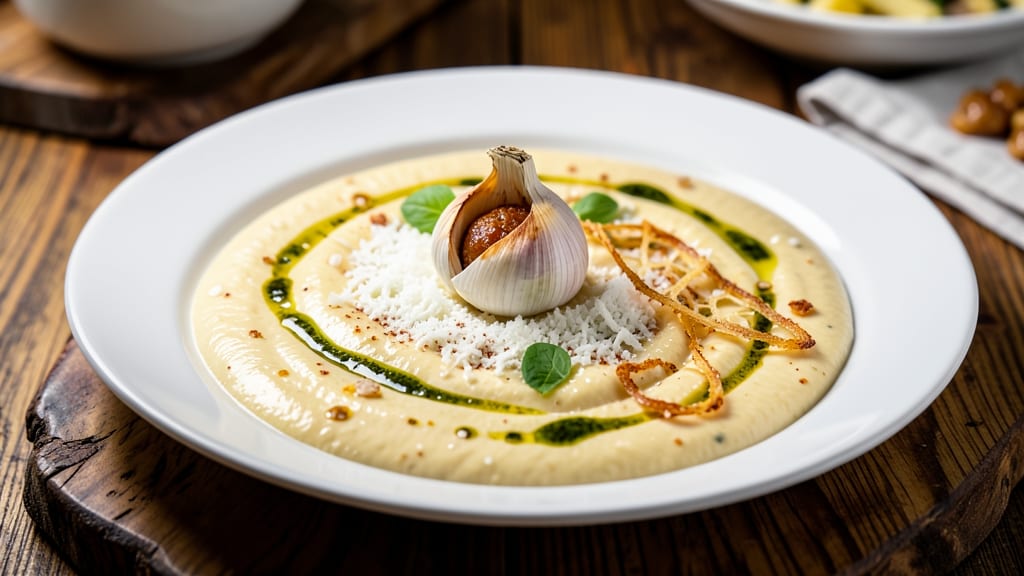
This Italian-style Alfredo sauce transforms simple ingredients into a velvety masterpiece that clings to every strand of fettuccine. The secret lies in tempering the cheese properly and using heavy cream to create that signature silky, rich texture—no lumps, just pure, comforting decadence.
I've perfected this recipe over years of testing, ensuring it delivers restaurant-quality results at home with just five key ingredients.
The foundation starts with high-quality Parmigiano-Reggiano and European-style butter, melted together over gentle heat. A touch of garlic and nutmeg adds depth without overpowering, while the heavy cream creates that luxurious, coating consistency that makes Alfredo sauce unforgettable.
The key technique? Whisking constantly to prevent curdling and letting the sauce simmer until it thickens naturally.
What you'll end up with is a sauce so creamy it practically melts in your mouth—golden, aromatic, and perfectly balanced between rich and tangy. It's the kind of sauce that elevates simple pasta into a luxurious meal, or turns a basic chicken dish into something restaurant-worthy.
The best part? It comes together in just 15 minutes with minimal effort.
Pair this sauce with fettuccine, chicken parmesan, or even grilled vegetables for a meal that feels indulgent yet remains approachable. The instructions will guide you through every step to ensure a smooth, lump-free finish. Let's create the perfect Alfredo sauce together.
Ingredients for alfredo sauce recipe italian style
Five essential ingredients create restaurant-quality Alfredo sauce with velvety texture and Parmesan depth.
| Ingredient | Amount | Notes |
|---|---|---|
| Parmigiano-Reggiano Cheese 🧀 | 1 ½ cups | Freshly grated from block, not pre-shredded |
| Heavy Cream 🥛 | 1 ½ cups | Full-fat for optimal richness |
| European-Style Butter 🧈 | ½ cup | 82% fat content preferred |
| Garlic Cloves 🧄 | 2 whole | Minced for aromatic depth |
| Ground Nutmeg 🌿 | ¼ tsp | Freshly grated preferred |
| Extra-Virgin Olive Oil 🫒 | 1 tbsp | For initial sauce emulsification |
| Diamond Crystal Kosher Salt 🧂 | ½ tsp | Adjust to taste after sauce cools |
| Black Peppercorns 🌶️ | ¼ tsp | Freshly cracked for brightness |
The Parmigiano-Reggiano is non-negotiable—imported blocks from Italy (like Sella & Mosca) deliver the authentic, granular texture that pre-shredded simply can't match. For the heavy cream, Hormel or Organic Valley full-fat options work best, as reduced-fat versions curdle more easily. European-style butter adds a subtle richness—Plugrá or President brands are excellent choices. Garlic should be freshly minced (not jarred) for maximum flavor impact, and nutmeg must be freshly grated for that warm, aromatic punch. Whole Foods or specialty Italian markets typically carry the best quality for these ingredients.
No Parmigiano-Reggiano? Pecorino Romano works in a pinch, though it has a sharper bite. Heavy cream unavailable? Full-fat coconut milk creates a dairy-free alternative (though texture differs slightly). For nutmeg, mace can substitute at half the amount, though it lacks the same depth. The olive oil serves as an emulsifier—avoid strong-flavored varieties like peppery Italian oils, as they'll overpower the delicate sauce. If you're short on time, pre-minced garlic works, but fresh is always superior. The salt and pepper should be added last to balance the sauce's natural richness.
This sauce thickens as it cools, so avoid over-simmering—it should coat the back of a spoon but remain pourable. For best results, reheat gently on low heat with a splash of warm water or pasta water to restore creaminess. Store in an airtight container in the fridge for up to 5 days, or freeze in ice cube trays for 3 months. The sauce freezes beautifully—just thaw in the fridge overnight for optimal texture. For restaurant-quality results, temper the cheese by melting butter first, then gradually whisking in the Parm to prevent clumping.
Why You'll Love This Recipe
- No-Fuss Simplicity: I swear by this recipe because it’s the kind of sauce I can make while half-listening to a podcast. Just melt butter, toast garlic until fragrant, whisk in cream, then fold in that glorious Parmigiano-Reggiano—no roux, no stress. The heavy cream thickens effortlessly, and the nutmeg adds depth without extra steps.
- Rich, Unapologetic Taste: Between us, store-bought Alfredo pales in comparison. The real deal here is the European-style butter and aged Parmigiano-Reggiano—creamy, nutty, with a sharp finish that makes your taste buds sit up. That first bite of fettuccine coated in this sauce? It’s like a warm hug for your palate.
- Weeknight to Dinner Party: This sauce works just as well for a lazy Tuesday pasta night as it does for impressing guests. Double the batch, freeze half, and you’ve got a backup for when you’re too tired to cook. Honestly, I’ve served it over roasted chicken, grilled shrimp, and even mashed potatoes—it’s that versatile.
- Leftovers That Don’t Suck: Unlike some sauces that turn gluey when reheated, this one stays silky smooth. I’ll make a big pot, store it in the fridge, and reheat portions with a splash of milk or cream—no lumps, no fuss. Plus, the Parmigiano-Reggiano adds a little extra richness each time, so leftovers feel like a treat, not a chore.
Step-by-step instructions for Italian-style Alfredo sauce
Master this classic Roman technique for a sauce so rich it clings perfectly to fettuccine.
Infuse the Base with Garlic and Olive Oil
Heat the 1 tablespoon extra-virgin olive oil in a medium saucepan over medium-low heat. Add the 2 whole minced garlic cloves and cook for 1-2 minutes until fragrant but not browned. This gentle cooking prevents bitterness while building aromatic depth.
I like to use a light hand with garlic here—just enough to perfume the sauce without overpowering the cheese. If you see the garlic turning golden, remove the pan from heat immediately. The goal is subtle garlic flavor, not a bold punch.
Melt Butter and Add Cream
Increase heat to medium and add the ½ cup European-style butter, stirring constantly until completely melted. Pour in the 1½ cups heavy cream and bring to a gentle simmer over medium heat. The mixture should bubble softly at the edges but not boil vigorously.
Simmer for 3-4 minutes until the cream begins to thicken slightly. You'll notice the sauce take on a glossy sheen—this indicates proper emulsification. If you see any skin forming on the surface, gently stir it back into the cream to maintain even cooking.
Incorporate Cheese Gradually
Reduce heat to low and begin adding the 1½ cups freshly grated Parmigiano-Reggiano in small increments. I find it works best to add about ¼ cup at a time, whisking vigorously after each addition. This gradual approach prevents clumping and ensures a smooth, velvety texture.
The cheese should melt completely into the cream, creating a thick, luxurious sauce. If you notice any lumps forming, strain the sauce through a fine-mesh sieve for absolute silkiness. This is where the magic happens—the Parmigiano-Reggiano's natural enzymes create that signature creamy consistency without curdling.
Season and Perfect the Texture
Add the ½ teaspoon Diamond Crystal kosher salt, ¼ teaspoon freshly cracked black peppercorns, and ¼ teaspoon freshly grated nutmeg. Stir constantly for 1-2 minutes until the seasonings are fully incorporated and the sauce reaches your desired consistency.
For an extra-luxurious finish, I like to remove the sauce from heat and let it sit for 2-3 minutes before serving. This resting period allows the flavors to meld completely. If the sauce thickens too much while resting, simply whisk in 1-2 tablespoons of warm water to restore the perfect silky texture.
Pro Tips For Making Alfredo Sauce Recipe Italian Style
- Bloom the Garlic: Toss your peeled garlic cloves into the butter whole and let them sizzle on medium-low for 3-4 minutes until fragrant but not browned. I learned this the hard way—crushed garlic burns before the cream even hits the pan, and that bitter taste ruins everything.
- Grate the Cheese Fresh: Skip the pre-grated Parmigiano-Reggiano—it’s full of anti-caking agents that make the sauce grainy and dull. Use a microplane or fine grater right before adding it to the sauce, and save the leftover cheese for sprinkling later.
- Temper the Cream: Warm the heavy cream in a separate saucepan until it’s steaming (not boiling), then whisk it into the butter-garlic mixture gradually. Dumping cold cream into hot butter makes the sauce split like a bad soufflé, and nobody wants to fix that mid-party.
- Nutmeg Sparingly: A pinch—literally, the tip of a knife—of freshly grated nutmeg is enough. Too much turns your creamy sauce into a dessert, and the flavor gets lost in the richness. Taste as you go; you can always add more, but you can’t take it out.
Pro cooking tips for this recipe
Cheese Tempering Technique
The secret to a lump-free Alfredo sauce lies in tempering the cheese—never add it all at once! Start by melting the ½ cup European-style butter over medium heat until fully liquid.
Then, gradually whisk in the 1½ cups freshly grated Parmigiano-Reggiano in ¼-cup increments, allowing each addition to fully incorporate before adding more. This method prevents clumping by letting the cheese melt gradually into the warm cream base. 🧀
Low-and-Slow Simmering
Never bring your Alfredo sauce to a full boil—gentle heat is key! Simmer the cream over medium-low heat for 3-4 minutes until it thickens slightly and develops a glossy sheen. Boiling causes the cream to separate and the sauce to curdle.
If you see skin forming on the surface, gently break it up with a whisk to maintain even cooking. Patience here ensures that signature velvety texture.
Emulsification Trick
For an extra-smooth sauce, add 1 tablespoon extra-virgin olive oil at the beginning. The oil acts as an emulsifier, helping the fat and water components bind together more effectively. This is especially useful if you're using a lower-fat cream or if the sauce threatens to separate.
Stir the oil into the melted butter before adding the cream for best results.
Resting for Perfection
After removing the sauce from heat, let it rest for 2-3 minutes before serving. This resting period allows the flavors to meld completely and the sauce to thicken naturally.
If it becomes too thick, simply whisk in 1-2 tablespoons of warm water or pasta water to restore the perfect silky consistency. Trust me, this small step makes all the difference in the final texture.
Garlic Control
Garlic is aromatic but can quickly turn bitter if overcooked. Sauté the 2 minced garlic cloves in olive oil over medium-low heat for just 1-2 minutes until fragrant but not golden. Remove the pan from heat immediately if you see any browning.
The goal is to infuse the sauce with garlic's sweet, mellow flavor without introducing any harsh, bitter notes that would overpower the delicate cheese base.
Equipment Essentials
Use a medium saucepan with sloped sides—this shape helps prevent splattering and makes whisking easier. A balloon whisk is ideal for incorporating the cheese smoothly, while a fine-mesh sieve comes in handy if you encounter any lumps.
For best results, I recommend using a stainless steel saucepan—it conducts heat evenly and won't react with acidic ingredients. 🍳
Nutrition facts
Frequently asked questions
Can I substitute heavy cream with something lighter?
For a lighter version, use half-and-half combined with 2 tablespoons of cream cheese to maintain creaminess. However, the texture will be slightly less rich. Never use milk—it will curdle immediately when mixed with cheese. For a dairy-free option, coconut milk works but may require extra thickening with cornstarch.
Why did my sauce get grainy or clumpy?
This happens when cheese is added too quickly or the heat is too high. Always add cheese in ¼-cup increments while whisking constantly over low heat. If lumps appear, strain the sauce through a fine-mesh sieve. For prevention, melt the butter first, then gradually whisk in warm cream before adding cheese.
How do I make this sauce ahead of time?
Prepare the sauce up to 1 day in advance and store it in an airtight container in the fridge. Reheat gently over low heat, stirring frequently, and add 1-2 tablespoons of warm water or pasta water to restore creaminess. For longer storage, freeze in ice cube trays—thaw overnight in the fridge before using.
What's the best pasta to pair with this sauce?
Fettuccine is the classic choice, but tagliatelle or pappardelle also work beautifully. For extra texture, try chicken parmesan or grilled vegetables. Avoid thick, dense pastas like penne—they won't absorb the sauce as well. The key is to use a pasta with a flat surface to maximize sauce adhesion.
Can I make this sauce without garlic?
Yes! While garlic adds depth, it's not essential. Simply omit the 2 minced garlic cloves and increase the nutmeg to ½ teaspoon for warmth. The sauce will still be rich and creamy, though slightly more subtle. For a different flavor profile, try adding a pinch of onion powder instead.