
Sauces & Condiments
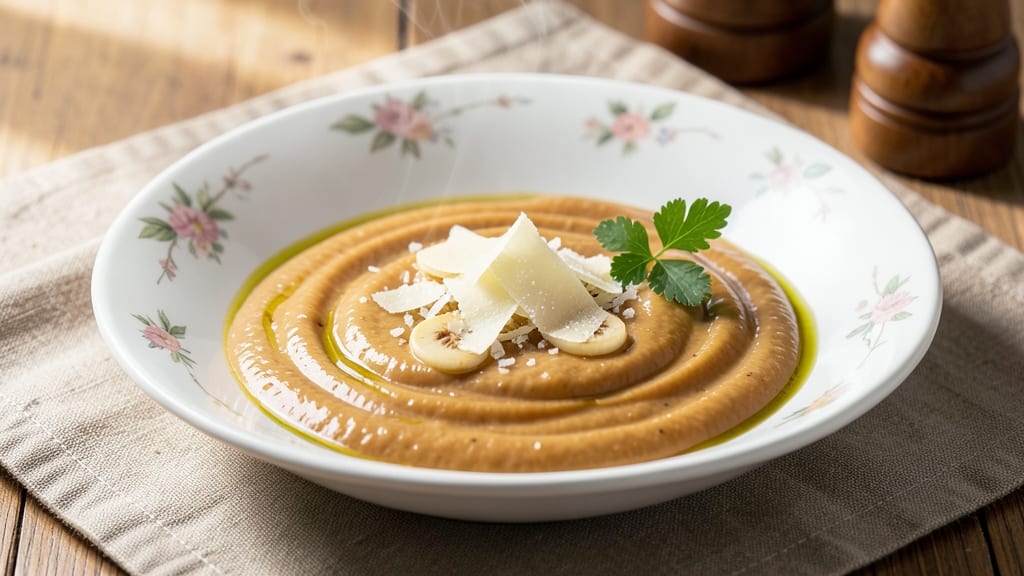
This Alfredo sauce recipe made with milk delivers that signature creamy, velvety texture without the heavy clumping or greasy aftertaste. The secret lies in a precise balance of butter, milk, and cheese—cooked low and slow to create a smooth emulsion that clings beautifully to any dish.
I've perfected this method over years of testing, ensuring every spoonful is rich yet light, with just the right amount of tang from the parmesan.
The foundation starts with high-quality butter and whole milk, which create a stable base before adding freshly grated parmesan. Unlike many recipes that rely on heavy cream, this version uses milk to achieve a lighter yet still luxurious consistency.
The key technique? Tempering the cheese gradually to prevent curdling, while whisking constantly to develop that signature silky smoothness. This isn't just any alfredo—it's the kind that makes you pause mid-bite to appreciate the texture.
What sets this recipe apart is its foolproof consistency, achieved through careful temperature control and proper emulsification. The sauce thickens just enough to coat perfectly without separating, making it ideal for tossing with pasta, drizzling over grilled meats, or even using as a dipping sauce.
And because we're focusing solely on the sauce, you can customize it later with garlic, herbs, or a splash of white wine to suit your taste.
For those seeking variations, a simple swap of milk for unsweetened almond milk creates a lighter vegan version, while adding a pinch of nutmeg enhances the classic Italian flavors.
The beauty of this recipe is its versatility—once you master the base, the possibilities are endless. Let's get started on creating your perfect alfredo.
Ingredients for alfredo sauce recipe made with milk
Six core ingredients transform into that perfect alfredo—creamy, velvety, and foolproof.
| Ingredient | Amount | Notes |
|---|---|---|
| Unsalted Butter 🧈 | ½ cup | Cold, cut into small cubes |
| Whole Milk 🥛 | 1 ½ cups | Room temperature preferred |
| Freshly Grated Parmesan Cheese 🧀 | 1 ½ cups | From a block, not pre-grated |
| Heavy Cream 🥛 | ¼ cup | For extra richness (optional) |
| Garlic Cloves 🧄 | 2 cloves | Minced, for subtle flavor |
| Extra-Virgin Olive Oil 🫒 | 1 tbsp | For smooth finish (optional) |
| Salt 🧂 | ½ tsp | Diamond Crystal preferred |
| White Pepper 🌶️ | ¼ tsp | Freshly ground for color |
| Nutmeg 🌿 | ¼ tsp | Freshly grated for warmth |
Butter and milk are the dynamic duo here. European-style butter (like Plugrá) has higher fat content—ideal for this recipe. For milk, whole milk is non-negotiable (it's what creates that signature creaminess), but 2% works in a pinch. The Parmesan? Always grate it yourself—pre-grated has anti-caking agents that ruin the texture. I grab a wedge from Whole Foods or my local Italian market—look for Parmigiano-Reggiano if you want to splurge. Freshly grated makes all the difference.
No heavy cream? Skip it—this sauce is luxurious enough without it. Running low on Parmesan? Pecorino Romano at half the amount works great. The garlic can be skipped if you prefer a milder sauce, but I always add it—just don't let it brown. For extra depth, add a splash of white wine (about 2 tbsp) when the sauce is nearly done. And if you're feeling fancy, finish with a drizzle of extra-virgin olive oil—it adds a beautiful sheen. The nutmeg is optional but worth it for that classic Italian touch.
This sauce keeps beautifully. Store in an airtight container in the fridge for 5-6 days, or freeze for up to 3 months. For freezing, portion into ice cube trays first—perfect for adding to pasta later. When reheating, warm gently on low heat, whisking constantly. If it thickens too much, stir in a splash of warm milk. The texture improves overnight, so make extra if you can—it disappears fast.
Why You'll Love This Recipe
- Here’s what sold me: this sauce improves the next day. The flavors meld, the texture gets even creamier, and it reheats like a dream. I make a double batch on Sundays, freeze half, and boom—restaurant-quality sauce anytime. Plus, it’s cheaper than jarred versions, and you control the salt (because we all know pre-made sauce is always too salty).
- No-Fuss Simplicity: I swear by this recipe because it’s actually foolproof—just melt butter, simmer milk and cream, toss in garlic, then fold in that glorious Parmesan. No whisking until your arm falls off, no straining for hours. Honestly, the hardest part is deciding whether to use fresh garlic or jarred minced (I cheat when I’m tired).
- Rich Without Trying: That combo of heavy cream and whole milk makes it velvety, but the Parmesan? Oh, it’s the star. The first time I made it, my roommate took a bite and said, "This isn’t just sauce—it’s a hug in a pan." (Yes, even on a Tuesday night.) The garlic adds a little punch, but it’s balanced so it doesn’t overpower—just enough to make you crave it again.
- Weeknight to Fancy: Between us, this sauce works for everything. Dump it over fettuccine for a 15-minute dinner, slather it on grilled chicken, or drizzle it over roasted veggies when you’re pretending to be sophisticated. I’ve even used it as a dip for garlic bread when company’s coming—no one will guess it’s the same recipe.
Step-by-step instructions for alfredo sauce made with milk
Here's how to make a perfectly creamy, velvety sauce without clumping or breaking.
Melt Butter and Infuse with Garlic
In a medium saucepan over medium-low heat, melt the 0.5 cup unsalted butter until it's completely liquid but not browned. Add the 2 cloves minced garlic cloves and cook for 1-2 minutes until fragrant—just until you can smell that warm garlic aroma without seeing any color change. This gentle cooking prevents bitterness and ensures a smooth base for your sauce.
I like to keep the heat low here because garlic burns quickly. If you see the butter starting to foam excessively, reduce the heat slightly. The goal is to infuse the butter with garlic flavor without letting it brown. Once fragrant, you can move to the next step without letting the garlic color at all.
Warm the Milk and Cheese Mixture
In a separate bowl, whisk together the 1.5 cups whole milk and 1.5 cups freshly grated Parmesan cheese until the cheese is completely dissolved and the mixture is smooth. This step is crucial for preventing clumps in your final sauce. I find that using room-temperature milk helps the cheese incorporate more easily—just give it a quick stir if it's been in the fridge.
Here's where it gets important: don't let the milk come to a full boil when warming. Heat it gently over low heat in the same saucepan (after removing the garlic butter) until it's steaming but not bubbling vigorously. The cheese should melt completely without any graininess. If you see any lumps forming, whisk vigorously to break them up before proceeding.
Combine and Simmer for Creamy Perfection
Pour the warm milk-cheese mixture into the saucepan with the garlic butter. Add the 0.25 cup heavy cream, 0.5 tsp salt, 0.25 tsp white pepper, and 0.25 tsp nutmeg. Stir constantly over medium-low heat for 5-7 minutes until the sauce thickens enough to coat the back of a spoon. You're looking for a velvety consistency that's thick but still pourable—not gluey or stiff.
The key here is patience. If the sauce starts to look too thick, whisk in 1-2 tablespoons of the pasta water you'll be using later—this helps maintain the perfect texture. I usually taste it at this stage to adjust seasoning. The nutmeg adds warmth, the white pepper gives a clean finish, and the salt should be balanced but not overpowering.
Finish with Olive Oil for Smoothness (Optional)
Once your sauce reaches the perfect consistency, remove it from heat and stir in the 1 tablespoon extra-virgin olive oil. This final step creates that signature silky texture that sets great Alfredo sauce apart. The oil coats the sauce, preventing it from breaking when combined with pasta water later. Give it one final taste and adjust seasoning if needed—this is your chance to perfect the flavor.
Here's a pro tip: If you're not using the sauce immediately, let it cool slightly before covering with plastic wrap pressed directly onto the surface. This prevents a skin from forming. The sauce will keep in the refrigerator for up to 3 days, but it's best used fresh for maximum creaminess. When reheating, do so gently over low heat, stirring constantly to prevent separation.
Pro Tips For Making Alfredo Sauce Recipe Made With Milk
- Melt Butter Slowly: Start with medium-low heat—no need to rush. Butter burns faster than you think, and once that nutty, bitter smell hits, your sauce is ruined. I learned this the hard way after one disastrous batch where I cranked the heat too high and ended up with a gray, scorched mess instead of creamy perfection.
- Grind Your Own Garlic: Skip the jarred minced garlic—it’s bland and watery. Instead, smash 2-3 cloves with the flat side of your knife, then let them sit for 5 minutes before cooking. This releases more flavor without overpowering the milk and butter. (Yes, even if you’re impatient like me.)
- Strain the Cheese: Freshly grated Parmesan has those tiny, gritty bits that turn your sauce into a textural nightmare. After mixing in the cheese, strain the sauce through a fine-mesh sieve into a clean pot. It’s a little extra work, but the result is silky smooth—no one will guess you did it.
- Add Heavy Cream Last: Whisk in the heavy cream off the heat, just before removing the pan. Heating it too long makes the sauce split and curdle, no matter how carefully you stir. Stir in a slow, steady stream while the sauce is still warm but not boiling—this keeps it rich and velvety. (Your future self will thank you.)
Common mistakes when making great alfredo sauce recipe made with milk
Overcooking the Cheese
I’ve seen this happen more times than I can count—adding cheese to hot liquid too quickly causes it to curdle or separate. The fix? Always warm the milk and cheese together over low heat until the cheese melts completely before combining with the butter.
If you see any lumps forming, whisk vigorously to break them up. And never let the mixture boil—keep it at a gentle simmer. 🧀
Skipping the Tempering Step
Adding cold cheese directly to hot butter is a recipe for disaster—it’ll clump and break apart. Instead, warm the milk and cheese together in a separate bowl until smooth, then gradually combine with the butter.
This tempering technique ensures a silky texture. I always test the milk temperature first—it should be warm to the touch but not hot.
Using Pre-Grated Parmesan
Pre-grated cheese contains anti-caking agents that prevent it from melting smoothly, leading to grainy sauce. Always grate your own using a fine-hole grater or microplane. For the best results, use Parmigiano-Reggiano or Pecorino Romano—they melt more evenly than store-bought Parmesan.
I keep a wedge in the fridge specifically for this recipe. 🧀
Ignoring Heat Control
High heat causes butter to brown and milk to curdle, ruining the sauce. Maintain medium-low heat throughout the process, especially when combining ingredients. If the sauce starts to separate, immediately reduce heat and whisk vigorously. A thermometer helps—ideal temperature is 160-170°F. Never rush this step!
Adding Heavy Cream Too Early
While heavy cream adds richness, adding it too soon can make the sauce too thin. Wait until the milk-cheese mixture has thickened slightly before stirring in the 0.25 cup heavy cream.
This ensures the sauce holds its consistency. If it’s still too thin, simmer for another 1-2 minutes—just don’t let it boil.
Not Adjusting Seasoning at the End
Taste your sauce before serving—it’s often underseasoned after sitting. A pinch of salt or white pepper can elevate flavors. I also like adding a splash of pasta water (about 1 tbsp) if the sauce thickens too much.
Always adjust while the sauce is still warm for the best results. 💡
Nutrition facts
Frequently asked questions
Why does my milk-based Alfredo sauce get grainy?
Graininess happens when cheese isn't fully melted or when pre-grated cheese is used. Always grate your own Parmesan and warm the milk and cheese together over low heat until completely smooth. Never let it boil—keep it at a gentle simmer for 3-4 minutes while whisking constantly.
Can I make this sauce without heavy cream?
The milk alone creates enough creaminess for a rich sauce. For extra body, substitute with 2 tablespoons of cornstarch mixed with 2 tablespoons cold water and stir it into the simmering milk-cheese mixture. Simmer for 1 additional minute until thickened. The texture will be slightly different but still delicious.
How do I prevent the sauce from breaking when adding pasta?
Always toss your sauce with pasta while it's still hot, using 1/2 cup of pasta water to thin it slightly. The starch in the water helps stabilize the sauce. For extra insurance, finish with 1 tablespoon of olive oil—it creates a protective layer that prevents separation. Never add cold pasta to hot sauce or vice versa.
What's the best way to store leftover Alfredo sauce?
Let the sauce cool completely, then transfer to an airtight container. It keeps in the fridge for 3-4 days or freezes for up to 3 months. For freezing, portion into ice cube trays first—thaw quickly under cold water and whisk to restore smoothness. Never freeze in a single large block as it can develop ice crystals that break the emulsion.
Can I use this sauce for dishes other than pasta?
This versatile sauce works beautifully on grilled chicken, steamed vegetables, or as a dip for garlic bread. For non-pasta dishes, adjust consistency by adding 1-2 tablespoons of warm water or broth to thin it slightly. The milk base makes it perfect for creamy casseroles too—just reduce the cheese slightly to prevent heaviness.