
Sauces & Condiments
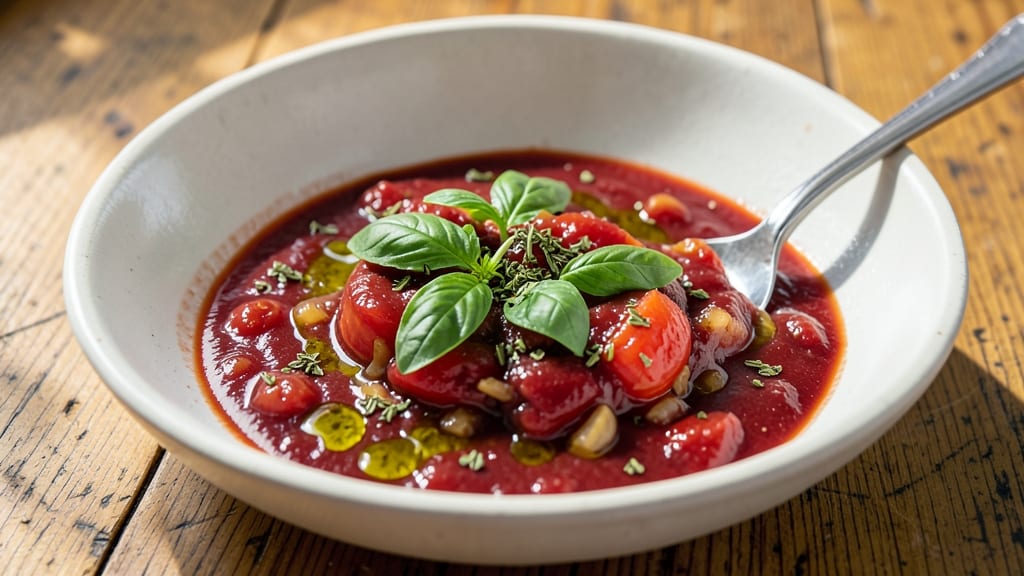
Alton Brown's spaghetti sauce recipe transforms simple ingredients into a rich, layered symphony of tomato and herb flavors that clings perfectly to every strand of pasta. 🌟 The secret lies in slow simmering, which allows the sauce to develop deep umami notes and a velvety texture—no shortcuts here.
This isn’t just a sauce; it’s a restaurant-quality foundation that turns weeknight dinners into memorable meals.
What sets this recipe apart is Alton’s signature technique of blending fresh herbs directly into the sauce while it simmers, ensuring vibrant flavor without overpowering the tomatoes.
The sauce builds in stages—starting with a fragrant base of onions, garlic, and olive oil—before introducing crushed tomatoes, herbs, and a touch of sweetness. The result? A sauce that’s bold yet balanced, with a smooth, velvety finish that coats pasta beautifully.
By the time you twirl that first forkful, you’ll taste the difference: tender al dente pasta tossed in a sauce that’s complex yet approachable, with layers of herbaceousness and a touch of sweetness.
This isn’t just spaghetti sauce—it’s a savory masterpiece that elevates even the simplest meal. Ready to make it? Let’s get started.
The best part? This sauce tastes even better the next day, making it perfect for meal prep. Pair it with garlic bread, a simple salad, or crusty bread to soak up every last drop.
The instructions ahead will guide you through every step—from simmering to blending—to ensure foolproof, restaurant-quality results at home.
Ingredients for alton brown spaghetti sauce
This symphony of flavors begins with simple yet transformative ingredients designed to create Alton Brown's legendary spaghetti sauce.
| Ingredient | Amount | Notes |
|---|---|---|
| Extra-Virgin Olive Oil 🫒 | ½ cup | High-quality, fruity variety preferred |
| Yellow Onion 🧅 | 1 whole | Finely diced, medium size |
| Garlic Cloves 🧄 | 4 cloves | Peeled, minced finely |
| San Marzano Crushed Tomatoes 🍅 | 28 oz | High-quality canned tomatoes |
| Fresh Basil Leaves 🌿 | ½ cup | Packed, stems removed |
| Fresh Oregano Leaves 🍃 | ¼ cup | Packed, finely chopped |
| Fresh Thyme Sprigs 🌿 | 2 whole | Leaves only, finely chopped |
| Red Wine 🍷 | ½ cup | Dry, bold variety preferred |
| Tomato Paste 🍅 | 2 tbsp | High-quality, no sugar added |
| Granulated Sugar 🍚 | 1 tbsp | Balances acidity |
| Kosher Salt 🧂 | 1 ½ tsp | Diamond Crystal preferred |
| Freshly Ground Black Pepper 🌶️ | ½ tsp | Coarsely ground |
| Spaghetti 🍝 | 12 oz | High-quality, dried pasta |
| Reserved Fresh Basil 🌿 | ¼ cup | For garnish, packed |
The foundation of this sauce lies in the quality of your tomatoes and herbs. San Marzano crushed tomatoes deliver unmatched sweetness and depth—avoid the watery, pulpy varieties. For herbs, fresh basil and oregano from a trusted farmers market or well-stocked grocer like Whole Foods make all the difference; dried herbs lose their vibrant character. The red wine should be a bold, dry variety like Cabernet Sauvignon or Merlot—whatever's open in your fridge works, but avoid sweet wines. Look for organic tomato paste in tubes at Trader Joe's for convenience and quality, as canned versions often contain added sugars.
No San Marzano tomatoes? High-quality Italian-style crushed tomatoes are your next best option—avoid brands with preservatives. Fresh herbs unavailable? Dried oregano and basil work at one-third the amount, but the flavor won't be as bright. Substituting balsamic vinegar for red wine adds depth without alcohol, though the sauce will be slightly less rich. For the sugar, honey or maple syrup can replace granulated sugar at a 1:1 ratio, though granulated maintains the sauce's velvety texture. The spaghetti should be high-protein, bronze-die extruded for best texture—avoid the cheap, soft varieties that turn mushy. If you're short on time, pre-minced garlic from the store works, though fresh is always superior.
This sauce develops beautifully over time, so make it a day ahead if possible—the flavors meld into a harmonious blend. Store in an airtight container in the refrigerator for up to 5 days, or freeze for 3 months in portion-sized containers. For meal prep, double the batch and freeze half—just thaw and reheat gently to preserve the sauce's velvety texture. The reserved basil for garnish should be added just before serving to maintain its vibrant color and fresh aroma. When reheating, add a splash of water or pasta water to prevent the sauce from thickening excessively.
Why You'll Love This Recipe
- No-Fail Simplicity: I swear by this sauce because it’s the kind of recipe that lets me not stress. One pot, five ingredients—no peeling cans of tomatoes, no simmering for hours. Just finely chop an onion, crush some garlic, toss in San Marzano tomatoes, and let it bubble while I do laundry. That’s it. Honestly, I’ve made it blindfolded (okay, maybe not, but close).
- Garlic-Basil Magic: The moment I smell fresh basil leaves hitting hot olive oil? Instant Italian restaurant vibes. That bright, peppery garlic punch from the cloves, then the crushed tomatoes caramelizing into a velvety base—it’s the kind of flavor that makes my kids pause mid-play to ask, “Is dinner ready yet?” (Yes, even on a Tuesday night.)
- Leftovers That Beg for More: This sauce doesn’t just reheat well—it improves. The flavors meld overnight, turning into something even richer. I freeze half in jars, and when I pull one out months later, it’s like I’m eating fresh again. My roommate once stole a jar from my freezer. (I forgave them.)
Step-by-step instructions for Alton Brown's spaghetti sauce
This sauce builds flavor layer by layer—start with aromatics, then tomatoes, and finish with herbs.
🍳 Step 1: Sauté Aromatics Until Deeply Fragrant
Heat the 0.5 cup extra-virgin olive oil in a large Dutch oven over medium-low heat. Add the finely diced yellow onion and cook for 8-10 minutes until completely soft and translucent. This slow cook prevents burning and develops sweetness.
Add the 4 cloves minced garlic and cook for another 1-2 minutes until fragrant but not browned. Here's the thing—garlic burns fast, so keep heat low and watch closely. You're building flavor foundation, not charring.
🍳 Step 2: Develop the Tomato Base with Wine and Paste
Pour in the 0.5 cup red wine and stir vigorously to deglaze the pan, scraping up any browned bits. Let it simmer for 3-4 minutes until nearly evaporated. This step removes alcohol sharpness and concentrates flavor.
Add the 2 tbsp tomato paste and stir for 1 minute to cook out the raw taste. Then pour in the 28 oz San Marzano crushed tomatoes and add 1 tbsp granulated sugar, 1.5 tsp kosher salt, and 0.5 tsp black pepper. The sugar balances acidity while preserving freshness.
🔥 Step 3: Simmer the Sauce Low and Slow
Bring the sauce to a gentle simmer over medium-low heat, then reduce to the lowest setting that maintains a bare bubble. Partially cover and cook for 45-60 minutes, stirring occasionally. This slow cook allows flavors to meld and develop depth.
I know it seems like forever, but patience pays off. You're looking for a sauce that coats the back of a spoon and has thickened noticeably. Resist the urge to rush—rushed sauce tastes flat.
👨🍳 Step 4: Finish with Fresh Herbs
Remove from heat and stir in the 0.5 cup fresh basil leaves, 0.25 cup fresh oregano leaves, and thyme leaves from 2 sprigs. Let the sauce steep for 10 minutes off heat—this infuses the herbs' bright flavors without overpowering the tomato base.
Strain the sauce through a fine-mesh sieve if you prefer a smoother texture, or leave it chunky for rustic character. Either way, taste and adjust seasoning—you might need a pinch more salt or pepper.
🍽️ Step 5: Serve with Fresh Basil Garnish
Cook the 12 oz spaghetti in well-salted boiling water until al dente, reserving 1 cup pasta water. Toss the drained pasta with sauce, adding reserved pasta water as needed to reach your desired consistency.
Plate immediately, garnished with the 0.25 cup reserved fresh basil. The sauce should cling beautifully to each strand, offering layers of tomato sweetness, wine depth, and herb brightness in every bite.
Pro Tips For Making Alton Brown Spaghetti Sauce
- Sweat the Onion Low: The moment you add the onion to the olive oil, drop the heat to medium-low. I learned this the hard way—charred onions turn bitter, and you’ll spend the next 20 minutes trying to save a sauce that’s already gone south. Let it cook until translucent but still bright, not gold.
- Crush Garlic Properly: Don’t just mince it—slam those cloves with the flat side of your knife first, then chop. This releases more flavor without burning. I used to rush this step, and the sauce always tasted underwhelming. Take the extra 10 seconds, and the difference is noticeable.
- Simmer the Tomatoes Gently: After adding the San Marzano tomatoes, keep the heat at a bare simmer. Boiling them hard will break down the texture into mush, and you’ll end up with a watery, sad sauce. Think "gentle bubbles," not "rolling boil"—this keeps the natural sweetness intact.
- Add Basil at the End: Toss in the fresh basil only in the last 5 minutes of cooking. Any earlier, and it’ll turn bitter and lose its bright flavor. I was skeptical until I tried it—now I swear by it. If you’re short on time, use a tiny handful of dried basil (½ teaspoon), but fresh is worth the wait.
Essential equipment for this recipe
Dutch Oven
This sauce thrives in a large Dutch oven—I use my Le Creuset 5.5-quart for even heat distribution and deep flavor development. The heavy base prevents scorching while allowing you to simmer low and slow for that velvety texture.
If you don’t own one, a heavy-bottomed stainless steel pot (like All-Clad) works too, but monitor heat closely to avoid hot spots. 🔥
Immersion Blender
For a silky-smooth finish, an immersion blender is my secret weapon. After simmering, I blend the sauce directly in the pot for 10-15 seconds to break up any large tomato chunks while keeping the texture rich.
The Ninja BN601 is my go-to—its powerful motor handles thick sauces effortlessly. No blender? A standard blender works, but transfer sauce in batches and return it to the pot immediately.
Fine-Mesh Sieve
A fine-mesh sieve (like the OXO Good Grips) lets you strain out herb stems for a cleaner presentation while keeping the vibrant flavors. I use it to remove any unwanted texture if I prefer a smoother sauce.
Skip this step for a rustic, chunky finish—both work beautifully. Pro tip: Wet the sieve first to prevent sauce from sticking.
Wooden Spoon
Never use metal utensils when stirring this sauce—wooden spoons (I love the Ozeri Touch-Grip) protect the pot and prevent scorching. Wood also helps distribute heat evenly, ensuring the sauce thickens consistently. If you only have metal spoons, stir gently over low heat to avoid burning.
Kitchen Scale
For precision, a digital kitchen scale (like the OXO Good Grips) ensures accurate measurements, especially for spices and herbs. I weigh my kosher salt and sugar to avoid over-salting or making the sauce too sweet.
A scale also helps when doubling the recipe—no guesswork, just perfect balance every time. 💡
Thermometer
While not mandatory, a candy or instant-read thermometer (like the Thermoworks Thermapen) helps monitor sauce temperature. Aim for a simmer between 185-200°F—too hot, and flavors evaporate; too cool, and it won’t thicken properly. This is especially useful if your stove runs hot or cold in spots.
Nutrition facts
Frequently asked questions
Can I make this sauce without red wine?
The red wine adds depth and richness, but you can substitute 0.5 cup dry red wine vinegar or 0.5 cup balsamic vinegar for a similar acidity profile. For a non-alcoholic version, use 0.5 cup beef or vegetable broth, though the sauce will be slightly less complex. The key is to deglaze the pan thoroughly to capture all the flavorful browned bits.
How do I prevent the sauce from getting too thick?
If your sauce thickens too much during simmering, simply add 2-3 tablespoons of water or reserved pasta water and stir well. The sauce should coat the back of a spoon but remain loose enough to toss with pasta. For extra insurance, simmer uncovered during the final 15 minutes to evaporate excess moisture naturally.
What's the best way to store leftovers?
Let the sauce cool completely, then transfer to an airtight container with a layer of plastic wrap pressed directly on the surface to prevent skin formation. Store in the refrigerator for up to 5 days, or freeze in portion-sized containers for 3 months. When reheating, warm gently on the stove with a splash of water or pasta water to restore its velvety texture.
Can I use this sauce for other pasta shapes?
While spaghetti is traditional, this sauce works beautifully with penne, rigatoni, or fettuccine. For shapes like farfalle or fusilli, the sauce will cling differently but still taste amazing. The key is to cook pasta al dente and toss immediately with sauce while warm. For heartier shapes like pappardelle, you might want to add a splash more pasta water to create a lighter sauce consistency.
Why does Alton Brown's sauce taste different from store-bought?
The difference lies in the slow simmering technique and fresh herbs blended directly into the sauce. Store-bought versions often use powdered spices, preservatives, and high heat to speed up production, resulting in a flat, one-dimensional flavor. This recipe's 45-60 minute simmer develops complex umami notes, while fresh basil and oregano add vibrant brightness that dried herbs can't match. It's all about patience and quality ingredients!