
Sauces & Condiments
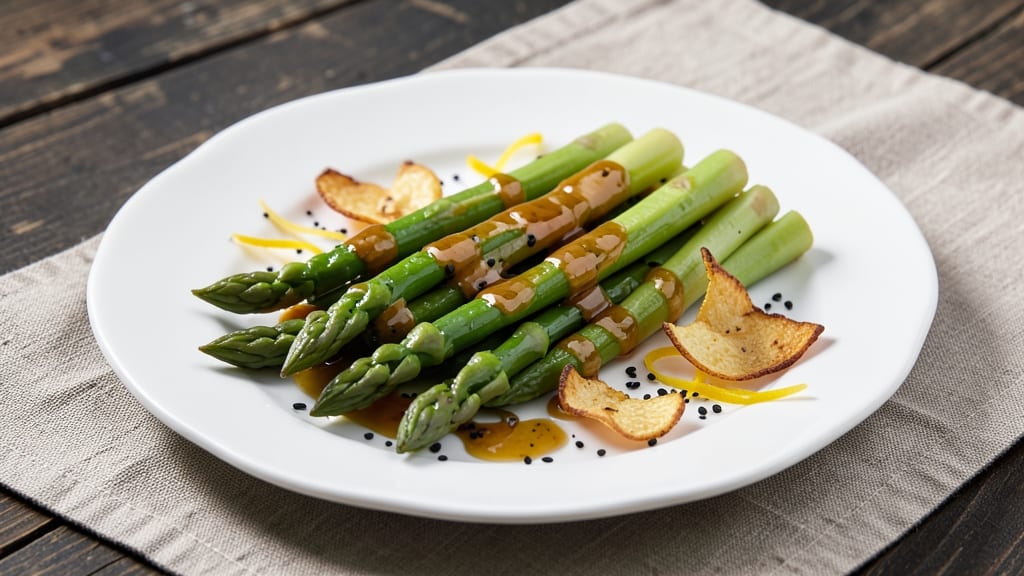
This quick stir-fry transforms asparagus in oyster sauce recipe into a restaurant-worthy dish with just 15 minutes of active time. The secret lies in balancing oyster sauce’s umami richness with the asparagus’s natural sweetness, creating a dish that’s both elegant and effortless.
I developed this recipe after realizing how often asparagus gets overlooked in stir-fries—until you add oyster sauce, it becomes the star.
The technique is simple but precise: blanching the asparagus first preserves its vibrant green color and tender-crisp texture, while the sauce reduction deepens its flavor. A splash of soy sauce and a touch of ginger add complexity, ensuring every bite is packed with depth.
This dish isn’t just quick—it’s foolproof for weeknights or special occasions alike.
What you’ll end up with is bright, glossy asparagus spears coated in a glossy, savory-sweet sauce that clings perfectly. The aroma alone—warm, umami-forward, with a hint of garlic—will have everyone at the table asking for seconds.
Serve it over steamed rice or with a sprinkle of sesame seeds for extra texture.
The best part? This recipe scales effortlessly, whether you’re cooking for two or a crowd. Ready to elevate asparagus in minutes? Let’s get started.
Ingredients for asparagus in oyster sauce
Bright asparagus meets umami depth in this restaurant-inspired stir-fry.
| Ingredient | Amount | Notes |
|---|---|---|
| Fresh Asparagus 🌱 | 1 lb | Medium spears, trimmed ends |
| Oyster Sauce 🍜 | ½ cup | High-quality brand preferred |
| Sesame Oil 🫒 | 1 tbsp | Toasted for aroma |
| Low-Sodium Soy Sauce 🥢 | 1 tbsp | For umami balance |
| Fresh Ginger 🌿 | 1 tbsp | Finely grated, aromatic |
| Garlic Cloves 🧄 | 3 cloves | Minced for depth |
| Vegetable Oil 🫒 | 2 tbsp | High smoke point |
| White Wine 🍷 | ¼ cup | Dry variety preferred |
| Honey 🍯 | 1 tsp | For subtle sweetness |
| Toasted Sesame Seeds 🌾 | 1 tbsp | For garnish |
| Salt 🧂 | ½ tsp | Kosher or sea salt |
| Black Pepper 🌶️ | ¼ tsp | Freshly ground |
| Cooked White Rice 🍚 | 1 ½ cups | Steamed or jasmine |
The asparagus is the star here, so prioritize fresh, firm spears—avoid woody stems or limp ends. Trim the ends at a 45-degree angle for presentation, but more importantly, for even cooking. For the best quality, look for organic asparagus at Whole Foods or your local farmers' market during peak season (spring). The oyster sauce should be high-quality, like Lee Kum Kee or Kikkoman, as cheaper brands can taste overly salty or thin. If using frozen asparagus, thaw and pat completely dry before cooking to prevent steaming instead of searing.
No oyster sauce? Soy sauce plus a splash of fish sauce (1 tsp each) mimics the umami, though the texture won’t be identical. Substitute white wine with dry vermouth or rice vinegar if needed—just reduce the liquid by half since these are less acidic. Fresh ginger and garlic are non-negotiable for depth, but if you’re short on time, pasteurized ginger or garlic powder (½ tsp each) work in a pinch. For a pescatarian twist, add 1 tbsp chopped scallions or a dash of fish sauce to elevate the umami further. The sesame oil should be toasted, not regular—it adds nutty aroma that regular sesame oil lacks.
Blanched asparagus keeps for 3 days in the fridge, stored in an airtight container with paper towels to absorb moisture. The sauce components (except rice) can be prepped a day ahead and stored separately—just reheat gently before combining. For batch cooking, double the sauce ingredients and freeze in ice cube trays; thaw and reheat as needed. Serve over steamed jasmine rice for optimal texture contrast. The dish reheats beautifully—microwave 1 minute or stovetop 2 minutes on low heat, adding a splash of water to loosen the sauce.
Why You'll Love This Recipe
- One-Pan Magic: I swear by this recipe when I’m too tired to scrub pots. Trim the asparagus, toss it in a hot pan with a splash of sesame oil, and let the oyster sauce do its thing—minimal chopping, zero fuss, and still restaurant-quality.
- Umami Bomb: That first bite? The oyster sauce clings to the asparagus like a flavor hug, while the ginger adds a bright kick. Honestly, the combo of salty-sweet and fresh heat makes this my go-to when I want something that tastes actually good without overcomplicating things.
- Meal Prep MVP: I double the batch on Sundays and store it in the fridge for quick lunches or stir-fry boosters all week. The sauce keeps the asparagus tender, and reheating takes less time than microwaving leftovers—plus, it’s way better than sad takeout.
- Budget-Friendly Luxury: Fresh asparagus can feel fancy, but oyster sauce stretches this into a hearty side for less than $10. Between us, this is how I trick myself into eating veggies without feeling like I’m sacrificing flavor—or my wallet.
Step-by-step instructions for asparagus in oyster sauce
This stir-fry delivers restaurant-quality flavor in under 20 minutes with minimal effort.
Prep the Asparagus and Aromatics
Trim the tough ends from the 1 lb fresh asparagus by snapping them at the natural break points. This creates clean, even spears that cook perfectly. Cut the thicker stalks diagonally into 2-inch pieces for uniform cooking. Peel and finely grate the 1 tbsp fresh ginger using a microplane—this releases maximum aroma without bitterness.
Mince the 3 cloves garlic cloves into a fine paste using the flat side of your knife. The smaller the pieces, the faster they'll infuse flavor into the sauce. Set aside both aromatics—they'll be the flavor foundation of your dish. I always prep all ingredients before cooking to maintain a steady rhythm in the kitchen.
Build the Sauce Base
Heat the 2 tbsp vegetable oil in a large wok or skillet over medium-high heat until shimmering. Add the garlic and ginger, stirring constantly for 30 seconds until fragrant but not browned. This quick cooking prevents the aromatics from burning while extracting their full flavor potential.
Pour in the 0.25 cup white wine and let it simmer for 2 minutes until reduced by half. This deglazes the pan and removes the alcohol's sharpness. Add the 0.5 cup oyster sauce and 1 tbsp low-sodium soy sauce, stirring to combine. The sauce should coat the back of a spoon—if it's too thick, add 1 tablespoon water to reach the right consistency.
Cook the Asparagus to Perfect Tenderness
Add the prepared asparagus in a single layer to the pan. Stir-fry for 2-3 minutes until bright green and just beginning to soften. Avoid overcrowding the pan—this ensures even cooking and prevents steaming instead of searing. The asparagus should maintain its vibrant color with just a hint of blistering on the edges.
Pour in the 1 tsp honey and toss everything together for 30 seconds. The honey adds subtle sweetness that balances the umami depth from the oyster sauce. Taste the sauce and adjust seasoning with the 0.5 tsp salt and 0.25 tsp black pepper if needed. The sauce should be perfectly balanced—savory, slightly sweet, and properly seasoned.
Finish and Serve Over Rice
Drizzle the 1 tbsp sesame oil over the asparagus and toss gently to coat. Remove from heat immediately—the sesame oil's delicate aroma is best preserved when added at the end. Transfer the asparagus to a serving platter and sprinkle with the 1 tbsp toasted sesame seeds for texture contrast.
Serve immediately over the 1.5 cups cooked white rice. The hot asparagus will release its aroma, creating an inviting presentation. Each bite should deliver tender-crisp asparagus with a glossy, umami-rich sauce clinging to every spear. The rice acts as a neutral base that lets the asparagus flavors shine.
Pro Tips For Making Asparagus In Oyster Sauce
- Trim the Tough Ends: Those woody asparagus stems are the enemy of crisp-tender spears. Use a sharp knife to slice off the bottom inch at a 45-degree angle—this exposes more surface area for even cooking and keeps the tips from turning rubbery. (Yes, even if you’re impatient like me, don’t skip this.)
- Blanch First, Sear Second: Start with a quick 30-second blanching in boiling water, then shock in ice water. This stops the cooking process and keeps the spears bright green. When you’re ready to sear, the high heat will finish them perfectly without overcooking the centers.
- Toast the Ginger: Mince that fresh ginger thin—no need for a paste—and dry-toast it in the pan for 30 seconds before adding oil. The nutty aroma deepens the sauce’s complexity, and it prevents the ginger from turning bitter. (I learned this the hard way after one batch tasted like a spa foot soak.)
- Finish with Sesame Oil: Don’t drown the asparagus in sauce—add just enough oyster sauce and soy to coat the spears lightly. Toss in the sesame oil at the very end over low heat, off the direct flame. This keeps the aroma intact and adds that signature nutty punch without burning it off. (Your future self will thank you.)
Dietary considerations for this recipe
Pescatarian-Friendly
This dish is naturally pescatarian since oyster sauce is derived from seafood but doesn’t require additional meat. The umami depth comes from the sauce itself, so no pork or poultry is needed.
For extra seafood flavor, add ½ cup sliced shrimp or 1 cup cooked scallops in the final 2 minutes of cooking. They’ll absorb the sauce beautifully while staying tender. 🌊
Gluten-Free Adaptation
Oyster sauce often contains wheat, so check your brand—Lee Kum Kee makes a gluten-free version. If unavailable, substitute with ½ cup coconut aminos plus 1 tsp fish sauce for umami without gluten.
The rest of the recipe remains unchanged, including the rice (use white or brown rice). Always verify labels, as cross-contamination can occur in shared facilities.
Low-Sodium Options
This recipe already uses low-sodium soy sauce, but if you need further reduction, omit the extra ½ tsp salt and taste the sauce before serving. For extra flavor without sodium, add 1 tsp rice vinegar or ½ tsp white miso paste to deepen umami.
Freshly ground black pepper and toasted sesame seeds add complexity without salt. Always check oyster sauce labels—some brands contain over 1,000mg sodium per serving.
Vegetarian Substitutes
For a vegetarian version, replace oyster sauce with ½ cup vegetarian oyster sauce (like Annie Chun’s) or a mix of 1 tbsp soy sauce + 1 tbsp mushroom sauce + ½ tsp fish-free umami powder.
The dish still shines with asparagus’s natural sweetness and the aromatic ginger-garlic base. Garnish with extra sesame seeds or chopped scallions for freshness. 🌱
Allergen Awareness
This recipe contains sesame (from oil and seeds) and soy (soy sauce). For sesame-free versions, skip the oil and seeds, or use toasted pumpkin seeds instead. If soy is a concern, replace soy sauce with tamari (gluten-free) or coconut aminos.
Always double-check labels, as oyster sauce may contain hidden allergens like shellfish (even in vegetarian versions). When dining out, ask about cross-contamination risks with soy or sesame.
Nutrition facts
Frequently asked questions
Can I use frozen asparagus instead of fresh?
Yes, but thaw and pat it completely dry first to prevent steaming. Frozen asparagus works well, but fresh yields brighter color and better texture. If using frozen, trim the ends after thawing and cook for 1 extra minute to ensure tenderness.
How do I prevent the asparagus from turning mushy?
Cook it over medium-high heat for only 2-3 minutes—no longer! Overcrowding the pan also causes steaming. Use a wok or large skillet and cook in batches if needed. The blanching step (if added) should be 1 minute in boiling water, then immediately ice bath to stop cooking.
What if I don’t have white wine?
Use dry vermouth or rice vinegar (reduce by half) as substitutes. For a non-alcoholic option, 1 tbsp apple cider vinegar plus 1 tsp sugar mimics the acidity. The key is deglazing the pan to build flavor—just adjust to taste after cooking.
Can I make this dish ahead of time?
Prep the sauce components (except rice) 1 day ahead—store separately. Reheat gently before combining. For the asparagus, blanch and store in an airtight container for 3 days in the fridge. Reheat in a skillet with 1 tsp sesame oil for 2 minutes before adding the sauce.
What’s the best rice to serve with this?
Jasmine or short-grain white rice works best—they’re slightly sticky and hold up to the sauce. For extra flair, try forbidden black rice or brown rice (cook longer). Avoid basmati—it’s too dry and won’t complement the rich sauce.