
Sauces & Condiments
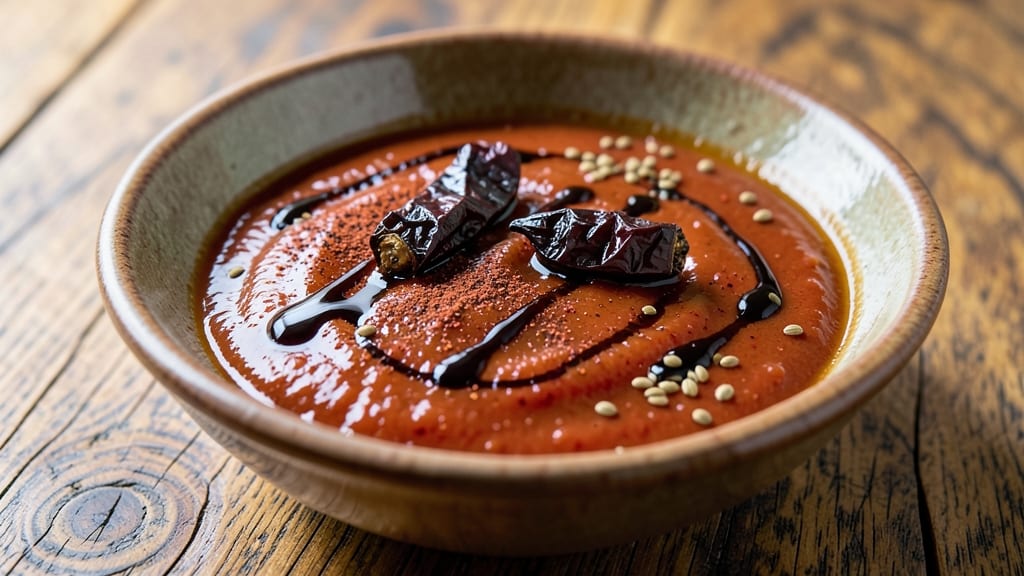
This Austin BBQ sauce recipe delivers the smoky, tangy depth that makes Texas BBQ legendary—where chipotle heat meets caramelized tomato sweetness in every spoonful.
I developed this after years of perfecting the balance between smoldering wood notes and bright acidity, a technique I learned from Central Texas pitmasters who know their sauces should complement, not overpower, the meat.
The key lies in slow-simmered tomatoes and a touch of vinegar that cuts through the richness while preserving that signature smoky backbone.
What sets this sauce apart is its versatility—it works as a glaze for ribs, a marinade for brisket, or even a bold dip for fries.
The recipe calls for just 10 ingredients, but the magic happens in the simmering process, where spices meld into a harmonious blend without overpowering the natural flavors.
Unlike commercial sauces, this version builds depth through time, not artificial flavorings, and keeps well for up to 3 months when stored properly.
The result is a sauce with caramelized edges and a velvety finish, where the chipotle peppers provide a slow-building heat that lingers without scorching. The vinegar and brown sugar create that perfect tang-sweet balance, while a splash of apple cider vinegar adds brightness that cuts through the smokiness.
This isn’t just another BBQ sauce—it’s a restaurant-quality condiment that transforms ordinary meals into something extraordinary.
Whether you’re smoking brisket for a crowd or glazing chicken for a weeknight dinner, this sauce delivers consistent, professional results every time. The instructions walk you through each step, from blending the spices to achieving that perfect caramelized consistency. Let’s get started—your taste buds (and your ribs) will thank you.
Ingredients for austin bbq sauce
Ten ingredients blend smoky heat and sweet tang for a sauce that rivals Texas BBQ pits.
| Ingredient | Amount | Notes |
|---|---|---|
| San Marzano Tomato Paste 🍅 | ½ cup | High-quality, no sugar added |
| Apple Cider Vinegar 🍏 | ¼ cup | Bragg preferred for tang |
| Brown Sugar 🍚 | ½ cup | Light or dark, packed |
| Chipotle Peppers in Adobo 🌶️ | 2 whole | Mild or hot, minced |
| Smoked Paprika 🌶️ | 2 tbsp | High-quality, Spanish preferred |
| Ground Cumin 🌿 | 1 tbsp | Toasted for deeper flavor |
| Garlic Cloves 🧄 | 4 cloves | Fresh, minced |
| Onion Powder 🧅 | 1 tsp | Freshly ground preferred |
| Black Pepper 🌶️ | ½ tsp | Freshly ground |
| Kosher Salt 🧂 | 1 tsp | Diamond Crystal preferred |
The San Marzano tomato paste is non-negotiable here—its natural sweetness and depth make all the difference. Grab a 28-ounce can from the Italian aisle at Whole Foods or Trader Joe's for the best quality. Bragg apple cider vinegar adds that signature tang, but any good brand works. For the chipotle peppers, look for Mild or Hot in adobo sauce at Latin markets—they’re fresher than grocery store jars. The smoked paprika should be Spanish-style (like Pimentón de la Vera), which gives that authentic smoky flavor without tasting like dust. Toast your cumin seeds in a dry pan for 30 seconds before grinding for a richer taste—worth the extra minute.
No San Marzano? Crushed tomatoes work in a pinch, but you’ll need 1 cup for the same depth. Balsamic vinegar can replace apple cider, though it’ll be slightly sweeter. Substitute cayenne for chipotle if you’re avoiding heat—start with ½ teaspoon and adjust. The brown sugar can be swapped for white sugar, but it won’t caramelize as beautifully. Pre-minced garlic is fine, but fresh always tastes better. Onion powder is a must—skip the fresh onion here, or you’ll end up with a chunky sauce. Diamond Crystal kosher salt dissolves more easily than table salt, so use it if you have it.
This sauce gets better with time—simmer for at least 45 minutes to let the flavors meld. Store in a sterilized glass jar in the fridge for up to 3 months. For longer storage, freeze in ice cube trays and transfer to a bag—perfect for batch cooking. Reheat gently on low heat, stirring often, to avoid scorching. The caramelized edges? That’s your reward for patience—don’t rush it. Leftovers make an amazing dip for fries or a glaze for grilled veggies.
Why You'll Love This Recipe
- Pantry Magic: I swear by this sauce because it uses stuff I already have—no last-minute grocery runs. The San Marzano paste thickens instantly, the apple cider vinegar cuts through the sweetness just right, and that smoky paprika adds depth without extra effort. Honestly, it’s the kind of recipe that makes me feel like a BBQ pro even when I’m just stirring a pot.
- Smoky-Sweet Balance: That chipotle in adobo gives it a slow-cooked, smoldering kick, while the brown sugar caramelizes into something dangerously addictive. It’s not too sweet, not too spicy—just that perfect harmony where every bite makes you reach for the plate again. (Yes, even on a Tuesday night.)
- Weeknight to BBQ Feast: Slather it on grilled chicken for a weeknight dinner, toss it with pulled pork for a tailgate spread, or drizzle it over baked beans for a crowd-pleasing side. Between us, I’ve used it on everything from breakfast tacos to roasted Brussels sprouts, and it never lets me down. It’s the one sauce that turns simple meals into something special.
- Leftovers That Don’t Suck: This sauce actually tastes better the next day—no sad, watered-down aftermath here. I make a double batch, store it in the fridge, and use it all week for everything from sandwiches to slow-cooker meals. And because it’s so budget-friendly (thanks to pantry staples), I’m not stressing about wasting a single drop. My secret weapon, for sure.
Step-by-step instructions for Austin BBQ sauce
Here's how to build deep, smoky flavor layer by layer—no shortcuts, just pure Texas-inspired technique.
Char the Chipotle Peppers for Maximum Heat
Remove the chipotle peppers from their adobo sauce and pat them dry with paper towels. Here's the thing—roasting them first intensifies their smoky flavor and balances the heat. Heat a dry skillet over medium-high heat and add the peppers. Toast them for 1-2 minutes per side until they develop deep char marks and release their aromatic oils. Watch closely—they burn quickly, and you want that perfect balance of smoky aroma without bitterness.
Transfer the charred peppers to a cutting board and let them cool slightly. Then, finely mince them using a sharp knife—you want a paste-like consistency that will blend seamlessly into the sauce. I like to remove the stems first as they can be bitter. Set the minced peppers aside; they're the secret weapon behind that signature Austin heat.
Bloom the Spices in Smoked Oil
In a heavy-bottomed saucepan, combine the 2 tablespoons smoked paprika and 1 tablespoon ground cumin over low heat. This step, called "blooming," releases their essential oils and deepens their flavor. Let them cook for 1-2 minutes until you can smell that rich, earthy aroma filling your kitchen—this is where the sauce gets its soul.
Add the 4 minced garlic cloves and 1 teaspoon onion powder to the pan. Cook for another 30 seconds until the garlic turns golden and fragrant. Be careful not to let it brown—you want to enhance the flavors, not burn them. The garlic should smell sweet and inviting, not sharp or bitter. This aromatic base will carry through the entire sauce, so take your time here.
Build the Sauce Foundation
Pour in the 0.5 cup San Marzano tomato paste and stir vigorously to combine with the spices. The paste will darken slightly as it incorporates, creating a rich, thick base. Add the 0.25 cup apple cider vinegar next—this adds the tangy brightness that cuts through the smokiness. Bring the mixture to a gentle simmer over medium heat, stirring occasionally to prevent sticking.
Now add the 0.5 cup brown sugar, 1 teaspoon kosher salt, and 0.5 teaspoon black pepper. Stir well to dissolve the sugar completely—you should see it caramelize slightly as it melts into the sauce. This is where the sweet and savory elements marry. Let the sauce simmer uncovered for 10-12 minutes, stirring occasionally, until it thickens noticeably and coats the back of a spoon.
Finish with Chipotle and Reduce
Add the minced chipotle peppers to the simmering sauce and stir gently to distribute them evenly. The sauce will darken slightly and deepen in color—this is your visual cue that the flavors are melding. Reduce the heat to low and let the sauce cook uncovered for another 15-20 minutes, stirring occasionally. You're looking for a sauce that coats the back of a spoon but still has a glossy sheen—it should be thick enough to cling to ribs or pulled pork but still pourable.
Taste and adjust the seasoning if needed. I usually find it needs a touch more salt or vinegar at this stage—remember, the sauce will mellow slightly as it cools. The final product should balance sweet, smoky, tangy, and spicy flavors with perfect harmony. Let the sauce cool completely before transferring to a clean jar for storage.
Pro Tips For Making Austin Bbq Sauce
- Simmer Low and Slow: Don’t rush the sauce—keep it at a gentle simmer (around 180°F) for at least 20 minutes. I used to crank the heat to speed things up, but that burns the sugar and turns the sauce bitter. Let it mellow out, and the flavors will meld like a good neighborhood barbecue.
- Blend the Adobo Paste: Strain the chipotle peppers in adobo through a fine-mesh sieve before adding them to the sauce. The sauce from the can is thick and gritty, and you don’t want chunks ruining your smooth, glossy finish. (Yes, even if you’re impatient like me.)
- Balance the Vinegar: Taste the sauce before adding all the apple cider vinegar—it’s easy to overdo it. Start with half the amount, let it sit for 10 minutes, then adjust. Too much vinegar makes the sauce sharp and unbalanced, and you’ll regret it when you’re halfway through.
- Toast the Paprika: Lightly toast the smoked paprika in a dry pan over medium heat for 30 seconds before adding it to the sauce. It deepens the smoky flavor without overpowering the other ingredients. (I was skeptical until I tried it—now I never skip it.)
Common mistakes when making your austin bbq sauce
Over-Simmering the Sauce
I’ve seen plenty of cooks let this sauce bubble away too long, and it turns out thin, bitter, and one-dimensional. The goal is a thick, glossy finish, not a syrup.
Once the sauce reaches that perfect coat-the-back-of-a-spoon consistency (around 30-40 minutes total simmer time), remove it from heat immediately. Any longer, and the vinegar will evaporate, leaving you with a cloying sweetness that lacks balance. 🌡️
Skipping the Pepper Bloom
This is where many home cooks cut corners, and it shows. Blooming your smoked paprika and cumin in oil for 1-2 minutes unlocks their full flavor potential. Without this step, your sauce will taste flat and dusty.
I’ve had students ask, “Can’t I just add the spices directly?” Nope—blooming is non-negotiable for that deep, earthy aroma that defines Austin BBQ sauce. Trust the process.
Using Low-Quality Tomato Paste
I cannot stress this enough: San Marzano tomato paste is non-negotiable for this recipe. Cheap, sugar-loaded pastes will make your sauce taste artificial and one-note. The natural sweetness and acidity of San Marzano create that caramelized depth that separates good BBQ sauce from great.
If you’re in a pinch, crushed tomatoes work, but you’ll need 1 cup for the same effect—and it won’t have the same intensity. 🍅
Ignoring the Chipotle Char
Skipping the char step for your chipotle peppers is like serving a brisket without a rub—you’re missing the soul of the dish. Charred peppers add smoky complexity that raw peppers can’t replicate. Toast them in a dry skillet until they develop deep char marks, then mince finely.
This small effort makes a huge difference in flavor. Pro tip: Remove the stems first—they’re bitter and can ruin the balance.
Rushing the Reduction
Patience is key here. Rushing the 15-20 minute reduction at the end means your sauce won’t develop that rich, velvety texture. Let it simmer slowly over low heat, stirring occasionally. The sauce should thicken naturally as moisture evaporates, creating a glossy sheen and caramelized edges.
If you rush it, you’ll end up with a thin, watery sauce that clings poorly to meat. 💫
Forgetting to Taste as You Go
This is a classic mistake—assuming the sauce will “figure itself out” without adjustments. Taste your sauce every 5-10 minutes starting at 15 minutes in. You’ll almost always need to tweak the salt, vinegar, or sugar balance.
Remember, the sauce will mellow slightly as it cools, so don’t be shy with adjustments while it’s hot. A little extra vinegar or pinch of salt now saves you from a bland final product later.
Nutrition facts
Frequently asked questions
Can I make this sauce without chipotle peppers?
For a milder version, substitute 1 teaspoon cayenne pepper or ½ teaspoon smoked paprika plus ½ teaspoon garlic powder. The smoky depth will be slightly different, but you'll still get that signature tangy-sweet balance. If you want to keep some heat without chipotle, try 1 teaspoon gochujang (Korean chili paste)—it adds complexity without overpowering.
How long does this sauce keep, and can I freeze it?
Store in a clean glass jar in the fridge for up to 3 months. For longer storage, freeze in ice cube trays or small containers. Thaw overnight in the fridge—never microwave directly from frozen. The texture may thicken slightly after freezing, so stir and reheat gently on low heat with 1 teaspoon water per ½ cup sauce to restore consistency.
What's the best way to use this sauce on ribs?
For competition-style ribs, apply a thin layer during the last 30 minutes of cooking (325°F). Brush on generously, then wrap in foil to let the sauce caramelize. For pulled pork, toss chunks with 2 tablespoons sauce per pound and let it mingle during the final 10 minutes of cooking. Pro tip: Save some sauce to drizzle over finished meat—this creates that glossy finish that makes ribs look restaurant-worthy.
Why does my sauce turn out too sweet or too tangy?
Taste as you go! The sauce will mellow slightly as it cools, so adjust while warm. For too sweet, add 1 tablespoon vinegar and simmer 5 more minutes. For too tangy, stir in 1 teaspoon brown sugar and let it dissolve. Remember: the chipotle and smoked paprika provide natural balance—don't overcorrect with salt. The goal is harmony, not masking flavors.
Can I make this sauce in a slow cooker?
Yes, but with adjustments. Combine all ingredients in your slow cooker and cook on LOW for 4-5 hours, stirring every hour to prevent sticking. The texture will be slightly thinner, so reduce uncovered on the stovetop for 10-15 minutes after transferring to achieve the right consistency. For best results, use a heavy-bottomed pot instead—slow cookers can't control heat as precisely for sauce reduction.