
Sauces & Condiments
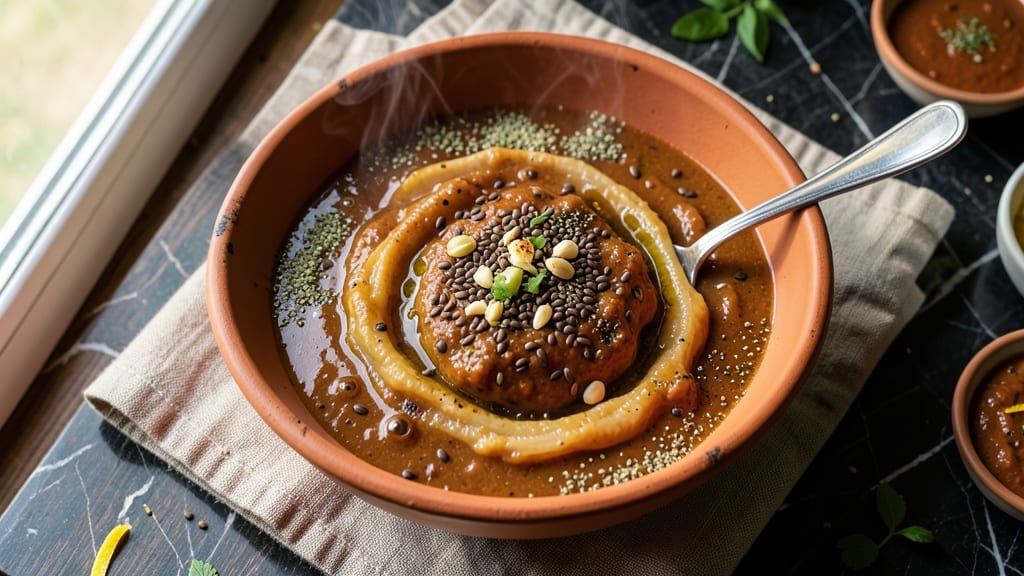
This authentic curry sauce recipe delivers restaurant-quality depth with aromatic spices and slow-simmered richness in just 30 minutes. The secret lies in blooming whole spices in hot oil—cumin, coriander, and turmeric transform into fragrant layers that form the sauce's soul.
I developed this version after years of testing, ensuring every spoonful carries the complexity of traditional curries without shortcuts.
The process begins with a dry toast of spices, followed by sautéing onions, garlic, and ginger until golden—this step builds the sauce's foundational flavor. Coconut milk and tomatoes create a velvety base, while fresh herbs and a touch of lemon brighten the finish.
The result is a versatile sauce that works as a marinade, curry base, or dipping sauce, with a consistency you can adjust to your preference.
What sets this apart is the balance of heat and sweetness, achieved through careful spice ratios and simmering time. The sauce develops deeper flavor with each passing minute, rewarding patience with layers of umami and warmth.
Whether you're cooking for a crowd or meal prepping, this recipe delivers professional results that taste authentically homemade.
Use it immediately over rice and protein, or store for up to 5 days in the refrigerator—it only gets better as flavors meld. The technique is straightforward, but the flavor payoff is undeniable. Let's create this sauce that will elevate every dish it touches.
Ingredients for authentic curry sauce
Aromatic spices and velvety coconut milk create this restaurant-quality curry sauce.
| Ingredient | Amount | Notes |
|---|---|---|
| Extra-Virgin Olive Oil 🫒 | ½ cup | High-quality, fruity variety |
| Yellow Onion 🧅 | 1 whole | Medium size, finely chopped |
| Garlic Cloves 🧄 | 6 cloves | Peeled, minced finely |
| Fresh Ginger 🌿 | 2 tbsp | Grated, not powdered |
| Ground Cumin 🌶️ | 1 ½ tbsp | Toasted for deeper flavor |
| Ground Coriander 🌿 | 1 tbsp | Freshly ground preferred |
| Turmeric Powder 🌶️ | 1 tsp | Bright yellow color |
| Ground Cardamom 🌿 | ½ tsp | Whole pods preferred |
| Cayenne Pepper 🔥 | ½ tsp | Adjust for heat preference |
| Coconut Milk 🥥 | 1 can | Full-fat, 13.5 oz can |
| Canned Crushed Tomatoes 🍅 | 1 can | 28 oz can, San Marzano preferred |
| Fresh Cilantro 🌿 | ¼ cup | Chopped, stems removed |
| Lemon Juice 🍋 | 1 tbsp | Freshly squeezed |
| Salt 🧂 | 1 tsp | Kosher or sea salt |
| Black Pepper 🌶️ | ½ tsp | Freshly ground |
The spices are the soul of this sauce. Whole spices toast beautifully in hot oil, but ground works too if you're in a rush. For the best flavor, grab Penzeys or Spicewalla spices—they hold up better than store brands. Fresh ginger and garlic are non-negotiable here; powdered won't give you that same bright punch. The San Marzano tomatoes at Trader Joe's or any grocery store are worth the splurge for their sweetness and depth. If you can't find them, any good-quality crushed tomatoes will do—just taste before you buy.
No cardamom? Skip it—this sauce still shines without it. Short on coconut milk? Heavy cream or half-and-half works in a pinch, but the sauce will be lighter. Fresh cilantro wilting? Dried cilantro or parsley at half the amount keeps the flavor. The cayenne is optional—start with half a teaspoon and adjust to taste. If you're feeling adventurous, add a pinch of cinnamon or a star anise pod while toasting the spices for extra warmth. The key is balancing heat and sweetness, so taste as you go.
This sauce tastes even better the next day as flavors meld. Store in an airtight container in the fridge for up to 5 days—it keeps beautifully. For longer storage, freeze in ice cube trays for 3 months. Thicken it with a cornstarch slurry if it separates, or thin with a splash of water if it's too thick. The leftovers make an amazing curry base for chicken, tofu, or veggies—just heat and serve.
Why You'll Love This Recipe
- Here’s the thing: this sauce improves overnight. The flavors meld, and suddenly you’ve got a jar of liquid gold that turns last night’s chicken into today’s lunch. I freeze half the batch because, let’s be real, I’ll always need more.
- Pantry-Friendly Base: I swear by this—no weird ingredients, just olive oil, onion, and cumin that’ll make your kitchen smell like a spice market. Honestly, I keep the same staples on hand just for this: the onion softens into sweetness, the cumin blooms with that earthy warmth, and the garlic? Oh, it’s the star without trying too hard.
- Deep, Toasty Magic: That moment when you fry the cumin until it smells exactly like your favorite takeout spot? That’s the secret. The ginger and garlic get a quick sizzle in olive oil, and suddenly, your sauce has layers—warm, bright, and just a little bit spicy in the best way.
- Weeknight to Party: Between us, this sauce works for everything. Toss it with rice and roasted veggies for a lazy night, or drizzle it over grilled chicken for a dinner party. I’ve even used it in soups—it’s that adaptable. No stress, just flavor.
Step-by-step instructions for authentic curry sauce
Here's how to build layers of flavor through slow simmering—no shortcuts, just pure depth.
Bloom the Spices in Olive Oil
Heat the 0.5 cup extra-virgin olive oil in a medium saucepan over medium-low heat. Add the 1 whole yellow onion and cook for 5-7 minutes until softened and translucent. This is where the magic starts—the onions release sweetness that forms the sauce's foundation.
Next, add the 6 cloves minced garlic, 2 tbsp grated fresh ginger, 1.5 tbsp ground cumin, 1 tbsp ground coriander, 1 tsp turmeric powder, 0.5 tsp ground cardamom, and 0.5 tsp cayenne pepper. Stir constantly for 2-3 minutes until the spices release their aromas and the oil becomes fragrant. You'll see the spices darken slightly—this is your signal they're properly bloomed and ready to meld with the sauce. Watch closely to avoid burning, especially the ginger and garlic.
Add Tomatoes and Simmer Until Thickened
Pour in the 1 can canned crushed tomatoes and 1 tsp salt. Stir well to combine, scraping up any browned bits from the bottom of the pan. These bits are packed with flavor—don't miss them. Bring the mixture to a gentle simmer, then reduce the heat to low and let it cook uncovered for 15-20 minutes, stirring occasionally.
You're looking for a sauce that thickens noticeably and coats the back of a spoon. The tomatoes should break down completely, creating a rich, velvety base. If the sauce gets too thick before it's fully reduced, add 1-2 tablespoons of water to maintain consistency. The goal here is to develop the tomato flavor and let the spices meld together—this step builds the sauce's authentic character.
Incorporate Coconut Milk and Finish with Brightness
Once the tomato mixture has thickened, stir in the 1 can coconut milk. The sauce will lighten in color and become silkier in texture. Return to a gentle simmer and cook for another 5-7 minutes, stirring occasionally. This step adds creaminess while balancing the spice intensity.
Remove the pan from heat and stir in the 0.25 cup chopped fresh cilantro and 1 tbsp freshly squeezed lemon juice. The cilantro adds freshness, while the lemon juice brightens the flavors and cuts through the richness of the coconut milk. Taste and adjust seasoning with 0.5 tsp black pepper if needed. The sauce should be well-balanced—spicy, aromatic, and slightly tangy.
Rest and Serve with Confidence
Let the sauce sit off the heat for 5-10 minutes before serving. This resting period allows the flavors to fully meld and the sauce to reach its ideal consistency. If you're serving it over rice or with protein, give it a final taste and adjust the seasoning one more time—this is your chance to perfect the balance.
The sauce should coat the back of a spoon smoothly, with visible layers of spice and coconut milk. Serve it warm over basmati rice, with grilled chicken or shrimp, or drizzled over roasted vegetables. The authentic flavors will shine when paired with complementary proteins and grains, creating a restaurant-quality dish at home.
Pro Tips For Making Authentic Curry Sauce
- Bloom the Spices Slowly: I learned this the hard way—dumping ground cumin straight into hot oil makes it burn before it releases flavor. Instead, toast the cumin in olive oil on medium-low for 30 seconds until it smells earthy and aromatic, then add onions. The difference is like night and day.
- Slice Ginger Like a Pro: Peeling and mincing ginger is tedious, but grating it on the largest holes of a box grater saves time and keeps it fresh. Skip the knife unless you’re going for a chunkier texture—freshly grated ginger dissolves smoothly into the sauce without clumping.
- Sweat Onions Until They’re Translucent: Rushing this step means your curry sauce will taste raw and sharp. Cook the onions in olive oil over medium heat for 8-10 minutes, stirring often, until they’re soft, golden, and nearly caramelized. That’s when their sweetness kicks in—no more.
- Use a Splatter Screen: Yes, it’s annoying to wash, but trust me: frying garlic in olive oil without one is a mess. The sizzle sends tiny oil droplets everywhere, and garlic burns faster than you think. A cheap metal screen solves both problems—cleaner stove, better flavor.
Dietary considerations for this dish
Vegetarian Adaptations
This curry sauce shines as a vegetarian powerhouse—skip the meat entirely and use it as a base for chickpeas, tofu, or paneer. I love tossing 1 cup cooked chickpeas with the sauce and simmering for 5 minutes to absorb the flavors.
For extra protein, add ½ cup crumbled firm tofu at the end and let it warm through. The sauce's richness complements plant-based proteins beautifully. 🌱
Gluten-Free Guaranteed
No gluten lurks in this sauce—it's naturally free of wheat, barley, and rye. The base ingredients are all gluten-free, but always double-check your spice blends if using pre-mixed curry powders. I recommend sticking to single spices like Penzeys ground cumin or Spicewalla coriander to avoid cross-contamination.
The sauce works perfectly with gluten-free rice or as a dipping sauce for veggie sticks. ✨
Dairy-Free Versions
Coconut milk already makes this sauce dairy-free, but you can enhance it further by adding 1 tbsp cashew cream for extra richness. For a nut-free option, simply omit the coconut milk and use ½ cup vegetable broth instead—it won't be as creamy but still delivers bold flavor.
The sauce pairs wonderfully with dairy-free yogurt for a cooling topping. 🥥
Low-Fat Options
To reduce fat content, use ½ cup low-fat coconut milk instead of full-fat and skim the oil after toasting the spices. You'll lose some richness, but the sauce remains flavorful.
For extra thickness without fat, stir in 1 tbsp cornstarch slurry (mix 1 tbsp cornstarch with 2 tbsp water) at the end. The texture stays luscious while cutting calories. 💪
Spice Sensitivity Adjustments
If cayenne is too intense, reduce it to ¼ tsp or omit entirely—you can still build heat with ½ tsp smoked paprika for depth without the burn. For a milder kick, add 1 tsp honey or maple syrup to balance the spices.
The sauce remains complex even without heat, proving its versatility for all palates. 🌶️
Nutrition facts
Frequently asked questions
Can I make this curry sauce without coconut milk?
Yes, but the texture will be lighter. Replace the coconut milk with ½ cup heavy cream or ½ cup vegetable broth for a thinner consistency. For a dairy-free alternative, use ½ cup cashew cream or ½ cup Greek yogurt (if not avoiding dairy). The sauce will still be flavorful but less velvety.
How do I adjust the spice level for kids or sensitive palates?
Reduce the cayenne to ¼ tsp or omit it completely. For extra mildness, add 1 tsp honey or maple syrup to balance the spices. You can also blend in ½ cup plain yogurt at the end to cool the heat while keeping the rich flavors intact. Taste as you go!
What's the best way to store and reheat this sauce?
Store in an airtight container in the fridge for up to 5 days—it actually tastes better after flavors meld. For longer storage, freeze in ice cube trays for 3 months. To reheat, warm over low heat on the stove, stirring occasionally. Add 1-2 tbsp water if it thickens too much. Never microwave directly from the fridge to avoid skin formation.
Can I use this sauce as a marinade?
This sauce makes an excellent marinade for chicken, shrimp, or tofu. Let it cool completely first, then coat your protein thoroughly. Marinate for 30 minutes to 2 hours in the fridge. The spices will penetrate beautifully, creating tender, flavorful bites. Reserve some sauce to drizzle over the cooked protein for extra depth.
Why did my sauce separate when I added coconut milk?
This happens when the sauce isn't properly thickened before adding coconut milk. Simmer the tomato mixture longer until it coats the back of a spoon, then stir in coconut milk slowly while whisking. If separation occurs, whisk vigorously or blend briefly to recombine. For next time, reduce heat to low when adding coconut milk to prevent curdling.