
Sauces & Condiments
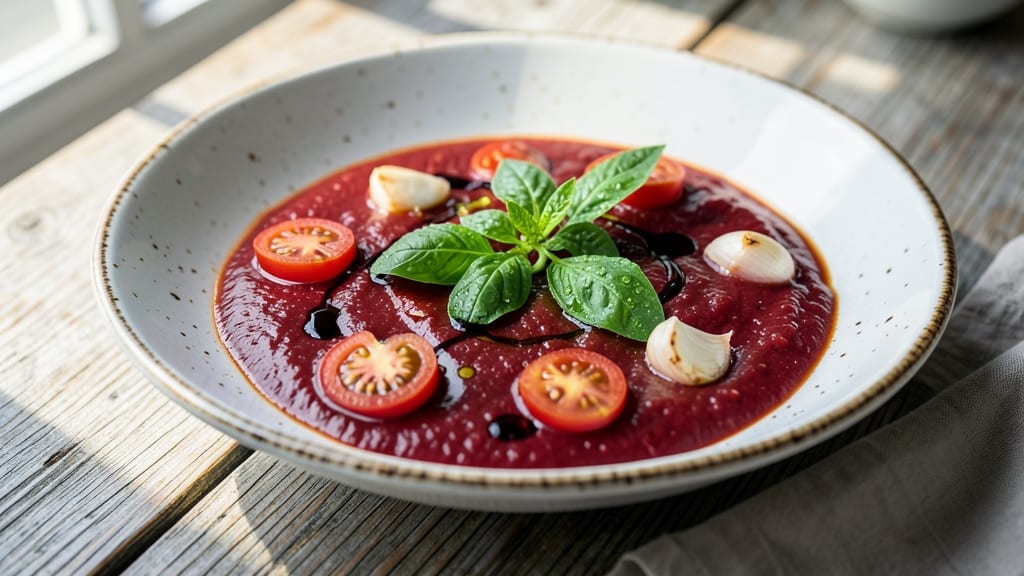
This authentic Italian fresh tomato sauce transforms simple ingredients into a restaurant-quality base that elevates every pasta dish. The secret lies in slow simmering San Marzano tomatoes with garlic, olive oil, and fresh basil—no shortcuts, just traditional technique that builds deep, complex flavors over time.
What starts as a bright, vibrant sauce develops into a rich, umami-packed foundation perfect for pasta, pizza, or dipping.
The process is straightforward but requires patience: tomatoes are gently simmered until broken down, then blended or strained for a silky texture. Fresh basil is added at the end to preserve its bright, aromatic notes rather than cooking them away.
This method ensures the sauce remains versatile—use it immediately or store it for up to a week, where flavors deepen like a fine wine.
What makes this sauce truly special is its balance of acidity, sweetness, and herbal brightness. The low-and-slow simmer caramelizes natural sugars, while the basil and garlic add layers of aroma that transform a simple tomato sauce into something extraordinary.
Every bite of pasta or slice of pizza will taste like a trip to Italy.
Whether you're cooking for a family dinner or meal prepping for the week, this sauce delivers authentic Italian flavor without the fuss. The ingredients are simple, but the technique ensures professional results. Let’s get started on creating your new pantry staple.
Ingredients for authentic italian fresh tomato sauce
Eight ingredients, traditional technique—this sauce delivers restaurant-quality Italian flavor.
| Ingredient | Amount | Notes |
|---|---|---|
| San Marzano Tomatoes 🍅 | 28 oz | Whole, crushed by hand |
| Extra-Virgin Olive Oil 🫒 | ½ cup | High quality, fruity |
| Garlic Cloves 🧄 | 4 cloves | Peeled, thinly sliced |
| Fresh Basil Leaves 🌿 | ½ cup | Packed, stems removed |
| Red Wine Vinegar 🍷 | 1 tbsp | For acidity balance |
| Salt 🧂 | 1 tsp | Diamond Crystal preferred |
| Black Pepper 🌶️ | ½ tsp | Freshly ground |
| Sugar 🍯 | 1 tsp | Balances acidity |
San Marzano tomatoes are the heart of this sauce. Look for the 28 oz cans at Italian markets or specialty stores—Whole Foods and Trader Joe's carry them year-round. The high sugar content and thick texture make them ideal for slow simmering. If you can't find them, San Marzano-style tomatoes (like those from Mutti) work well too. Fresh basil matters here—grab the biggest bunch you can find; the leaves should be vibrant green with no browning. For olive oil, Californian or Italian varieties add the best fruity notes, but any extra-virgin will do.
No fresh basil? Dried basil at one-third the amount works in a pinch, though it lacks the bright aroma. Running low on red wine vinegar? White wine vinegar or lemon juice will balance the acidity similarly. The sugar is crucial—it caramelizes during simmering to deepen the sauce's richness. Brown sugar or honey can substitute, but the texture may vary slightly. For garlic, roasting the cloves first adds a subtle sweetness that complements the tomatoes beautifully. If you prefer a smoother sauce, strain it through a fine-mesh sieve after blending.
This sauce improves with time—flavors deepen for up to 1 week in the fridge. Store it in an airtight container with a thin layer of olive oil on top to preserve freshness. For longer storage, freeze in ice cube trays—perfect for quick pasta additions later. Reheat gently on low heat, stirring occasionally, to maintain its silky texture. The sauce thickens as it cools, so add a splash of water or broth if needed when reheating.
Why You'll Love This Recipe
- No-Chop Nightmare: I swear by this sauce because it’s the only tomato recipe where I don’t have to dice anything—just crush a few garlic cloves, tear basil, and let the San Marzano tomatoes do the work. That alone makes it my weeknight lifesaver.
- Sunshine in a Jar: Between us, there’s nothing like the bright acidity of fresh basil and red wine vinegar cutting through the sweetness of those perfect San Marzano tomatoes. It’s the kind of flavor that makes you pause mid-bite, and honestly? That’s the magic.
- Pasta’s Best Friend: This sauce isn’t just for spaghetti—it’s my go-to for bruschetta, pizza dough, or even a quick shakshuka when I’m feeling lazy. The balance of olive oil and vinegar means it plays well with everything, and I’ve never had leftovers last more than a day.
- Budget Bright Spot: A single can of San Marzano tomatoes and a bunch of basil stretch across three meals, and the olive oil I use is the same one I drizzle on toast. It’s the kind of recipe that makes grocery day feel like a win, especially when it costs less than takeout.
Step-by-step instructions for authentic Italian fresh tomato sauce
This method delivers restaurant-quality sauce with perfect balance—rich, bright, and deeply flavorful.
🍳 Step 1: Crush the San Marzano Tomatoes by Hand
Start with the 28 oz San Marzano tomatoes. I find hand-crushing creates better texture than blending—it preserves some whole pieces for authentic rustic character. Hold each tomato over a large bowl and gently press with your fingers, crushing the flesh while leaving some seeds intact. Discard the skins and any hard cores. You should have about 3 cups of crushed tomatoes with some juice.
This manual process also helps release natural pectin, which will thicken the sauce as it simmers. Don't worry about perfect uniformity—the natural variations in texture create depth of flavor. If you prefer a smoother sauce, you can strain it later through a fine-mesh sieve, but I recommend keeping some texture for authentic Italian results.
🍳 Step 2: Sauté Garlic in Olive Oil Until Golden
Heat the 0.5 cup extra-virgin olive oil in a large, heavy-bottomed saucepan over medium heat. Add the 4 peeled and thinly sliced garlic cloves and cook for 2-3 minutes until they're golden brown but not burnt. Watch carefully—garlic burns quickly and becomes bitter.
This step is crucial for building flavor. The garlic should sizzle gently and develop a beautiful golden color. If the oil starts to smoke excessively, reduce the heat slightly. Once the garlic is golden, remove it from the pan with a slotted spoon and set aside—you'll add it back later. Leave the fragrant oil in the pan for the sauce.
🍳 Step 3: Simmer the Tomato Base
Add the crushed tomatoes to the garlic oil in the pan. Stir in the 1 tbsp red wine vinegar, 1 tsp salt, 0.5 tsp black pepper, and 1 tsp sugar. Bring the mixture to a gentle simmer over medium-low heat. Let it cook uncovered for 20-25 minutes, stirring occasionally, until the sauce thickens slightly and the raw tomato flavor mellows.
Here's where the magic happens: the acidity from the vinegar brightens the tomatoes, the sugar balances their natural tartness, and the long simmer develops deep umami flavors. You'll see the sauce reduce and coat the back of a spoon. If it thickens too much, add 2-3 tablespoons of water to maintain proper consistency. The sauce should be smooth but still have some body.
🥘 Step 4: Finish with Fresh Basil and Garlic
Return the golden garlic to the pan and stir to combine. Add the 0.5 cup packed fresh basil leaves and simmer for an additional 2-3 minutes just until the basil wilts and releases its aroma. Remove from heat immediately—overcooking will turn the basil bitter.
Taste and adjust seasoning if needed. The sauce should be bright, slightly sweet, with balanced acidity and a touch of garlic heat. The fresh basil adds that signature Italian brightness that distinguishes this sauce from cooked tomato products. For the best flavor, use this sauce immediately or store it in the refrigerator for up to 5 days. It won't thicken further when reheated, so it's perfect for serving over pasta or with grilled meats.
Pro Tips For Making Authentic Italian Fresh Tomato Sauce
- Peel Garlic Properly: I learned this the hard way—crushing raw garlic cloves into San Marzano sauce makes it bitter. Instead, peel them whole, then smash with the flat side of your knife. The flavor releases better, and you avoid that harsh aftertaste that ruins a fresh tomato sauce.
- Simmer on Low Heat: After burning three batches, I finally figured out: this sauce isn’t about fast cooking. Once tomatoes break down, drop the heat to a bare simmer—just enough to keep it moving. Too hot, and you’ll end up with a sad, thickened mess instead of bright, fresh tomato flavor.
- Salt the Tomatoes First: My grandmother swore by this, and she was right: sprinkle a pinch of salt directly on the chopped San Marzano tomatoes before cooking. It draws out moisture, softens them faster, and keeps the sauce from turning watery later. (Yes, even if you’re impatient like me.)
- Finish with Vinegar Last: Sounds weird, but it works: add red wine vinegar only in the final 30 seconds of cooking. This keeps the bright acidity intact instead of letting it cook off into oblivion. A splash at the end makes all the difference—like a fresh breath for the sauce.
Best sauces and condiments for authentic italian fresh tomato sauce
Classic Marinara Pairing
This fresh tomato sauce is the perfect marinara base when you add a splash of white wine (about ¼ cup) during the simmer. Deglaze the pan with the wine after removing the golden garlic, then reduce it by half before adding the tomatoes.
The wine adds elegant acidity that cuts through the richness of cheesy pasta dishes like fettuccine Alfredo or baked ziti. 🍷
For an even more traditional approach, finish with a sprinkle of grated Parmigiano-Reggiano (about 1 tbsp) just before serving. The umami depth of the aged cheese complements the sauce's brightness perfectly.
I like to reserve a few basil leaves for garnish—tuck them into the pasta strands or sprinkle over the top for that restaurant-quality presentation.
Pizza Sauce Foundation
Use this sauce as your pizza base by spreading a thin layer on dough before adding toppings. The bright acidity balances rich ingredients like mozzarella, pepperoni, or sausage. For extra authenticity, add a pinch of dried oregano (about ¼ tsp) to the sauce before baking.
The oregano enhances the tomato flavor while keeping the sauce's freshness intact. 🍕
Pro tip: Preheat your pizza stone or baking sheet to 500°F for 20 minutes before adding the sauce. This ensures a perfect crust while keeping the sauce vibrant and flavorful.
For a white pizza twist, mix this sauce with an equal part ricotta cheese and spread it on the dough before adding toppings like prosciutto and arugula.
Dipping Sauce Magic
This sauce makes an amazing dipping sauce for garlic bread, mozzarella sticks, or even crispy chicken tenders. Serve it warm or at room temperature—it's equally delicious both ways.
For extra flair, blend in 1 tbsp fresh lemon juice and a pinch of red pepper flakes (about ⅛ tsp) to add a tangy kick. 🍽️
I love using this sauce as a bruschetta topping too. Spread a thin layer on toasted baguette slices, then top with fresh mozzarella cubes, a drizzle of extra-virgin olive oil, and a sprinkle of sea salt.
The sauce's brightness cuts through the richness of the cheese, creating a perfect bite-sized appetizer.
Pasta Sauce Upgrade
Elevate your pasta dishes by tossing this sauce with cooked noodles and a handful of cherry tomatoes, halved. The fresh tomatoes add a juicy contrast to the silky sauce.
For a creamy twist, stir in ¼ cup heavy cream at the end—it adds richness while keeping the sauce light. This works beautifully with pappardelle or tagliatelle. 🍝
For a vegetarian powerhouse, combine the sauce with sautéed mushrooms, spinach, and sun-dried tomatoes. The earthy flavors of the mushrooms pair perfectly with the sauce's brightness. Finish with a sprinkle of pecorino cheese for a salty, tangy kick that ties everything together.
Meatball Companion
This sauce is a game-changer for meatballs—simmer it with the meatballs for 10-15 minutes to infuse them with flavor. The sauce's acidity tenderizes the meat while adding depth. Serve the meatballs over mashed potatoes or polenta for a hearty meal. 🥩
For extra richness, deglaze the pan with 2 tbsp balsamic vinegar after browning the meatballs. The balsamic adds a sweet, tangy note that pairs beautifully with the sauce.
I also like to add a splash of beef broth (about ¼ cup) to the sauce while simmering with the meatballs—it enhances the umami flavor and keeps the sauce moist.
Nutrition facts
Frequently asked questions
Can I make this sauce without San Marzano tomatoes?
Yes, but the flavor will differ slightly. Use high-quality San Marzano-style tomatoes (like Mutti) or heirloom tomatoes for better sweetness and acidity. If using regular canned tomatoes, remove the skins and seeds first to reduce bitterness. The sauce will still be delicious, but the authentic Italian depth comes from those special tomatoes.
How do I prevent the sauce from getting too acidic?
The sugar in the recipe balances acidity naturally, but if your tomatoes are very tart, add ½ tsp more sugar during simmering. For extra insurance, reduce the red wine vinegar to ½ tbsp. Taste as you go—Italian sauces should be bright but not sour. The long simmer also mellows acidity over time.
Should I blend the sauce for a smoother texture?
It depends on your preference! For a rustic texture (like traditional Italian), keep it slightly chunky. For a silky sauce, blend after simmering. If straining, use a fine-mesh sieve to remove skins but keep some tomato pieces for body. The recipe's natural pectin will thicken it as it cools—no need for cornstarch.
Can I make this sauce ahead of time?
This sauce tastes even better after resting. Store it in an airtight container in the fridge for up to 1 week, where flavors deepen like fine wine. For longer storage, freeze in ice cube trays—perfect for quick pasta additions later. Reheat gently on low heat, adding a splash of water if too thick.
What if I don't have fresh basil?
Use 1 tbsp dried basil (one-third the amount) as a substitute, but add it earlier in cooking (with tomatoes) since dried herbs cook down. For extra flavor, add ½ tsp dried oregano too. The sauce will still be delicious, though fresh basil's bright aroma is irreplaceable.