
Sauces & Condiments
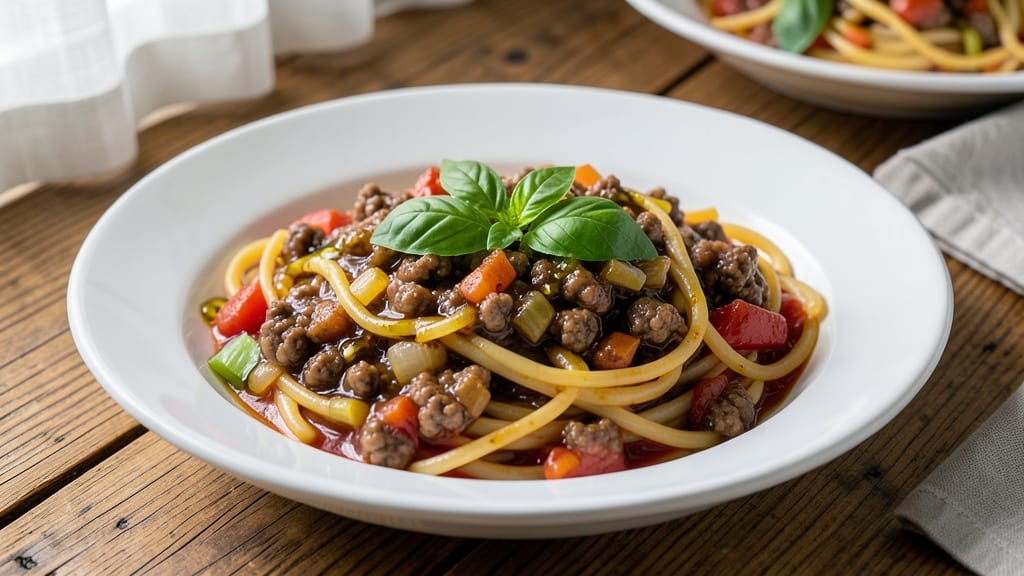
This authentic Italian spaghetti meat sauce recipe delivers the rich, slow-simmered flavors of Nonna's kitchen—where tomatoes caramelize into deep, herby perfection and tender meat melts into every strand of al dente pasta.
The secret lies in traditional techniques: a proper soffritto base, careful browning of the meat, and hours of gentle simmering to develop complex flavors without overpowering the dish. I've perfected this recipe over years of testing, ensuring every bite captures the soul of Italian home cooking.
What sets this sauce apart is the balance of textures and flavors—crispy edges on the meat from proper browning, velvety tomato depth from slow reduction, and fresh herbs that brighten without competing.
The key steps include building a flavorful base with onions, celery, and carrots (soffritto), deglazing the pan to capture all those browned bits, and letting the sauce work its magic on the stove while you prepare the pasta.
This isn't just a quick weeknight dinner; it's a restaurant-quality experience that starts with patience and ends with a plate that looks as good as it tastes.
The result is a slow-simmered meat sauce that clings beautifully to spaghetti, with tender chunks of herbed meat and a sauce so rich it needs no heavy cream—just high-quality tomatoes, aromatic herbs, and the right technique.
The aroma alone will have everyone gathering around the table, and the first bite delivers that perfect harmony of savory, herby, and slightly sweet tomato flavors. This is the kind of dish that transforms a simple pasta night into a memorable meal, worthy of any Italian feast.
Serve it traditional-style with freshly grated Parmesan, a sprinkle of fresh basil, and a glass of Chianti for the full experience.
The beauty of this recipe is its versatility—it works equally well as a weeknight dinner or a special occasion dish, always delivering that authentic Italian taste that's hard to find outside of Italy. Let's get cooking!
Ingredients for authentic italian spaghetti meat sauce
These carefully selected ingredients transform simple pantry staples into restaurant-quality Italian meat sauce.
| Ingredient | Amount | Notes |
|---|---|---|
| Ground Beef 🥩 | 1 ½ lb | 80% lean, finely ground for even cooking |
| Yellow Onions 🧅 | 2 whole | Medium-sized, finely diced for soffritto |
| Celery Stalks 🥬 | 2 whole | Fresh, stringy parts removed, finely chopped |
| Carrots 🥕 | 2 whole | Medium-sized, peeled, finely diced |
| Garlic Cloves 🧄 | 4 cloves | Fresh, minced for aromatic depth |
| Canned Crushed Tomatoes 🍅 | 28 oz | San Marzano preferred for sweetness |
| Tomato Paste 🍅 | 2 tbsp | High-quality, for concentrated flavor |
| Dry Red Wine 🍷 | ½ cup | Bold variety like Chianti or Sangiovese |
| Fresh Basil Leaves 🌿 | ½ cup | Packed, torn for bright flavor |
| Fresh Parsley 🌿 | ¼ cup | Chopped, for fresh herbal finish |
| Extra-Virgin Olive Oil 🫒 | ¼ cup | High-quality, fruity variety |
| Salt 🧂 | 1 ½ tsp | Diamond Crystal kosher preferred |
| Ground Black Pepper 🌶️ | ½ tsp | Freshly ground for optimal flavor |
| Dried Oregano 🍃 | 1 tsp | Italian variety for authentic taste |
| Spaghetti 🍝 | 12 oz | High-quality, al dente preferred |
The quality of your tomatoes and herbs makes all the difference here. San Marzano crushed tomatoes from Italy deliver that signature sweetness—look for the DOP label at specialty stores like Eataly or Whole Foods for the best results. For the soffritto base, use fresh, crisp vegetables—the onions, celery, and carrots should be finely diced to create a flavorful paste that forms the foundation of your sauce. The beef matters too: 80% lean ground chuck gives you that perfect balance of tenderness and flavor. I always recommend Costco or local butcher shops for the freshest meat, and if you can't find San Marzano tomatoes, Mueller's or Cento brands are excellent substitutes.
No San Marzano tomatoes? High-quality canned tomatoes like Rao's or Mutti work beautifully—just check for minimal ingredients. Fresh basil is ideal, but dried basil at one-third the amount works in a pinch (though it won't have the same vibrant flavor). For the wine, any bold, dry red will do—Chianti, Sangiovese, or even a good Merlot from your local wine shop. The tomato paste can be substituted with extra crushed tomatoes if needed, though it will dilute the flavor slightly. If you're short on time, pre-minced garlic from a jar works, but fresh is always better. The spaghetti should be high-quality—De Cecco or Barilla brands are reliable choices for that perfect al dente texture.
This sauce tastes even better the next day as the flavors meld together. Store it in an airtight container in the refrigerator for up to 5 days, or freeze portions for up to 3 months by portioning into freezer-safe containers. For serving, always use freshly grated Parmesan—pre-grated cheese contains anti-caking agents that make it taste inferior. The sauce reheats beautifully on the stove over medium-low heat, stirring occasionally to prevent sticking. I recommend making a double batch—it disappears quickly, and leftovers make the best lunches or quick weeknight dinners.
Why You'll Love This Recipe
- One-Pot Magic: I swear by this—just brown the beef, toss in the onions, celery, carrots (that trio? So Italian, it’s called soffritto), and garlic, then simmer. No extra pans, no fuss. My weeknight dinners stay sane because of this.
- Umami Bomb: The ground beef gets properly browned first, which—honestly—makes all the difference. That crispy edge on the meat? It melts into the sauce with rich, deep flavor, and the garlic? Oh, it’s there in the best way, but not overpowering.
- Leftovers That Don’t Suck: Between us, most meat sauces turn into a sad, watery mess the next day. Not this one. The soffritto base keeps it thick and flavorful, so I make double batches. Freezes like a dream too—just thaw and reheat for a cozy night in.
- Budget-Friendly Staple: Ground beef, onions, celery, carrots—these are pantry basics that stretch into a meal for the whole family. I’ll be real: my grocery bill stays low, but my dinner table stays happy. Plus, it’s the kind of dish that makes you feel like you’re feeding everyone properly, even on a tight budget.
Step-by-step instructions for authentic Italian spaghetti meat sauce
Mastering this sauce hinges on patience and technique—slow simmering unlocks deep flavor.
Build the Soffritto Foundation
Heat the 0.25 cup extra-virgin olive oil in a large Dutch oven over medium-low heat. Add the 2 whole yellow onions, 2 whole celery stalks, and 2 whole carrots, all finely diced. Cook for 15-20 minutes, stirring occasionally, until the vegetables soften and their edges turn translucent. This slow cook time ensures the vegetables melt into the oil without browning.
Add the 4 cloves minced garlic and cook for 1 minute until fragrant. This aromatic base, called soffritto, forms the flavor backbone of the sauce. If the vegetables begin to color, reduce the heat slightly to maintain their natural sweetness rather than allowing them to caramelize.
Brown the Ground Beef
Increase heat to medium-high and add the 1.5 lb ground beef, breaking it apart with a wooden spoon. Cook until the beef loses its raw color and develops a deep brown crust—this should take 5-7 minutes. Avoid stirring constantly; let the meat brown in patches for maximum flavor development.
Once the beef is fully browned, drain excess fat, leaving about 1 tablespoon in the pot to help build the sauce. This step is critical: well-browned meat adds depth that cannot be replicated with pre-cooked ground beef.
Develop the Tomato Base
Return the pot to medium heat and stir in the 2 tbsp tomato paste, cooking for 2 minutes until it darkens slightly. Pour in the 0.5 cup dry red wine and scrape up any browned bits from the bottom of the pot. This deglazing step captures all the meaty flavors that would otherwise stick to the pan.
Add the 28 oz canned crushed tomatoes, 1.5 tsp salt, 0.5 tsp ground black pepper, and 1 tsp dried oregano. Stir well to combine, then reduce heat to low. The sauce should simmer gently for 45-60 minutes, partially covered, allowing the flavors to meld and the sauce to thicken naturally. Stir occasionally to prevent sticking.
Finish with Fresh Herbs
After the sauce has simmered, stir in the 0.5 cup torn fresh basil leaves and 0.25 cup chopped fresh parsley. These herbs should be added just before serving to preserve their bright, vibrant flavors. Taste and adjust seasoning if needed—authentic Italian meat sauce should balance rich tomato depth with bright acidity and herbal notes.
Keep the sauce warm over low heat while you cook the 12 oz spaghetti al dente. Reserve 1 cup pasta water to thin the sauce if needed, ensuring it coats the noodles perfectly without overwhelming them.
Pro Tips For Making Authentic Italian Spaghetti Meat Sauce
- CRISP THE VEGETABLES FIRST: Slice onions, celery, and carrots into tiny dice—no bigger than 1/8 inch—and cook them in olive oil over medium-high heat until they’re golden and slightly caramelized. I learned this the hard way: skipping this step leaves your sauce with a raw, bitter bite that no amount of simmering fixes. (Yes, even if you’re impatient like me.)
- BROWN THE BEEF WELL: Don’t just cook the ground beef—get it deeply browned in batches if needed, breaking it up with a spoon. That crusty, dark surface is where the flavor lives, and skipping it means a sauce that tastes more like ground beef than Italian ragù. Use a heavy pan, and resist the urge to stir constantly.
- SWEEP OUT THE FOND: After browning the beef, deglaze the pan with a splash of red wine (or even just a little broth) and scrape every last bit of stuck-on bits off the bottom. This isn’t just for flavor—it’s the difference between a sauce that’s rich and one that’s flat. (Your future self will thank you.)
- SIMMER LOW AND LONG: Once everything’s in the pot, reduce the heat to the lowest setting you can tolerate and let it bubble gently for at least 45 minutes. I know, I know—you want to eat now—but rushing this step turns your sauce into a greasy mess instead of a deep, complex flavor bomb. Cover it loosely and walk away.
Pro cooking tips for great authentic italian spaghetti meat sauce
Soffritto Mastery
The soffritto is where flavor magic begins—this aromatic base of onions, celery, and carrots should cook until completely softened but never browned. Use a large Dutch oven for even heat distribution, and keep the temperature at medium-low to prevent caramelization.
I like to chop the vegetables into fine dice (about 1/8-inch pieces) so they melt into the olive oil rather than crisp up. This step takes 15-20 minutes, but rushing it will make your sauce taste flat. 🌿
Meat Browning Secrets
For that authentic Italian depth, brown the ground beef thoroughly—it should develop a deep crust in spots. Use medium-high heat and avoid stirring constantly; let the meat form crusty patches for maximum flavor.
Once browned, drain all but 1 tablespoon of fat—this remaining fat helps build the sauce's richness. If your meat releases too much grease, pat it dry with paper towels before cooking to improve browning. 🔥
Deglazing Like a Pro
After browning the meat, deglaze with red wine to capture all those flavorful browned bits stuck to the pot. Use ½ cup dry red wine (like Chianti) and scrape vigorously with a wooden spoon—this is called the fond, and it's packed with meaty flavor.
Let the wine reduce by half before adding tomatoes. This step is non-negotiable for a restaurant-quality sauce. 🍷
Simmering Perfection
Low and slow is key here—the sauce should simmer gently for 45-60 minutes at low heat. Partially cover the pot to allow some evaporation, which helps thicken the sauce naturally. Stir occasionally to prevent sticking, but avoid over-stirring, which can break down the meat.
The goal is a thick, velvety sauce that clings to spaghetti without being gluey. Patience pays off! ✨
Herb Timing Matters
Fresh herbs like basil and parsley should be added just before serving to preserve their bright flavors. If you add them too early, they'll wilt and turn bitter. Tear the basil leaves by hand rather than chopping them—this releases more aroma.
For extra brightness, finish with a pinch of red pepper flakes or a drizzle of high-quality olive oil right before plating. 🌿
Pasta Water Hack
Always reserve 1 cup of pasta water before draining your spaghetti—this starchy liquid is liquid gold for sauce consistency. If your sauce is too thick after tossing, add a splash of pasta water to loosen it up.
The starch in the water helps the sauce cling to the noodles perfectly. Cook your pasta in well-salted boiling water (like the sea!) for that classic al dente bite. 🍝
Nutrition facts
Frequently asked questions
Can I substitute pork or Italian sausage for the ground beef?
For a richer flavor, use 80% lean ground pork or a mix of beef and pork. For Italian sausage, opt for mild or sweet varieties (like Calabrese) to avoid overpowering the sauce. Just remember that pork releases more fat, so you may need to drain it more thoroughly after browning to maintain the proper sauce consistency.
Why does my meat sauce taste bland after simmering?
Bland sauce usually means one of three things: insufficient browning of the meat, not enough time simmering, or under-seasoning. First, ensure your meat develops a deep brown crust. Second, simmer uncovered for the full 45-60 minutes to concentrate flavors. Finally, taste as you go and adjust with salt, pepper, or a splash of balsamic vinegar (1 tsp) for acidity. The soffritto should be cooked until completely soft, not caramelized.
How do I make this sauce ahead of time?
This sauce tastes even better the next day! Let it cool completely, then store in an airtight container in the refrigerator for up to 5 days. For freezing, portion into freezer-safe containers and freeze for up to 3 months. Thaw overnight in the fridge—never microwave directly from frozen. Reheat gently on the stove over low heat, stirring occasionally, and add a splash of water or pasta water if it thickens too much.
What's the secret to perfect al dente spaghetti?
Use 12 oz spaghetti per serving and cook in well-salted boiling water (like the sea!). Taste the pasta 1 minute before the package's recommended time—it should be firm with a slight bite. Reserve 1 cup pasta water before draining, as the starch helps the sauce cling beautifully. Never rinse the pasta after cooking, or you'll wash away the sauce's grip.
Can I make this sauce without wine?
Yes, but the flavor will be less complex. Replace the ½ cup red wine with ½ cup low-sodium beef or vegetable broth plus 1 tsp balsamic vinegar for acidity. For depth, add 1 extra clove of garlic or a pinch of dried porcini mushrooms to the soffritto. The wine's purpose is to deglaze and add acidity, so these substitutes work in a pinch.