
Sauces & Condiments
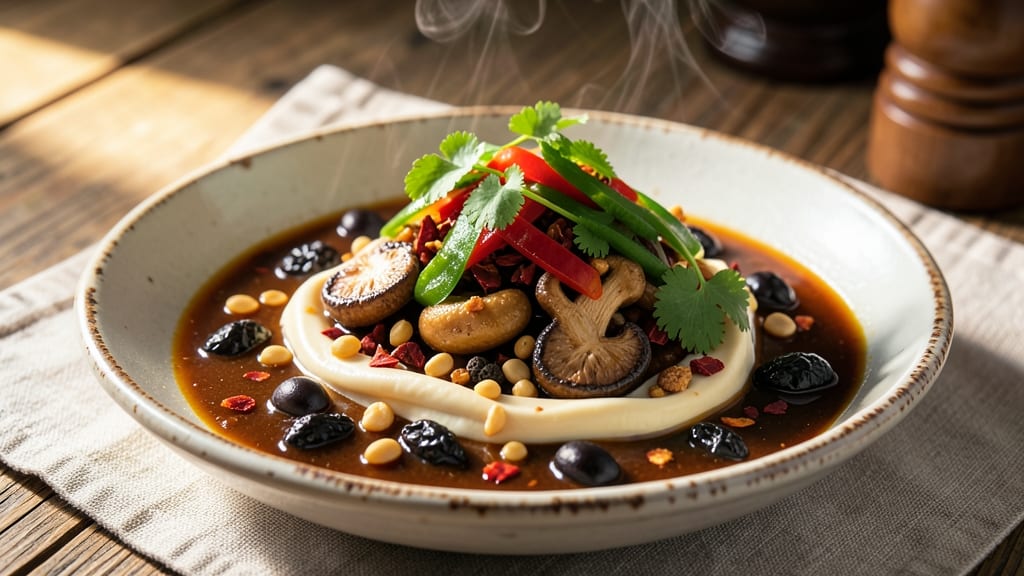
This authentic kung pao sauce recipe delivers the signature fiery peanut-chili balance that defines Sichuan cuisine, with a smooth, aromatic depth that's impossible to replicate with bottled versions. The key lies in properly toasting whole spices and chili oil to unlock their complex flavors—this isn't just a sauce, it's a flavor experience that transforms any dish. I've perfected this version through years of testing, balancing sweet, spicy, tangy, and nutty elements in precise proportions.
What sets this sauce apart is the technique: we start with dry-toasted Sichuan peppercorns and chili peppers to create that signature numbing-spicy sensation, then build layers of umami through fermented black beans and dark soy sauce.
The peanut butter adds richness without overpowering, while vinegar and sugar create the perfect sweet-savory contrast. Every ingredient plays a specific role in achieving that authentic restaurant-quality depth.
The result is a vibrant red sauce with visible peanut chunks and a perfect balance of heat and nutty sweetness that clings beautifully to proteins and vegetables. This isn't just a condiment—it's a flavor enhancer that elevates stir-fries, noodles, or even grilled meats to restaurant-quality levels.
The best part? It comes together in just 15 minutes with simple pantry ingredients, making it perfect for weeknight cooking.
For maximum flavor development, let the sauce sit for 30 minutes after making—this allows the spices to mellow slightly while intensifying their aromatic qualities. Store any leftovers in the refrigerator for up to 5 days, though I rarely have any remaining once the first batch hits the table.
The secret to success lies in proper heat control during cooking and precise ingredient ratios, which we'll cover in detail in the instructions.
Ingredients for authentic kung pao sauce
The secret to authentic kung pao sauce lies in these 10 transformative ingredients.
| Ingredient | Amount | Notes |
|---|---|---|
| Sichuan Peppercorns 🌶️ | 1 ½ tbsp | Whole, toasted until fragrant |
| Dried Red Chili Peppers 🌶️ | 2 whole | Dried arbol or guajillo peppers |
| Peanut Butter 🥜 | ½ cup | Natural, unsweetened preferred |
| Fermented Black Beans 🌱 | ¼ cup | Rinsed, chopped into small pieces |
| Dark Soy Sauce 🍶 | ¼ cup | For authentic umami depth |
| Light Soy Sauce 🍶 | ¼ cup | Balances dark soy's intensity |
| Rice Vinegar 🍶 | 2 tbsp | White or seasoned vinegar |
| Granulated Sugar 🍚 | 2 tbsp | Adjust for sweetness preference |
| Garlic Cloves 🧄 | 4 cloves | Minced, aromatic foundation |
| Vegetable Oil 🫒 | ½ cup | High smoke point for toasting |
Sichuan peppercorns are non-negotiable for that signature numbing-spicy sensation. Buy them whole from a specialty Asian market—they toast beautifully and last for months. Lao Gan Ma brand is a game-changer if you want restaurant-quality results. Dried chili peppers? Arbol peppers deliver the perfect heat level, but guajillo adds subtle sweetness. Toast them in your dry pan until fragrant—this step unlocks their complex flavors. The peanut butter should be natural and unsweetened; Smucker's Natural is my go-to, but any brand without additives works. Fermented black beans add umami depth, and you'll find them in the Asian foods section of most grocery stores.
No Sichuan peppercorns? Substitute with a pinch of black pepper and cayenne, but you'll miss the signature numbing effect. Running low on dark soy sauce? Double the light soy sauce and add a dash of molasses for depth. Peanut butter too thick? Warm it slightly to blend smoothly. The garlic can be pre-minced to save time, but freshly minced releases more aroma. For a smoother sauce, blend the peanut butter with a splash of hot water before adding. The rice vinegar adds tanginess—substitute apple cider vinegar if needed, but the flavor profile shifts slightly.
Toasted spices lose potency quickly, so store them in an airtight container away from light. The sauce thickens as it cools—stir in a splash of water if it becomes too stiff. Keeps for 5 days in the fridge, though I rarely have leftovers. For longer storage, freeze in ice cube trays—perfect for single-use portions. The sauce actually improves after sitting for 30 minutes, allowing flavors to meld beautifully. Double the batch if you're feeding a crowd—this sauce disappears fast!
Why You'll Love This Recipe
- Pantry Powerhouse: I’ll never stress over fresh ingredients again—this sauce lives in my cupboard for months. The fermented black beans and dark soy sauce keep forever, and a quick toast of Sichuan peppercorns and dried chilies wakes them up instantly. No last-minute grocery runs, just flavor on demand.
- Numb & Tingling Magic: That first bite? Pure sensory overload. The Sichuan peppercorns send a delicious buzz through your mouth while the peanut butter smooths out the heat—like a hug for your taste buds. Honestly, it’s the kind of sauce that makes people ask, “What’s in this?”
- Double-Duty Sauce: Slather it on stir-fries, drizzle it over rice bowls, or toss it with noodles—this stuff doesn’t quit. I even use the leftover base for quick satay marinades. One batch feeds my family for days, and the leftovers? Better than takeout.
- Budget-Friendly Heat: A tiny bag of dried chilies and a jar of black beans stretch to so many meals. Between us, this sauce costs pennies per serving but tastes like a fancy restaurant dish. My wallet and my taste buds both win—no compromises.
Step-by-step instructions for authentic kung pao sauce
Here's how to balance fiery heat, nutty richness, and umami depth in this iconic Chinese sauce.
Toast the Aromatics for Maximum Flavor
Heat the 0.5 cup vegetable oil in a wok or deep skillet over medium-high heat until shimmering but not smoking. Add the 1.5 tbsp Sichuan peppercorns and toast for 30 seconds until fragrant and lightly sizzling—you'll smell that distinctive citrusy aroma. Remove immediately with a slotted spoon and set aside.
In the same oil, add the 2 whole dried red chili peppers and toast for 20 seconds until they darken slightly and release their aroma. Remove and discard stems, then finely chop the peppers. Keep the oil hot for the next step—this toasting builds the sauce's signature complexity.
Build the Sauce Base with Garlic and Fermented Beans
Add the 4 cloves minced garlic to the hot oil and stir constantly for 20-30 seconds until fragrant but not browned—burnt garlic will make the sauce bitter. Immediately add the 0.25 cup chopped fermented black beans and stir for 1 minute until they soften slightly and release their funky, salty flavor.
Here's the thing—don't rush this step. The beans need time to break down and infuse their deep umami into the oil. You'll see them darken slightly as they cook down, which is exactly what you want for authentic texture and flavor.
Combine Wet Ingredients for Perfect Balance
Reduce heat to medium and add the 0.25 cup dark soy sauce and 0.25 cup light soy sauce. Stir constantly for 1 minute until the soy sauces mingle with the oil and begin to reduce slightly. This is where the sauce starts to come together—watch for a glossy sheen that indicates proper emulsification.
Add the 2 tbsp rice vinegar and 2 tbsp granulated sugar, stirring vigorously for 30 seconds until the sugar dissolves completely. The vinegar brightens the sauce while the sugar balances the heat and saltiness. Taste at this stage—you should feel a foundation of sweet, salty, and slightly tangy flavors.
Finish with Peanut Butter for Nutty Richness
Remove the sauce from heat and let it cool slightly for 1 minute—this prevents the peanut butter from seizing. Add the 0.5 cup peanut butter and stir until completely smooth and fully incorporated. The sauce should transform from glossy to creamy with a velvety texture.
Return to low heat and stir continuously for 2-3 minutes until the sauce reaches 160°F, which ensures any potential bacteria from raw ingredients is eliminated. The peanut butter should melt completely, creating that signature Kung Pao texture that's neither too thick nor too thin.
Adjust and Serve Immediately
Taste and adjust seasoning—add a pinch more sugar if it's too spicy, or a splash of light soy sauce if it needs more saltiness. The sauce should sing with fiery heat, nutty richness, and deep umami all working together in perfect harmony.
Use immediately over protein like chicken or tofu, or drizzle over noodles. For best results, serve while warm—this sauce develops even more complexity when used fresh. Store leftovers in the refrigerator for up to 5 days, but reheat gently to preserve its velvety texture.
Pro Tips For Making Authentic Kung Pao Sauce
- TOAST THE PEPPERS: Start by dry-toasting the dried red chili peppers and Sichuan peppercorns in a small pan over medium heat for 30 seconds—just until they start to smell like a Sichuan street market. I learned this the hard way: skipping this step means your sauce will taste flat and one-dimensional, like someone forgot to turn on the heat.
- SIMMER THE PEANUT BUTTER: Add the peanut butter to the sauce after the aromatics are cooked and before any liquid is added. Stir in just 1 tablespoon at a time while keeping the heat low—if it burns, your sauce will taste bitter and greasy. Trust me, this isn’t the place to rush.
- SOAK THE BLACK BEANS: Toss the fermented black beans in hot water for 10 minutes before adding them to the sauce. This softens their tough texture and lets their deep umami flavor shine without turning to mush. I used to skip this, and the beans just fell apart, making the sauce look like a muddy swamp.
- THIN WITH WATER, NOT SOY: When adjusting the sauce’s consistency, use plain water instead of dark soy sauce—it’s the only way to keep the balance of flavors sharp. A splash at a time is all you need; I’ve ruined batches by drowning the sauce in soy and turning it into a salty, flavorless glaze.
Perfect pairings for authentic kung pao sauce
Stir-Fry Pairings
This sauce transforms chicken thighs into the ultimate dish—marinate them for 30 minutes in half the sauce before stir-frying with bell peppers and broccoli. The peanut butter creates a glossy coating that caramelizes beautifully, while the Sichuan peppercorns add that signature numbing heat.
For extra authenticity, finish with toasted sesame seeds and sliced green onions. 🔥
Noodle Pairings
Drizzle over hand-pulled noodles like lo mein or ramen for an instant flavor upgrade. I like to toss 1 lb fresh noodles with 2 tbsp sauce and a splash of chicken broth to loosen the texture.
Add quick-pickled vegetables like cucumber and carrot for crunch and acidity that cuts through the richness. Garnish with crushed peanuts for extra texture.
Protein Upgrades
Use as a marinade for tofu or shrimp—the peanut butter tenderizes while the spices infuse deeply. For shrimp, marinate for 15 minutes before stir-frying with garlic and ginger.
The sauce also elevates grilled chicken breast—brush on during the last 5 minutes of cooking for a sticky, flavorful crust. For a vegetarian option, try mushroom stir-fry with shiitake and oyster mushrooms. 🌱
Dipping Sauce
Thin with 1-2 tbsp water to create a dipping sauce for spring rolls or dumplings. The balance of heat, sweetness, and umami makes it irresistible. For extra depth, add 1 tsp chili oil when thinning.
I love serving this with store-bought or homemade potstickers—it becomes the star of the meal. The peanut butter adds richness that complements the crispy texture perfectly.
Rice Bowl Topper
Turn any rice bowl into a restaurant-quality meal by spooning 2-3 tbsp sauce over steamed jasmine rice. Top with steamed veggies, shredded chicken, or crispy tofu for a complete dish. The sauce's thickness clings beautifully to rice, making every bite flavorful.
For a fusion twist, add avocado slices and a sprinkle of cilantro—the creamy texture balances the spicy kick. 💫
Nutrition facts
Frequently asked questions
Can I make this sauce without Sichuan peppercorns?
You can substitute with a mix of 1 tsp black pepper and ½ tsp cayenne pepper, but you'll lose that signature numbing-spicy sensation. For a closer alternative, try ½ tsp ground star anise—it mimics some of the aromatic complexity. The key is balancing the heat while maintaining the sauce's depth.
How do I adjust the heat level?
For a milder sauce, reduce the chili peppers to 1 whole pepper or remove the seeds. For extra heat, add ½ tsp chili flakes or 1 tsp chili oil at the end. Always taste as you go—the peanut butter helps balance the spice, so adjust gradually to avoid overwhelming the other flavors.
Why does my sauce look too thick or thin?
If it's too thick, stir in 1-2 tbsp water while heating. For thin sauce, simmer uncovered for 2-3 minutes to reduce. The ideal consistency should coat the back of a spoon but still drip slightly. Pro tip: Let the sauce sit for 10 minutes after making—it thickens as it cools.
Can I make this sauce ahead of time?
This sauce actually tastes better after resting. Store it in an airtight container in the fridge for up to 5 days. For longer storage, freeze in 1-tbsp portions in ice cube trays. Reheat gently over low heat or in the microwave, stirring frequently to maintain texture.
What's the difference between this and store-bought kung pao sauce?
Store-bought versions often use powdered spices and lack the depth of freshly toasted aromatics. This homemade recipe has vibrant red color from the chili peppers, visible peanut chunks, and a perfect balance of sweet, spicy, and umami flavors. The texture is also smoother and less syrupy than commercial brands.