
Sauces & Condiments
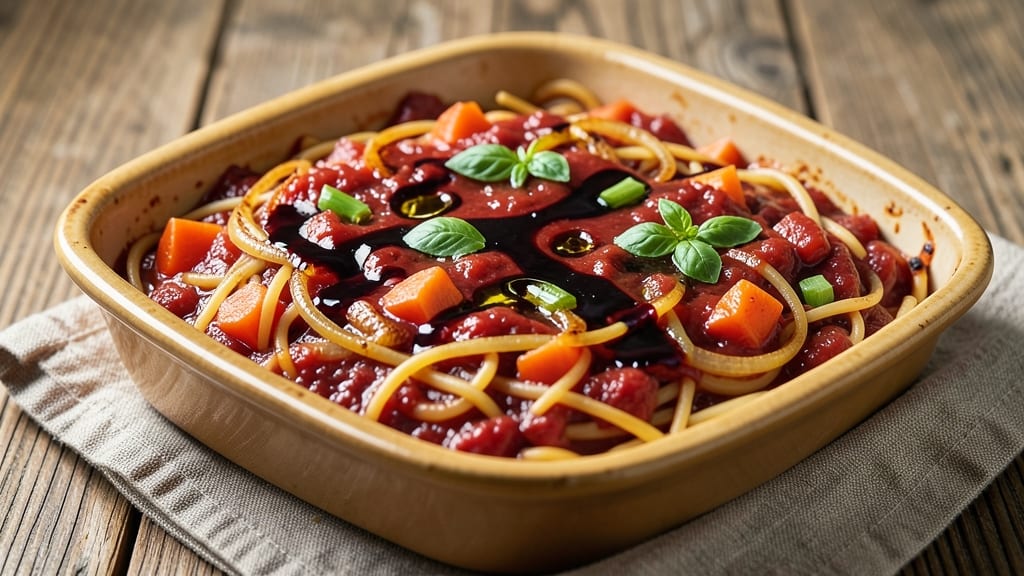
This baked spaghetti sauce recipe transforms simple ingredients into a rich, slow-simmered masterpiece with layers of umami and bright fresh herbs. The key lies in baking the sauce low and slow—allowing flavors to meld deeply while the tomatoes caramelize into a velvety texture.
I developed this version after years of testing, and it delivers restaurant-quality depth without the fuss of hours on the stove.
The foundation starts with crushed tomatoes, garlic, and aromatics that build flavor as they bake. Fresh basil and oregano add brightness, while a touch of red wine enhances complexity.
Unlike stovetop sauces that can reduce too quickly, this method creates a sauce that thickens naturally, clinging perfectly to pasta or lasagna layers.
What makes this sauce truly special is its versatility—use it as a weeknight pasta sauce, layer it in lasagna, or serve it with crusty bread for dipping. The baking process concentrates flavors, turning ordinary ingredients into something extraordinary.
Each bite delivers a balance of sweetness, acidity, and herbaceous freshness that keeps you reaching for more.
Best of all, this sauce tastes even better the next day as flavors continue to develop. Whether you're meal prepping for the week or preparing for a dinner party, this recipe ensures you'll have a sauce that's always ready to impress. Let’s get started on creating your own slow-simmered masterpiece.
Ingredients for baked spaghetti sauce
Twelve simple ingredients bake into a restaurant-quality sauce with deep umami and bright herbaceous notes.
| Ingredient | Amount | Notes |
|---|---|---|
| Crushed Tomatoes 🍅 | 28 oz | San Marzano preferred for sweetness |
| Garlic Cloves 🧄 | 4 cloves | Freshly minced for aromatic depth |
| Yellow Onion 🧅 | 1 whole | Diced, medium size preferred |
| Carrots 🥕 | 1 medium | Diced, adds natural sweetness |
| Celery Stalks 🌿 | 2 whole | Diced, classic mirepoix base |
| Red Wine 🍷 | ½ cup | Bold dry variety like Cabernet |
| Fresh Basil Leaves 🌿 | ½ cup | Chopped, for herbaceous brightness |
| Fresh Oregano Leaves 🌿 | ¼ cup | Chopped, Mediterranean flavor |
| Tomato Paste 🍅 | 2 tbsp | Squeeze tube preferred for ease |
| Extra-Virgin Olive Oil 🫒 | ¼ cup | For richness and balance |
| Salt 🧂 | 1 ½ tsp | Diamond Crystal kosher preferred |
| Ground Black Pepper 🌶️ | ½ tsp | Freshly cracked for heat |
| Sugar 🍚 | 1 tsp | Balances acidity naturally |
The tomatoes are non-negotiable—San Marzano gives that natural sweetness that stovetop sauces lack. Trader Joe's has great cans if you can't find them locally, but any high-quality crushed tomatoes work. Fresh herbs are worth the splurge here: basil and oregano from the grocery store's fresh section (not dried) make all the difference. The mirepoix of onion, carrot, and celery builds the aromatic base—don't skip this step. For the wine, any bold dry red works—Cabernet Sauvignon or Merlot are my go-tos, but whatever's open in your fridge will do.
No red wine? Beef broth with a splash of balsamic vinegar mimics the depth. Fresh herbs wilt fast, so dried oregano at one-third the amount works in a pinch, but fresh basil has no substitute. The tomato paste can be skipped if you're using extra-rich crushed tomatoes, but I've found the squeeze tubes from Trader Joe's are perfect—they're pre-measured and last forever. For the sugar, if you're using very ripe tomatoes, you might even skip it entirely. The carrots and celery can be swapped for frozen if needed, though fresh gives better texture.
This sauce only gets better with time—flavors peak after 2-3 days in the fridge. Portion into containers for easy lunches or freeze for up to 6 months. I always make a double batch: one for immediate use, one to freeze. The olive oil layer on top before refrigerating keeps the herbs vibrant longer. Leftovers reheat beautifully—just warm gently on the stove with a splash of water to loosen.
Why You'll Love This Recipe
- One-Pot Magic: I swear by this—just toss everything in one dish, no pots to wash. The onions and carrots soften into the sauce while the garlic infuses deep, and by the time it’s bubbling, my kitchen’s cleaner than when I started.
- Garlic Bomb Flavor: That first bite? Chef’s kiss. The crushed tomatoes mellow into sweetness, but the garlic—oh, the garlic—roasts until it’s caramelized at the edges, then melts into the sauce like a warm hug. (Yes, even on a Tuesday night.)
- Meal Prep MVP: This sauce begs to be made in bulk. Freezes like a dream, reheats perfectly, and turns a rushed weeknight into a cozy dinner in minutes. My freezer’s stocked with jars of this—because who has time for fresh every night?
- Budget-Friendly Staples: Onions, carrots, celery, tomatoes—these are the ingredients I always have. No fancy swaps needed. The sauce tastes rich and complex, but the grocery bill? Light as a feather. My wallet thanks me every time.
Step-by-step instructions for baked spaghetti sauce
Transform simple ingredients into a rich, layered sauce with deep umami flavor.
🍳 Step 1: Sauté the Vegetable Base
Heat the 0.25 cup Extra-Virgin Olive Oil in a large, deep skillet over medium heat. Add the 1 whole Yellow Onion, 1 medium Carrots, and 2 whole Celery Stalks, all diced into small, even pieces. Cook for 8-10 minutes, stirring occasionally, until the vegetables soften and the onion becomes translucent.
This foundational step develops the sauce's sweetness and depth. The vegetables should release their moisture and begin to caramelize slightly at the edges. If the pan starts to dry out, add a splash of water—but keep the heat steady to avoid burning. Once the vegetables are tender, add the 4 cloves Garlic Cloves, minced, and cook for an additional 1 minute until fragrant. Here's where the aromatics transform from raw to irresistibly savory.
🍳 Step 2: Build the Sauce with Tomatoes and Wine
Reduce the heat to medium-low and stir in the 28 oz Crushed Tomatoes, 2 tbsp Tomato Paste, and 0.5 cup Red Wine. Bring the mixture to a gentle simmer, then partially cover the skillet and let it cook for 20-25 minutes. This slow reduction allows the flavors to meld and the sauce to thicken naturally.
I like to stir occasionally, breaking up any tomato skins that rise to the surface. The wine will cook off completely, leaving behind a concentrated depth of flavor. If the sauce starts to stick, add a few tablespoons of water to keep it moving. You're aiming for a sauce that coats the back of a spoon but still has a silky texture—this balance ensures it clings beautifully to pasta.
🥘 Step 3: Season and Simmer to Perfection
Add the 1.5 tsp Salt, 0.5 tsp Ground Black Pepper, and 1 tsp Sugar to the simmering sauce. Stir well to distribute the seasonings evenly. Now, fold in the 0.5 cup Fresh Basil Leaves and 0.25 cup Fresh Oregano Leaves, both chopped. Let the sauce continue to simmer uncovered for another 10-15 minutes, until it thickens slightly and the flavors harmonize.
The sugar balances the acidity of the tomatoes, while the herbs brighten the dish with their fresh, vibrant notes. Taste the sauce as it simmers—this is your opportunity to adjust seasoning. If it needs more salt, add it gradually. If the acidity feels too sharp, a pinch more sugar will help. The goal is a sauce that's rich, balanced, and bursting with layered flavor. Once it reaches this point, it's ready for the final step.
🔥 Step 4: Bake for Concentrated Flavor
Transfer the sauce to a baking dish and cover it tightly with aluminum foil. Place the dish in a 375°F oven and bake for 30-40 minutes. The foil traps steam, allowing the sauce to gently cook and deepen in flavor without drying out.
Here's the thing—this baking step is what transforms a good sauce into an extraordinary one. The low, slow heat concentrates the flavors, mellows the acidity, and creates a texture that's velvety yet substantial. After baking, remove the foil and let the sauce simmer on the stovetop for an additional 5-10 minutes to reduce it further if needed. The sauce should be thick enough to coat the back of a spoon but still glide smoothly over pasta.
🍽️ Step 5: Rest and Serve
Let the sauce rest for 10-15 minutes before serving. This resting period allows the flavors to settle and the sauce to reach its ideal consistency. The herbs will infuse more deeply, and the sauce will become even more cohesive.
Serve the baked spaghetti sauce over freshly cooked spaghetti, garnished with additional fresh basil and a sprinkle of flaky sea salt. The sauce should cling to each strand of pasta, delivering a symphony of sweet, savory, and herby notes with every bite. If you've followed these steps, you'll have a sauce that's restaurant-quality—deep, complex, and full of umami richness.
Pro Tips For Making Baked Spaghetti Sauce
- SWEAT THE VEGETABLES FIRST: Chop the onion, carrots, and celery into ¼-inch dice—smaller than you think—and cook them in olive oil over medium-high heat until they’re deeply softened and just starting to caramelize (about 12-15 minutes). I learned this the hard way: skipping this step leaves your sauce with a raw, bitter edge, no matter how long you bake it later.
- CRUSH TOMATOES BY HAND: Skip the canned crushed tomatoes if you can—use fresh or high-quality whole San Marzano tomatoes, then crush them with your fingers or a wooden spoon right in the pot. This releases more juice and keeps the texture velvety smooth instead of grainy. (Yes, it’s messier, but the sauce tastes like it came from a nonna’s kitchen.)
- BROWN THE GARLIC: Once your veggies are sweating, add the minced garlic and cook it until it’s golden, not just fragrant—about 30 seconds to a minute. Burnt garlic ruins the whole dish, but perfectly browned garlic adds a nutty depth that turns your sauce from good to unforgettable. (And no, you don’t need to watch it like a hawk—just keep an eye on it.)
- BAKE LONG AND LOW: Resist the urge to rush—cover the sauce with foil and bake at 325°F (not 375°F) for at least 2 hours, stirring once halfway. The low heat breaks down the tomatoes into a rich, jammy consistency without scorching. I used to bake it uncovered for less time, and the sauce always ended up too thick or uneven. This method guarantees a silky, balanced flavor.
Pro cooking tips for perfect results
Low-and-Slow Baking
The secret to this sauce's depth lies in the 375°F oven bake for 30-40 minutes. Unlike stovetop simmering, baking creates a gentle, even heat that caramelizes the tomatoes and melds flavors without burning.
I use a deep baking dish (like a 9x13-inch Pyrex) to maximize surface area and even cooking. The foil trap keeps moisture in while allowing flavors to concentrate—this is what transforms ordinary ingredients into something extraordinary. 🔥
Herb Timing Matters
Fresh herbs like basil and oregano should be added late in the process—right before the final simmer. Adding them too early causes them to wilt into oblivion, losing their bright, vibrant flavor. I always chop them just before using and fold them in gently to preserve their aroma.
For extra freshness, reserve a few leaves to garnish after baking. Dried herbs can be used, but reduce to ⅓ the amount and add them during the stovetop simmer.
Wine Reduction Technique
The 0.5 cup red wine isn't just for flavor—it's a natural thickener and flavor enhancer. Let it cook off completely during the 20-25 minute simmer before baking. If you're avoiding alcohol, substitute with ½ cup beef broth + 1 tbsp balsamic vinegar.
The key is patience: rush this step, and you'll miss out on the concentrated umami depth that makes this sauce special. I like to stir occasionally to prevent sticking, but avoid over-mixing to preserve the sauce's natural texture.
Texture Control Tips
For a thicker sauce, bake uncovered for the last 10 minutes to reduce moisture. If it's too thick, loosen with 1-2 tbsp water or pasta water while reheating. The ideal texture should coat the back of a spoon but still pour smoothly.
I test consistency by dipping a spoon in—if it leaves a thick, glossy trail, it's perfect. For extra richness, stir in 1 tbsp butter at the end, but keep it optional to maintain balance.
Equipment Essentials
You don't need fancy tools, but a few basics make this recipe foolproof. A deep skillet (10-inch or larger) prevents spills during simmering, while a lightweight aluminum foil ensures even heat distribution in the oven.
I swear by a digital meat thermometer (like the ThermoWorks Smoke) to monitor sauce temperature if you're nervous about burning. For storage, glass containers with tight lids preserve flavor better than plastic. A fine-mesh strainer helps remove herb stems if you prefer a smoother texture.
Flavor Boost Shortcuts
No fresh herbs? A 1 tsp dried basil + ½ tsp dried oregano works in a pinch, but add them during the stovetop simmer. For extra umami, stir in 1 tsp fish sauce or ½ tsp soy sauce with the wine.
If your tomatoes taste bland, add ½ tsp smoked paprika or a pinch of red pepper flakes for depth. The sauce's versatility means you can tweak it based on what's in your pantry—just remember, high-quality tomatoes are non-negotiable for that authentic flavor. ✨
Nutrition facts
Frequently asked questions
Why bake spaghetti sauce instead of simmering it on the stove?
The baking method creates a gentler, more even heat that caramelizes the tomatoes and develops deeper flavors without burning. This slow process also helps thicken the sauce naturally while preserving its rich texture. The foil trap during baking concentrates flavors that stovetop simmering can't achieve.
Can I make this sauce without red wine?
Substitute with ½ cup beef broth + 1 tbsp balsamic vinegar for similar depth. The wine adds complexity, but this combo delivers the same umami richness. For extra flavor, add ½ tsp soy sauce or 1 tsp fish sauce when combining the substitute ingredients.
How do I adjust the thickness of the baked sauce?
For a thicker sauce, bake uncovered for the last 10 minutes to reduce moisture. If it's too thick, loosen with 1-2 tbsp water or pasta water while reheating. The ideal texture coats the back of a spoon but pours smoothly. Test by dipping a spoon in—if it leaves a glossy trail, it's perfect.
What's the best way to store and reheat leftovers?
Store in airtight glass containers in the fridge for up to 5 days or freeze for 6 months. Reheat gently on the stove with a splash of water or pasta water to restore texture. For best flavor, let it sit at room temperature for 5 minutes after reheating. The sauce tastes even better the next day!
Can I use this sauce for lasagna instead of pasta?
This sauce works perfectly for lasagna! Use it as your middle layer between noodles and cheese. The baking process has already thickened it to hold up well during baking. For extra richness, add a layer of ricotta or béchamel sauce between the tomato layers. The umami depth makes it ideal for layered dishes.