
Sauces & Condiments
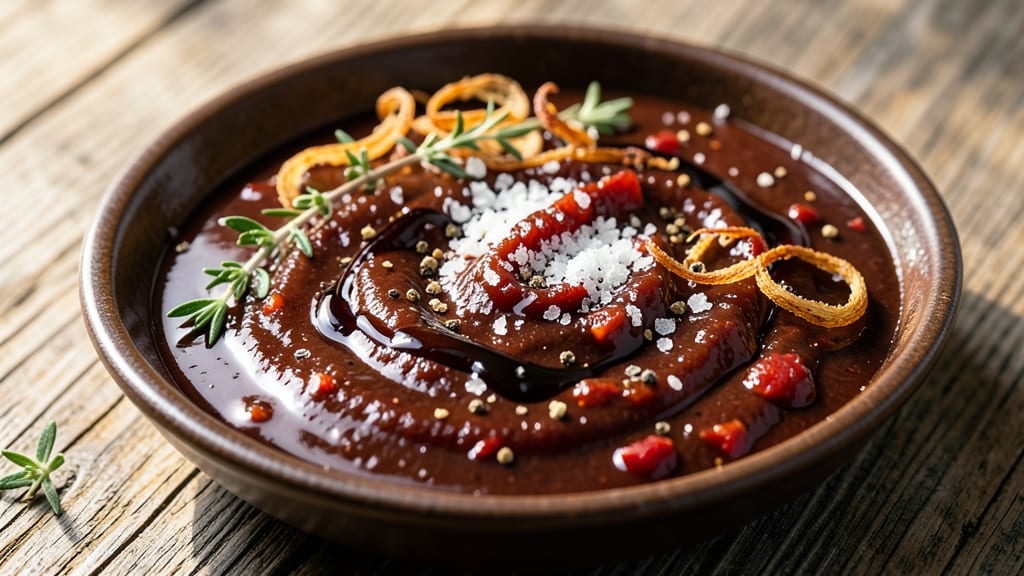
This balsamic barbecue sauce recipe transforms ordinary grilled meats into restaurant-worthy masterpieces with its deep caramelized sweetness and tangy kick. 🔥 I developed it after years of perfecting the balance between rich balsamic reduction and smoky barbecue flavors—now you can achieve that same depth at home without the fuss. The secret lies in slow reduction and layered spices that build complexity while keeping the sauce versatile for everything from ribs to roasted vegetables.
What sets this sauce apart is its perfect harmony of sweet, tangy, and smoky notes, achieved through a combination of balsamic vinegar, tomato paste, and a touch of brown sugar.
I've tested countless variations, and this one consistently delivers a glossy, clingy sauce that caramelizes beautifully when glazed over hot coals or broiled. The slow simmer process allows the flavors to meld while developing that signature depth that separates great barbecue sauce from good.
Once you taste this sauce, you'll understand why it's become my go-to for grilling, glazing, or even dipping. It's rich enough to stand up to bold flavors but balanced enough to complement delicate dishes. The best part?
It keeps well in the refrigerator for up to two weeks, so you can make a big batch and have it ready whenever the craving strikes—or when you're hosting a backyard cookout and want to impress your guests with that signature smoky-sweet aroma.
This versatile sauce works equally well on ribs, chicken, pork chops, or even as a glaze for roasted vegetables. The key is in the reduction process—don't rush it. That patience pays off in layers of flavor that turn simple grilled meats into showstopping centerpieces.
Let's get started on creating your own batch of this crowd-pleasing, award-worthy sauce.
Ingredients for balsamic barbecue sauce
Eleven ingredients, infinite possibilities for smoky-sweet grilling magic.
| Ingredient | Amount | Notes |
|---|---|---|
| Balsamic Vinegar 🍷 | 1 cup | High-quality aged balsamic preferred |
| Tomato Paste 🍅 | ½ cup | Smooth, not chunky |
| Brown Sugar 🍚 | ½ cup | Light or dark, packed |
| Apple Cider Vinegar 🍎 | ¼ cup | For extra tang |
| Smoked Paprika 🌶️ | 1 tbsp | For smoky depth |
| Dried Thyme 🌿 | 1 tsp | Or 1 tbsp fresh |
| Garlic Powder 🧄 | 1 tsp | Freshly ground preferred |
| Onion Powder 🧅 | 1 tsp | For aromatic base |
| Black Pepper 🌶️ | ½ tsp | Freshly cracked |
| Salt 🧂 | 1 tsp | Kosher or sea salt |
| Water 💧 | ½ cup | For thinning consistency |
The balsamic vinegar makes or breaks this sauce. Look for aged balsamic—the darker, thicker stuff with that rich caramelized aroma. Trader Joe's and Whole Foods carry great options, but even a good supermarket bottle works if it's not watery. The tomato paste? Rao's or Muir Glen are my go-tos—they're smooth and pack serious tomato flavor. Brown sugar adds depth, but don't use the fancy raw kind here—regular light or dark works best. Pro tip: Toast your spices lightly in a dry pan before adding them to the sauce—this brings out their flavors and gives you that professional depth.
No balsamic vinegar? Substitute with extra apple cider vinegar plus 1 tbsp maple syrup—it won't be identical, but it'll get you close. Short on tomato paste? Crushed tomatoes work in a pinch, but strain out the seeds first for a smoother texture. Want more smokiness? Add 1/4 tsp liquid smoke or swap the smoked paprika for regular paprika plus 1/2 tsp smoked sea salt. The sauce should be thick but pourable—if it's too stiff, add water 1 tbsp at a time. If it's too thin, simmer uncovered for 5-10 minutes to reduce. This sauce is incredibly versatile—use it on ribs, chicken, pork, or even drizzle it over roasted veggies.
Store in a clean glass jar with a tight seal. Keeps in the fridge for 2 weeks—the flavors actually improve with time. For longer storage, freeze in ice cube trays for perfect single-use portions. Reheat gently on the stove or in the microwave until warm. A little goes a long way—1/4 cup is plenty for glazing a rack of ribs. Double the batch if you're hosting; guests will disappear with it. The sauce thickens as it cools, so don't worry if it looks perfect when you first make it—it'll be just right when you're ready to use it.
Why You'll Love This Recipe
- Pantry Magic: I swear by this sauce because it uses what I already have—no special shopping needed. That deep balsamic tang, the smoky paprika, and a touch of brown sugar? It’s like a flavor upgrade without the hassle.
- Sweet-Smoky Bomb: The brown sugar caramelizes just enough to balance the sharpness of the apple cider vinegar, while the smoked paprika adds this unexpected depth. It’s not just sweet—it’s complex, like a grown-up BBQ sauce.
- Double-Duty Sauce: Slather it on ribs for Sunday dinner, drizzle it over grilled veggies for a weeknight meal, or toss it with roasted potatoes. Honestly, I’ve even used it as a marinade for chicken—once, twice, now a habit.
- Makes More Than You Think: A single batch stretches across three meals (trust me, I’ve tracked it). Store it in the fridge, and it only gets better over time—like a flavorful secret weapon that won’t break the bank.
Step-by-step instructions for balsamic barbecue sauce
Here's how to create a rich, caramelized sauce with perfect balance of sweetness and tang.
🍳 Step 1: Combine Base Ingredients in a Saucepan
Place the 1 cup balsamic vinegar, 0.5 cup tomato paste, 0.5 cup brown sugar, and 0.25 cup apple cider vinegar in a medium saucepan. I like to use a heavy-bottomed pan for even heat distribution—this prevents burning while we develop the flavors. Stir everything together until the sugar and tomato paste are fully incorporated, creating a smooth base mixture.
Here's the thing—don't worry if the sugar doesn't dissolve completely yet. As we heat the mixture, it will gradually break down into a glossy syrup. Keep the pan over medium heat and let it come to a gentle simmer, stirring occasionally to prevent sticking. You'll see the mixture thicken slightly as the sugars begin to caramelize.
🔥 Step 2: Simmer and Caramelize for Depth of Flavor
Once the mixture reaches a gentle simmer, reduce the heat to medium-low and let it cook uncovered for 15-20 minutes. This is where the magic happens—you'll notice the sauce darkening and thickening as the sugars caramelize. Stir occasionally to prevent a skin from forming on top and to ensure even cooking.
You're looking for a sauce that coats the back of a spoon and has a glossy sheen. If it starts to get too thick before reaching this point, add 1-2 tablespoons of water to loosen it slightly. The caramelization process is what gives this sauce its deep, complex flavor—don't rush it. The aroma will become rich and sweet, with hints of balsamic tang.
👨🍳 Step 3: Add Spices and Aromatics
After the initial caramelization, stir in the 1 tbsp smoked paprika, 1 tsp dried thyme, 1 tsp garlic powder, 1 tsp onion powder, 0.5 tsp black pepper, and 1 tsp salt. These spices will infuse the sauce with layers of smoky, earthy, and savory flavors. Mix well to distribute them evenly throughout the sauce.
Let the spiced sauce simmer for another 5-7 minutes to allow the flavors to meld together. You'll notice the aroma becoming more complex—smoky from the paprika, herbal from the thyme, and aromatic from the garlic and onion powders. This is where the sauce transforms from sweet to perfectly balanced with tangy, savory depth.
⏰ Step 4: Finish with Water and Rest
Remove the sauce from heat and stir in the 0.5 cup water. This final addition helps thin the sauce to a perfect consistency—thick enough to coat but still pourable. Taste and adjust the seasoning if needed, adding a pinch more salt or a splash of apple cider vinegar if you want to enhance the tang.
Let the sauce rest for 10 minutes before using. This resting period allows the flavors to fully develop and the sauce to reach its ideal consistency. The sauce will thicken slightly as it cools, so if you plan to use it immediately, you can add a little more water to loosen it up. This balsamic barbecue sauce is now ready to elevate grilled meats, roasted vegetables, or even drizzle over fresh mozzarella.
Pro Tips For Making Balsamic Barbecue Sauce
- Simmer Low and Slow: I used to rush this sauce and end up with a thin, vinegary mess. Drop the heat to medium-low once everything’s combined—this lets the balsamic and sugar meld into something rich, not just a glaze. Twenty minutes is the magic number; stir occasionally so it doesn’t stick.
- Deglaze First, Then Sweeten: If you’re using a pan, add a splash of apple cider vinegar before tossing in the brown sugar. The vinegar loosens any caramelized bits stuck to the bottom, giving your sauce depth instead of a gritty texture. (Yes, even if you’re impatient like me.)
- Balance the Vinegars: Balsamic and apple cider vinegar are both strong—taste them separately first. If the balsamic tastes too sharp, add a teaspoon more brown sugar. If the apple cider overpowers, swap in a splash of water or even a pinch of salt to round it out. Trust your tongue, not the recipe.
- Skip the Pre-Mixed Tomato Paste: The canned stuff works, but for a smoother sauce, blend your own quick paste: simmer 1 cup crushed tomatoes for 10 minutes, then strain. It cuts down on lumps and makes the sauce taste fresher. (I know, 10 minutes feels like forever—but it’s worth it.)
Serving suggestions for this dish
Grilled Meats Perfection
This sauce is a game-changer for grilled ribs, chicken, and pork chops. Brush it on in the last 5-10 minutes of cooking to create a glossy caramelized crust.
For ribs, I like to apply it after the first 2-hour smoke session, then wrap them in foil for another 2 hours before finishing with the sauce. The balsamic tang cuts through the richness of pork beautifully. 🔥
Roasted Vegetable Glaze
Don't limit this sauce to meats—it's fantastic on roasted vegetables too. Toss halved Brussels sprouts, asparagus, or sweet potatoes with 1 tablespoon olive oil, then drizzle with 2 tablespoons sauce before roasting at 425°F for 20-25 minutes.
The caramelized edges and smoky notes make even simple veggies feel gourmet. I often serve this as a side when grilling steaks.
Dipping Sauce Magic
Serve this sauce warm as a dipping sauce for fried chicken, mozzarella sticks, or even fries. I like to thin it slightly with 1 tablespoon water for a more dip-friendly consistency.
For extra fun, add crumbled blue cheese or chopped fresh cilantro to the side for guests to mix in. It's become a crowd-pleaser at my backyard cookouts.
Pasta & Pizza Topping
Use this sauce as a bold pasta sauce—toss it with cooked penne or rigatoni and top with grated Parmesan and fresh basil. For pizza, spread it thinly on pre-baked crust, then add mozzarella and prosciutto before finishing under the broiler.
The smoky-sweet flavors work surprisingly well in these Italian classics.
Breakfast Twist
Yes, you read that right—this sauce is amazing on breakfast foods! Drizzle it over grilled pancakes or French toast for a sweet-savory surprise. I also use it as a glaze for bacon-wrapped dates stuffed with goat cheese.
The tangy-sweet combo wakes up your taste buds in the best way possible. 💫
Cheese Board Companion
Don't overlook this sauce for cheese boards! Pair it with creamy burrata, sharp cheddar, or aged Gouda alongside fresh fruit like peaches or figs.
The sweetness of the fruit balances the tangy sauce beautifully. I often serve it chilled in a small bowl with crackers for an elegant appetizer.
Nutrition facts
Frequently asked questions
Can I make this sauce without balsamic vinegar?
Yes, but you'll lose that signature depth. Try substituting with 1/4 cup extra apple cider vinegar plus 1 tablespoon maple syrup for a similar tangy-sweet profile. For smokiness, add 1/2 teaspoon liquid smoke or an extra 1/2 teaspoon smoked paprika. The texture will be slightly thinner, but it'll still work well for glazing.
How do I prevent my sauce from getting too thick?
Add 1 tablespoon water at a time while simmering if it thickens too quickly. The key is patience—don't rush the 15-20 minute reduction time. For extra insurance, use a heavy-bottomed pan to prevent burning. If it's still too thick after cooling, thin with a splash of water or apple cider vinegar before using.
Can I use this sauce on non-meat dishes?
This versatile sauce works beautifully on roasted vegetables, pasta, pizza, and even as a breakfast glaze. For veggies, toss them with olive oil and sauce before roasting. On pasta, toss with cooked noodles and fresh basil. The smoky-sweet flavors surprise and delight in unexpected places!
Why does my sauce taste too sweet?
Balance it with more acid! Add 1-2 teaspoons apple cider vinegar or a pinch of salt to cut through the sweetness. The sauce should have a perfect harmony of sweet, tangy, and smoky notes. If you prefer less sweetness next time, reduce the brown sugar to 1/4 cup and increase the vinegar to 1/3 cup total.
How long can I store this sauce?
Store in an airtight glass jar in the fridge for up to 2 weeks. The flavors actually improve with time! For longer storage, freeze in ice cube trays for perfect single-use portions. Thaw overnight in the fridge before using. The sauce thickens as it cools, so you can always thin it with water when ready to use.