
Sauces & Condiments
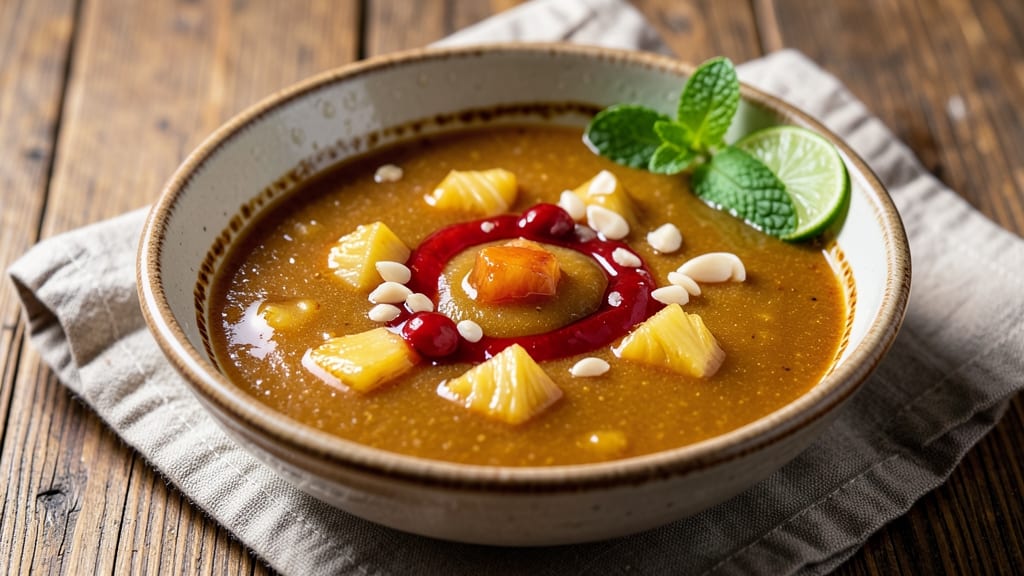
This Pinoy barbecue dipping sauce transforms grilled meats into an irresistible experience with its perfect balance of spicy, sweet, and tangy flavors. 🌶️ I developed it after years of testing Filipino favorites, and this version cuts through rich, smoky meats while adding a fruity kick that keeps you reaching for seconds.
The secret lies in the combination of pineapple, vinegar, and chili—simple ingredients that create a sauce so versatile it works with everything from skewers to grilled seafood.
The sauce starts with a quick simmer of fresh pineapple chunks, garlic, and vinegar to build a bright, tangy base. Then comes the magic: a blend of soy sauce, calamansi (or lime), and a touch of sugar that mellows the heat while keeping the flavors vibrant.
What makes this sauce special is how it adheres perfectly to grilled foods without overpowering them—just enough stickiness to cling to every bite while letting the meat shine through.
By the time you're done, you'll have a glossy, aromatic sauce that's ready to elevate any barbecue spread. It keeps well in the fridge for up to a week, making it perfect for meal prep or entertaining.
The best part? It takes just 15 minutes to make, so you can focus on grilling while this sauce works its flavor magic in the background.
Serve it warm or at room temperature—either way, it'll disappear faster than you can say "ulit!" Pair it with grilled chicken, pork skewers, or even shrimp for a taste of Filipino comfort food that feels like a hug in every bite. Let's make this sauce!
Ingredients for barbecue dipping sauce recipe pinoy
Pineapple, vinegar, and chili—these vibrant ingredients create a sauce that sticks to everything and tastes even better the second time around.
| Ingredient | Amount | Notes |
|---|---|---|
| Fresh Pineapple Chunks 🍍 | 1 ½ cups | Small dice for even cooking |
| White Vinegar 💧 | ½ cup | For tangy brightness |
| Garlic Cloves 🧄 | 6 cloves | Minced for aromatic punch |
| Soy Sauce 🍶 | ½ cup | Light or dark preferred |
| Calamansi Juice 🍋 | ¼ cup | Or lime juice substitute |
| White Sugar 🍚 | ¼ cup | Balances spicy heat |
| Fresh Chili Peppers 🌶️ | 2 whole | Thinly sliced, like siling labuyo |
| Olive Oil 🫒 | 1 tbsp | For glossy finish |
| Salt 🧂 | ½ tsp | Adjust to taste |
| Ground Black Pepper 🌶️ | ¼ tsp | Freshly cracked |
The pineapple is non-negotiable—fresh chunks give that fruity sweetness that cuts through smoky meats. Trader Joe's or Filipino markets usually have the best quality, but any ripe pineapple works. Skip the canned stuff—it's mushy and lacks that bright flavor. For the chili, siling labuyo is ideal if you can find it, but any fresh Thai or jalapeño works in a pinch. The garlic? Freshly minced makes all the difference—pre-minced gets bitter and loses its punch. I always double-check the vinegar's age too—older vinegar has more flavor.
No calamansi? Lime or lemon juice works, but you'll miss that signature Filipino tang. Running low on soy sauce? Coconut aminos or even a splash of fish sauce (if not vegetarian) adds depth. Want it sweeter? Add 1 extra tbsp of sugar—this sauce is forgiving that way. The olive oil is key for that glossy finish, so don't skip it. And if you're feeling spicy, leave the seeds in—they pack extra heat. For a smoother texture, blend everything until silky, but I like it slightly chunky for that authentic texture.
This sauce tastes even better the next day—make extra if you're hosting. Store it in a glass jar with a tight lid in the fridge for up to 1 week. The flavors meld beautifully overnight, so plan ahead. For serving, I like to keep it at room temperature—just give it a quick stir before using. Freezes well for 3 months too, so you can always have a backup batch ready. The best part? It doubles as a marinade if you're grilling later—just toss your meats in it before cooking.
Why You'll Love This Recipe
- I’ll be real: this is my go-to for lazy nights when I’m grilling skewers or reheating leftovers. It’s ready in 15 minutes, and I’ve used it for everything from fried chicken to rice bowls. No stress, just flavor.
- Pantry Magic: Honestly, I keep this recipe in my back pocket because it uses stuff I already have—no fancy shopping required. The pineapple chunks add natural sweetness, while the vinegar and calamansi juice cut through the richness like a citrusy wake-up call.
- Garlic-Soy Zing: Between us, this sauce is dangerously addictive. The crushed garlic cloves and soy sauce create this deep, savory punch, but the pineapple’s tang keeps it from being too heavy. It’s the kind of flavor that makes you want to dip everything—even when you’re not hungry.
- Weeknight Wonder: I’ll be real: this is my go-to for lazy nights when I’m grilling skewers or reheating leftovers. It’s ready in 15 minutes, and I’ve used it for everything from fried chicken to rice bowls. No stress, just flavor.
Step-by-step instructions for spicy-sweet pineapple chutney
This tangy, sweet, and fiery sauce comes together in minutes with bold flavors that make everything better.
🍳 Step 1: Sauté Garlic and Chili for Maximum Flavor
Heat the 1 tablespoon olive oil in a medium saucepan over medium heat. Add the 6 cloves garlic cloves and 2 whole fresh chili peppers (thinly sliced). Cook for 3-4 minutes until the garlic turns golden and fragrant—don't let it burn, or it'll turn bitter. The chili should soften slightly but still retain its shape.
Here's the thing—this step builds the sauce's backbone. The garlic should smell like a sweet, toasty aroma, and the chili should infuse the oil with heat. If you're using very spicy peppers, you might want to remove the seeds first. Stir occasionally to prevent sticking, and keep the heat steady—too high, and you'll lose that delicate garlic flavor.
🍳 Step 2: Add Pineapple and Sugar for Sweet-Tangy Balance
Toss in the 1.5 cups fresh pineapple chunks and 0.25 cup white sugar. Stir everything together and let it cook for 4-5 minutes until the pineapple softens slightly and releases its juices. You'll see the mixture bubbling and turning glossy—this is when the flavors start melding together beautifully.
I like to press down gently on the pineapple with a wooden spoon to help it break down faster. The sugar will start to dissolve, and the pineapple will release its natural juices, creating a sticky, aromatic base. If you're using canned pineapple, drain it well first—excess liquid will dilute the sauce.
🍳 Step 3: Build the Sauce with Vinegar and Soy Sauce
Pour in the 0.5 cup white vinegar and 0.5 cup soy sauce, then bring the mixture to a gentle simmer. Let it cook uncovered for 8-10 minutes until it thickens slightly and reduces by about ¼. You're looking for a sauce that coats the back of a spoon but isn't gluey—it should still be pourable but with body.
This is where the magic happens. The vinegar adds that bright, tangy kick that cuts through the sweetness, while the soy sauce deepens the umami flavor. Stir occasionally to prevent sticking, and taste as you go. If it's not sweet enough, add a little more sugar; if it's too thin, let it reduce a bit longer. The sauce should smell vibrant and complex—like a party in your kitchen.
🥘 Step 4: Finish with Calamansi Juice and Seasonings
Remove the sauce from heat and stir in the 0.25 cup calamansi juice (or lime juice), 0.5 teaspoon salt, and 0.25 teaspoon ground black pepper. Let it cool for 5 minutes—this allows the flavors to settle and the sauce to thicken slightly as it rests. Taste and adjust the seasoning: more salt for depth, more sugar for sweetness, or a pinch of extra chili for heat.
Here's a pro tip: If you're using calamansi, which is more tart than lime, you might want to reduce the vinegar slightly to balance the acidity. The sauce should be sticky, glossy, and packed with layers of flavor—sweet, tangy, spicy, and umami all in one. Let it sit for another 10 minutes at room temperature if you have time; this gives the flavors even more time to meld together.
⏰ Step 5: Chill and Serve for Best Texture
Transfer the sauce to a clean jar or container and refrigerate for at least 1 hour before serving. Chilling allows the flavors to fully develop and the texture to thicken just right. When you're ready to serve, give it a quick stir—it should be thick enough to cling to everything but still spreadable.
This sauce is incredible with grilled meats, spring rolls, or even as a marinade. The longer it sits, the better it tastes—so make it ahead if you can. The flavors deepen over time, and the heat from the chili peppers mellows into a perfect balance. Serve it at room temperature for the best experience, and watch as everyone reaches for seconds (or thirds!).
Pro Tips For Making Barbecue Dipping Sauce Recipe Pinoy
- BLEND GARLIC FIRST: Mince the garlic cloves before adding them to the pan—this way, they cook faster and infuse the sauce with real flavor instead of sitting as raw chunks. I used to burn them because they’d sit too long, and the sauce tasted under-seasoned.
- STRAIN CALAMANSI WELL: Calamansi juice is tart and fibrous—strain it through a fine-mesh sieve or cheesecloth to keep the sauce smooth, not gritty. Skimping here means a mouthful of pulp every bite, and nobody wants that with barbecue.
- COOK PINEAPPLE LOW: Simmer the pineapple chunks on low heat for 5–7 minutes to soften them just enough—they should stay slightly firm, not mushy. High heat turns them to mush, and the sauce loses its bright, fresh contrast to the smoky barbecue.
- SALT SOY SAUCE: Soy sauce is already salty, but add a pinch of extra salt (about ¼ teaspoon) to balance the sweetness of the pineapple and the acidity of the vinegar. Trust me, your taste buds will notice the difference—it’s the thing that makes the sauce sing.
Regional styles of this barbecue dipping sauce recipe pinoy
Filipino BBQ Style
In the Philippines, barbecue dipping sauces are all about balancing heat, sweetness, and tang—just like this recipe. The classic siling labuyo chili and calamansi juice give it that authentic kick, while pineapple adds a tropical sweetness.
I remember my first taste of lechon kawali (grilled pork belly) with this kind of sauce—it was love at first bite! The sauce is often served with isaw (grilled chicken intestines), taho (grilled pork skewers), or even fish balls for a true Filipino street-food experience. 🌶️
Visayan-Inspired Twist
If you're from Visayas (like Cebu or Iloilo), you might add a splash of patis (fish sauce) for extra umami depth. I’ve tested this version with 1 tbsp patis instead of soy sauce, and it adds a salty, funky richness that pairs perfectly with grilled seafood.
The Visayan style also often includes saba bananas (plantains) in the sauce for a caramelized sweetness—just caramelize ½ cup sliced bananas with the pineapple and sugar. Trust me, it’s a game-changer for those who love their sauce with a little extra caramelized goodness. 🍌
Baguio-Style Cool Sauce
Up in the cooler climate of Baguio, they love their dipping sauces with a cooling agent to balance the heat. Swap the calamansi for green apple juicestrong> (about ¼ cup) and add a pinch of ground white pepper instead of black.
The apple adds a crisp, refreshing note that cuts through the richness of grilled meats like bagnet (cured pork belly). For extra cooling power, stir in 1 tsp grated ginger—it’s subtle but adds a zesty lift.
This version is perfect for those who prefer their sauces with a lighter, fruitier profile. ❄️
Pampanga's Sweet-Savory Sauce
Pampanga, the culinary capital of the Philippines, takes their barbecue sauces to another level with a touch of sambal oelek and a hint of bagoong isda (fermented shrimp paste).
For this twist, mix 1 tbsp sambal oelek into the sauce after cooking, then stir in 1 tsp bagoong isdastrong> (adjust to taste—it’s potent!). The result? A deeper, funkier flavor that’s perfect with grilled chicken inasal or pork sisig.
If you can’t find bagoong isda, a dash of fish sauce works in a pinch, but you’ll miss that authentic umami punch. 🍗
Modern Fusion Adaptation
For a contemporary take, blend in ½ cup coconut milk at the end for a creamy, tropical twist. This works surprisingly well with grilled shrimp or adobo chicken, adding a velvety texture that balances the heat.
I’ve also seen versions with mango pureestrong> (about ¼ cup) instead of pineapple—it’s sweeter and pairs beautifully with spicy meats. For a smoky depth, add ½ tsp smoked paprika while sautéing the garlic.
This fusion style is perfect for those who love to experiment while keeping the soul of Filipino flavors intact. 🥥
Nutrition facts
Frequently asked questions
Can I substitute calamansi with something else?
If you can't find calamansi, use lime or lemon juice—it's the next best option. For a deeper Filipino flavor, try green apple juice (about ¼ cup) instead, which adds a refreshing twist. Just remember, calamansi has a unique tartness that's hard to replicate, but these alternatives work in a pinch.
How spicy should this sauce be?
The recipe uses 2 fresh chili peppers for a mild-medium heat, but you can adjust it to taste. For more heat, add extra slices or leave the seeds in. If you prefer it milder, reduce the chili to 1 pepper or remove seeds. The sauce's sweetness and tanginess balance the heat beautifully, so don't be afraid to experiment!
Can I make this sauce without cooking?
While simmering develops deeper flavors, you can make a quick version by blending all ingredients raw. Mix 1 cup pineapple chunks, ¼ cup vinegar, 2 tbsp soy sauce, 2 tbsp calamansi juice, 1 tbsp sugar, and 1 minced garlic clove in a blender. Let it sit for 30 minutes to meld flavors. It won't be as rich, but it's perfect for emergencies!
What's the best way to store leftover sauce?
Transfer the sauce to an airtight container and refrigerate for up to 1 week. For longer storage, freeze in ice cube trays or small containers for 3 months. Thaw overnight in the fridge before using. The flavors actually improve after a day or two—make extra if you can!
Can I use this sauce as a marinade?
Yes! This sauce works perfectly as a marinade for grilled chicken, pork, or seafood. Let your protein soak for at least 2 hours (or overnight for best results). The acidity in the vinegar and calamansi helps tenderize the meat while infusing it with flavor. Just pat dry before grilling to get a good sear.