
Sauces & Condiments
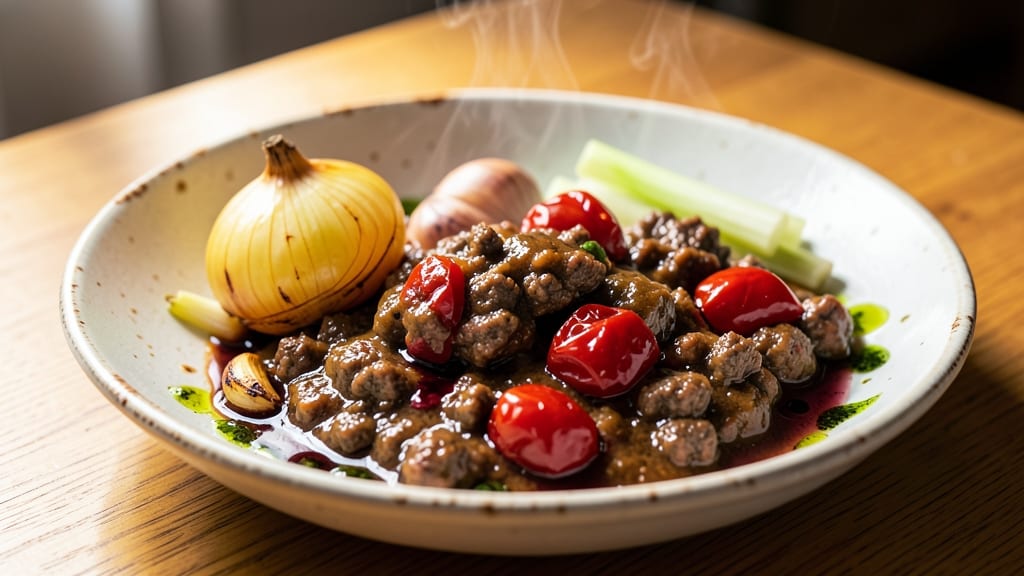
Inspired by Ina Garten’s iconic Barefoot Contessa meat sauce, this slow-simmered tomato masterpiece delivers deep, rich flavor with just the right balance of herbs and acidity.
The secret lies in browning the meat thoroughly and letting it develop over low heat—a technique that transforms simple ingredients into something extraordinary. This isn’t just a sauce; it’s the heart of any Italian-American meal, whether tossed with al dente pasta or served over creamy polenta.
The foundation starts with ground chuck or beef, browned to a deep mahogany color for maximum flavor, then deglazed with red wine to dissolve those precious browned bits. Aromatics like garlic, onions, and celery build the base, while canned San Marzano tomatoes and fresh basil add brightness and complexity.
The sauce simmers low and slow, allowing the flavors to meld into a velvety, tomato-forward masterpiece that’s far from the heavy, one-dimensional versions you might find elsewhere.
What sets this recipe apart is the attention to detail—like adding a Parmesan rind for umami depth or finishing with a splash of balsamic vinegar for brightness. The result? A sauce so rich and aromatic it feels like a restaurant-quality dish, yet simple enough for a weeknight dinner.
Whether you’re feeding a family or prepping for leftovers, this meat sauce is the kind of recipe that becomes a staple in your rotation.
Pair it with freshly cooked pasta, crusty bread, or even as a topping for grilled chicken. The beauty of this sauce is its versatility—it’s hearty enough for a main dish but elegant enough for a special occasion.
Let’s get cooking and bring a taste of Ina’s kitchen to your table.
Ingredients for barefoot contessa meat sauce
Sixteen ingredients transform into Ina Garten's signature rich, aromatic meat sauce.
| Ingredient | Amount | Notes |
|---|---|---|
| Ground Chuck Beef 🥩 | 1 ½ lb | 80/20 fat ratio preferred |
| Yellow Onion 🧅 | 1 whole | Diced, about 1.5 cups |
| Celery Stalks 🥬 | 3 whole | Diced, about 1 cup |
| Garlic Cloves 🧄 | 4 cloves | Minced, about 1 tbsp |
| Canned San Marzano Tomatoes 🍅 | 28 oz | Crushed by hand or blender |
| Dry Red Wine 🍷 | ½ cup | Bold Cabernet Sauvignon preferred |
| Fresh Basil Leaves 🌿 | ½ cup | Packed, stems removed |
| Parmesan Cheese Rind 🧀 | 1 piece | About 1-inch thick |
| Extra-Virgin Olive Oil 🫒 | 2 tbsp | For initial browning |
| Balsamic Vinegar 🍶 | 1 tbsp | For finishing touch |
| Kosher Salt 🧂 | 1 ½ tsp | Diamond Crystal preferred |
| Freshly Ground Black Pepper 🌶️ | ½ tsp | Cracked peppercorns preferred |
| Dried Oregano 🍃 | 1 tsp | Mexican oregano preferred |
| Tomato Paste 🍅 | 2 tbsp | High-quality, no sugar added |
The ground chuck is non-negotiable here—80/20 fat ratio ensures deep flavor and velvety texture. Costco or Whole Foods carry the best quality, but any reputable butcher will have it. Look for bright red color and visible fat marbling. For the aromatics, Trader Joe's sells pre-diced onion and celery mixes that save time, though fresh is always better. The San Marzano tomatoes are worth the splurge—La Bufala or Mutti brands deliver authentic sweetness and acidity balance. If using a different brand, check for no added salt or preservatives, which can overpower the sauce's delicate flavor profile.
No red wine on hand? Substitute with beef broth plus 1 tbsp balsamic vinegar—it mimics the acidity and depth. Fresh basil is ideal, but dried basil at one-third the amount works in a pinch (though texture suffers). For the Parmesan rind, any aged cheese will do—Parmigiano-Reggiano is traditional, but Pecorino Romano adds a sharper note. The tomato paste can be skipped if you prefer a lighter sauce, but it adds umami richness that's hard to replicate. If using pre-minced garlic, toast it in olive oil first to deepen its flavor—this simple step makes a noticeable difference.
This sauce tastes even better the next day as flavors meld. Store in an airtight container in the fridge for up to 5 days, or freeze for 3 months in portion-sized containers. For best results, reheat gently on low heat, stirring occasionally. The Parmesan rind can be reused once or twice—simply rinse and pat dry between uses. Fresh basil wilts quickly, so store it in a jar of water in the fridge like flowers, or freeze it in olive oil for later use. Double the batch and freeze half—this sauce is always better when made ahead.
Why You'll Love This Recipe
- One-Pot Magic: I swear by this—no extra pans, no fuss. Brown the beef, toss in the onions, celery, and garlic, then let the San Marzano tomatoes take over. Twenty minutes later, you’ve got a simmering pot that smells like heaven and requires zero cleanup beyond a single spoon.
- Garlic Bomb: That moment when you crush fresh garlic into the sauce? Chef’s kiss. The Barefoot Contessa version leans hard on it, and the sweetness of the San Marzano tomatoes balances the heat perfectly. It’s the kind of flavor that makes you pause mid-bite—like, “Wait, why am I eating this alone?”
- Pasta Party: Need a weeknight win? This sauce is your best friend. Slap it over spaghetti for dinner, freeze half for lazy Mondays, or even toss it with polenta or roasted potatoes. My kids fight over it—no exaggeration—and it’s the only sauce my picky husband won’t complain about.
- Budget Hero: Ground chuck is cheap, canned tomatoes last forever, and you’re not wasting anything. That celery and onion base adds depth without breaking the bank. Honestly, it’s the kind of recipe that makes me feel like I’m feeding a crowd without stressing my grocery budget.
Step-by-step instructions for slow-simmered tomato meat sauce
Master this classic technique for a rich, velvety sauce with deep flavor and perfect texture.
Brown the Ground Chuck Thoroughly
Heat the 2 tablespoons extra-virgin olive oil in a large Dutch oven over medium-high heat. Add the 1.5 pounds ground chuck beef in batches, breaking it apart with a wooden spoon as it browns. This step is critical—it develops the deep meaty flavor that forms the sauce's foundation.
Cook undisturbed for 3-4 minutes until the beef loses its raw color and develops a rich brown crust. Only then should you break it apart with your spoon. If the pan gets too crowded, work in batches to ensure proper browning. Once fully browned, transfer the beef to a plate and set aside. The remaining browned bits in the pan will become your sauce's flavor base.
Sauté the Aromatic Vegetables
In the same Dutch oven, reduce heat to medium and add the diced yellow onion and diced celery stalks. Cook for 5-6 minutes until softened and beginning to caramelize. This process releases their natural sweetness and deepens the sauce's complexity.
Add the minced garlic cloves and cook for 30 seconds until fragrant. Be careful not to let the garlic burn—it should smell sweet and pungent, not bitter. Stir in the 2 tablespoons tomato paste and cook for another 1 minute, stirring constantly to prevent burning. This creates a rich, concentrated flavor that will serve as the sauce's backbone.
Deglaze and Simmer the Sauce
Pour in the ½ cup dry red wine and scrape up all the browned bits from the bottom of the pan with a wooden spoon. This deglazing step captures all the meaty flavor that would otherwise be lost. Let the wine simmer for 3-4 minutes until it reduces by half and the alcohol cooks off.
Add the 28 ounces crushed San Marzano tomatoes, 1.5 teaspoons kosher salt, ½ teaspoon freshly ground black pepper, and 1 teaspoon dried oregano. Stir well to combine. Bring the mixture to a gentle simmer, then reduce heat to low and add the 1-inch parmesan cheese rind. The rind will slowly melt into the sauce, adding a subtle umami depth that's essential for authentic flavor.
Slow Cook to Develop Richness
Return the browned beef to the pot and stir to combine. The sauce should be just below a simmer—gentle bubbles at the edges, but not a rolling boil. Cover and cook for 1½ to 2 hours, stirring occasionally. This slow cooking allows the flavors to meld and develop that signature meat sauce richness.
Check the seasoning after 1 hour and adjust if needed. The sauce should be thick enough to coat the back of a spoon but still have a slightly loose consistency. If it's too thick, add ¼ cup water to loosen it. The cheese rind will have mostly dissolved by now, adding its umami essence to the sauce.
Finish with Fresh Basil and Balsamic
Remove the cheese rind pieces and discard them. Stir in the ½ cup fresh basil leaves and 1 tablespoon balsamic vinegar. The basil should be added just before serving to preserve its bright, fresh flavor. The balsamic vinegar adds a subtle sweetness that balances the acidity of the tomatoes.
Taste and adjust seasoning one final time. The sauce should be rich, slightly sweet, and properly balanced with acidity and salt. Serve immediately over al dente pasta or use as a filling for lasagna. This sauce keeps well in the refrigerator for up to 5 days, with flavors deepening over time.
Pro Tips For Making Barefoot Contessa Meat Sauce
- CRISPY MEAT FIRST: The Barefoot Contessa recipe calls for browned beef, but don’t rush it—spread that ground chuck in a single layer and let it develop a deep crust before stirring. I used to crowd the pan and end up with gray, greasy meat instead of rich, flavorful bites.
- SWEAT THE AROMATICS: Slice onions and celery into ¼-inch pieces (no smaller) and cook them low and slow until they’re soft but not browned. Skipping this step means your sauce will taste raw and sharp—like you just dumped veggies into tomato sauce without letting them meld.
- TOMMY UP THE TOMATOES: Drain those San Marzano tomatoes twice if they’re extra juicy—once before crushing and again after simmering. The extra effort keeps the sauce thick and velvety instead of watery, and trust me, you’ll notice the difference when you’re spooning it over pasta.
- SAVE THE GARLIC: Add the minced garlic after the onions and celery have softened but before the tomatoes hit the pan. This keeps it from burning into bitterness—something I learned the hard way when my sauce tasted like a charred campfire instead of Italian comfort food.
Pro cooking tips for perfect results
Master the Browning
Browning the ground chuck is where all the magic happens—don’t rush this step! Use a large Dutch oven (I love my All-Clad) and cook the meat in small batches over medium-high heat to avoid steaming.
Let it develop a deep, mahogany crust before stirring. This Maillard reaction creates complex flavors that no shortcut can replicate. If your pan gets too crowded, spread the meat out and work in batches. 🔥
Deglaze Like a Pro
After browning, scrape up every last bit of those flavorful browned bits with a wooden spoon—this is called deglazing, and it’s non-negotiable. Use ½ cup bold red wine (like Cabernet Sauvignon) and let it reduce by half before adding tomatoes.
The alcohol will cook off, leaving behind rich, concentrated flavor. If you’re avoiding alcohol, substitute with beef broth + 1 tbsp balsamic vinegar for a similar effect.
Low and Slow Wins
Resist the urge to rush the simmering process. Cover the pot and cook on low heat for 1½ to 2 hours, stirring occasionally. This slow cooking allows the sauce to develop depth and body without breaking down the tomatoes into mush.
If the sauce gets too thick, add ¼ cup water to loosen it—just enough to coat the back of a spoon. Patience here is key; the longer it simmers, the richer the flavor. ⏳
Cheese Rind Secret
The Parmesan rind is Barefoot Contessa’s signature trick—don’t skip it! Tuck one into the sauce while it simmers, and it’ll slowly melt, infusing the sauce with umami richness without altering the texture. Remove it before serving, but leave its flavor behind.
If you can’t find a rind, grate ½ cup Parmesan cheese directly into the sauce in the last 10 minutes of cooking for a similar effect.
Finish with Freshness
Add the fresh basil and balsamic vinegar in the last 5 minutes of cooking—this preserves the basil’s bright, fresh flavor and adds a touch of sweetness to balance the acidity. Taste and adjust seasoning one final time, then serve immediately over al dente pasta or creamy polenta.
The sauce will only get better as it sits, so make extra and store it in the fridge for up to 5 days—it’s even more flavorful the next day! 🌿
Equipment Shortcuts
No Dutch oven? A large, heavy-bottomed pot (like Le Creuset) works just as well. For faster prep, use pre-minced garlic and pre-diced onion/celery from Trader Joe’s—just toast the garlic first to deepen its flavor.
If you’re short on time, simmer the sauce in a slow cooker on low for 4-5 hours, but stir occasionally to prevent sticking. The key is low and slow—never high heat! 💡
Nutrition facts
Frequently asked questions
Can I use ground beef instead of ground chuck?
Ground chuck (80/20 fat ratio) is ideal for its rich flavor and texture, but you can substitute with 80% lean ground beef if that's all you have. The higher fat content in chuck creates a more velvety sauce, but leaner beef will still work—just expect slightly less richness. Avoid extra-lean ground beef (90%+ lean) as it can make the sauce dry.
How do I make this sauce without wine?
No problem! Replace the ½ cup red wine with ½ cup beef broth plus 1 tablespoon balsamic vinegar. This combo mimics the acidity and depth of wine while keeping the sauce flavorful. For even more richness, add 1 teaspoon soy sauce or Worcestershire sauce to the broth mixture.
Why does my sauce taste too acidic?
Acidity often comes from overcooking the tomatoes or using too much balsamic vinegar. Balance it by adding ½ teaspoon sugar or 1 tablespoon tomato paste to mellow the acid. For a richer taste, stir in 1 tablespoon butter or a splash of heavy cream at the end. Always taste as you go—adjust gradually!
Can I make this sauce in a slow cooker? Brown the meat in a skillet first, then transfer everything to the slow cooker. Cook on low for 4-5 hours (high heat will make the sauce too thin). Stir occasionally and add water as needed to maintain consistency. The slow cooker method works especially well for busy days—just
What's the best way to store leftovers?
Let the sauce cool completely, then transfer to an airtight container. It keeps in the fridge for 5 days and freezes beautifully for 3 months. For reheating, warm gently on low heat or in the microwave (covered) until bubbly. The sauce actually improves overnight as flavors meld—perfect for meal prep!