
Sauces & Condiments
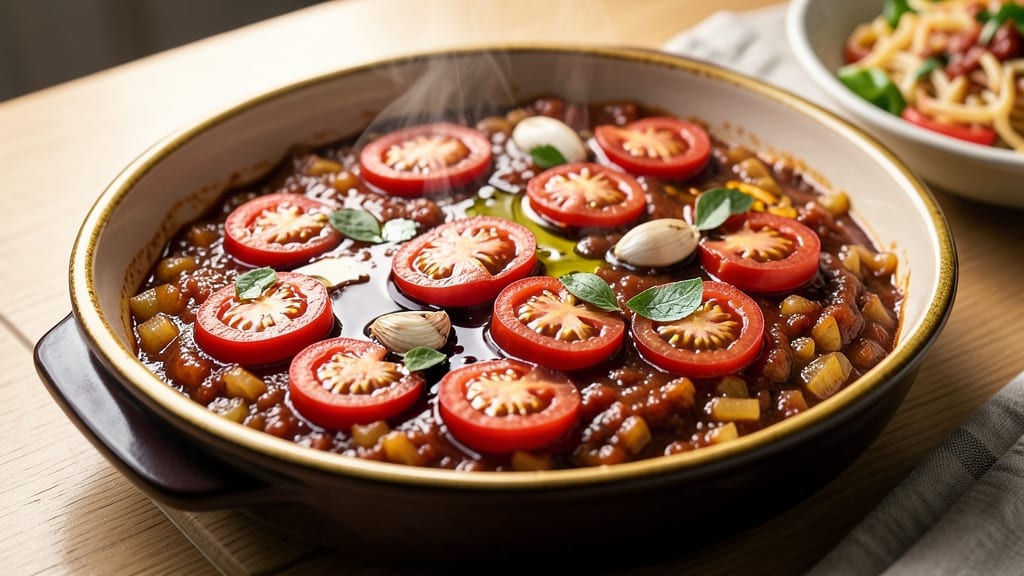
This freezer spaghetti sauce recipe with fresh tomatoes transforms summer's bounty into rich, vibrant flavor that lasts for months—no watery texture or bland aftertaste. I developed this recipe after years of freezing homemade sauces, and the secret lies in proper simmering and blending techniques that preserve both texture and depth. The fresh tomatoes create a bright, balanced base that freezes beautifully without losing its natural sweetness.
The process is straightforward but essential: blend fresh tomatoes with aromatics, then simmer for hours to develop complex flavors. This isn't just about freezing—it's about creating a sauce that tastes better after thawing than many store-bought versions.
The key is controlling moisture content and acidity, which prevents separation and maintains that restaurant-quality consistency you crave.
What you'll end up with is a deep red sauce with layers of tomato sweetness, herbaceous notes, and just enough acidity to brighten every bite. It freezes perfectly in airtight containers for up to 6 months, ready to transform a quick pasta dinner into something special.
The texture remains velvety after thawing, and the flavor actually deepens over time—proof that homemade always wins.
Perfect for meal prepping, holiday gifting, or stocking your freezer for those busy nights when fresh ingredients aren't an option. Let's make sauce that lasts as long as it tastes amazing.
Ingredients for freezer spaghetti sauce recipe with fresh tomatoes
Fresh tomatoes and bold aromatics create a sauce that freezes beautifully while keeping vibrant flavor.
| Ingredient | Amount | Notes |
|---|---|---|
| Fresh Tomatoes 🍅 | 4 lbs | Ripe, vine-ripened preferred |
| Yellow Onion 🧅 | 2 whole | Medium, diced finely |
| Garlic Cloves 🧄 | 8 cloves | Fresh, minced thoroughly |
| Extra-Virgin Olive Oil 🫒 | ½ cup | High-quality, fruity |
| Dry Red Wine 🍷 | 1 cup | Bold, like Cabernet Sauvignon |
| Tomato Paste 🍅 | ½ cup | High-quality, no sugar added |
| Fresh Basil Leaves 🌿 | 1 cup | Packed, stems removed |
| Fresh Oregano Leaves 🍃 | ¼ cup | Packed, finely chopped |
| Kosher Salt 🧂 | 1 ½ tsp | Diamond Crystal preferred |
| Black Pepper 🌶️ | ½ tsp | Freshly ground preferred |
The tomatoes are the heart of this sauce, so pick the ripest, juiciest ones you can find—vine-ripened or heirloom varieties work best. Hit up your local farmers market in summer for the sweetest flavor, or grab the San Marzano canned tomatoes from Whole Foods if you're making this outside peak season. The onion and garlic should be fresh too—no wilting or sprouting. For the wine, any bold, dry red works here—Cabernet Sauvignon, Merlot, whatever's open. The tomato paste? Buy the canned kind—none of that squeeze tube nonsense. It's worth the extra $2 for the quality.
No fresh basil? Dried oregano at half the amount will work in a pinch, but fresh is ideal. Running low on wine? Substitute extra tomato juice or beef broth—just add a splash of vinegar to balance. The olive oil matters here—use something you'd drizzle on bread. Those peppery, assertive oils can overpower everything, so stick with a mild, fruity extra-virgin. For the herbs, if you're using dried, measure carefully—they're more concentrated than fresh. The sauce will deepen in flavor as it freezes, so don't over-salt it upfront.
This sauce freezes like a dream—portion it into airtight containers with at least 1-inch headspace. It'll keep for 6 months in the freezer without losing texture or flavor. For best results, let it cool completely before freezing. When you're ready to use it, thaw it in the fridge overnight. No defrosting needed—just pop it in the microwave for 2 minutes to loosen it up. The texture stays velvety after thawing, and the flavor actually improves over time—proof that homemade always wins.
Why You'll Love This Recipe
- No-Chop Nightmare: I swear by this sauce because the onions and garlic get a quick sauté in olive oil until they’re just soft—not mushy, not raw—while the tomatoes blister in the same pan. Honestly, the wine deglazing alone cuts my prep time in half, and the fresh tomatoes add that bright acidity that store-bought sauce can’t touch.
- Wine-Infused Depth: That splash of dry red wine? It’s not just for flavor—it actually builds layers. The alcohol cooks off, leaving behind a rich, almost earthy sweetness that balances the tomatoes’ natural tang. I’ll be real: my first batch tasted like a fancy restaurant dish, and I’d had zero expectations.
- Freezer MVP: This sauce thrives in the freezer—no weird separation, no sad texture. I make a double batch on Sundays, freeze half, and pull it out for lazy nights or when company drops by. The fresh tomatoes hold up beautifully, and reheating it? Just a splash of water, 10 minutes on low heat, and it’s better than takeout.
- Budget Booster: Fresh tomatoes and onions are cheaper than canned, and the olive oil and wine stretch farther than you’d think. I’ve fed six people for under $15 with this, and the leftovers? They turn into next-day sandwiches or a quick pasta toss. No waste, all flavor—exactly what I need.
Step-by-step instructions for freezer spaghetti sauce with fresh tomatoes
Here's how to transform fresh garden tomatoes into a rich, vibrant sauce that freezes beautifully.
Prep and Sauté the Aromatics
Heat the 0.5 cup extra-virgin olive oil in a large Dutch oven over medium heat. Add the 2 whole yellow onion, diced finely, and cook for 5-6 minutes until softened and translucent. Here's the thing—you want them to become sweet and caramelized without browning, so keep an eye on them.
Add the 8 cloves garlic cloves, minced thoroughly, and cook for 30 seconds until fragrant. Don't let the garlic brown or it'll turn bitter. This aromatic base forms the flavor foundation for your entire sauce, so take your time with this step. The onions should be tender enough to mash between your fingers when pressed.
Cook the Tomatoes and Build Depth
Add the 4 lbs fresh tomatoes, chopped into ½-inch pieces, to the pot. Stir well to combine with the onions and garlic. Let the mixture simmer uncovered over medium-high heat for 15-20 minutes, stirring occasionally. You'll notice the tomatoes break down and release their juices, creating a thick, chunky sauce.
Here's where the magic happens: the tomatoes should reduce until they form a thick, syrupy consistency with some small chunks remaining. This process concentrates their natural sweetness and develops their flavor. If the sauce gets too thick before the tomatoes break down completely, add 2-3 tablespoons of water to help it along.
Incorporate Wine, Paste, and Herbs
Pour in the 1 cup dry red wine and scrape up any browned bits from the bottom of the pot with a wooden spoon. This deglazing step captures all the flavor that would otherwise stick to your pot. Let the wine simmer for 5 minutes until it reduces by half and the alcohol cooks off.
Stir in the 0.5 cup tomato paste and cook for 2-3 minutes until it darkens slightly and blends smoothly. Add the 1 cup fresh basil leaves and 0.25 cup fresh oregano leaves, chopped finely. The herbs should wilt slightly but remain vibrant. This is when your sauce starts to take on that classic Italian depth—rich, complex, and full of herbal brightness.
Season and Simmer to Perfection
Add the 1.5 teaspoons kosher salt and 0.5 teaspoon black pepper. Taste the sauce and adjust the seasoning if needed—this is your chance to balance the flavors before freezing. The sauce should be well-seasoned but not overly salty, with a bright acidity from the tomatoes and a rich, wine-infused depth.
Simmer the sauce uncovered over low heat for 30-45 minutes, stirring occasionally. You're looking for a sauce that's thick enough to coat the back of a spoon but still has some body. The tomatoes should be completely broken down, and the sauce should have a glossy sheen. If it's too thin, simmer longer; if too thick, add a splash of water or pasta water to loosen it.
Cool and Freeze for Long-Term Storage
Remove the sauce from heat and let it cool completely at room temperature. This step is crucial—hot sauce can create steam in the freezer, which leads to ice crystals and freezer burn. Once cooled, transfer the sauce to freezer-safe containers, leaving about ½-inch headspace at the top to allow for expansion.
Label the containers with the date and contents, then freeze for up to 3 months. When you're ready to use it, thaw it in the refrigerator overnight. The sauce will thicken slightly after freezing, so you may want to add a splash of water or broth when reheating to restore its original consistency. This method preserves all the vibrant flavors and makes your homemade pasta nights effortless.
Pro Tips For Making Freezer Spaghetti Sauce Recipe With Fresh Tomatoes
- SIMMER LOW AND SLOW: After the wine cooks off, drop the heat to a bare simmer—no boiling. I used to rush this, and the sauce would turn watery when reheated. A gentle bubble at 180°F (82°C) keeps the tomatoes from breaking down into mush and concentrates the flavor. Trust me, your future freezer meals will taste fresher.
- PEEL AND DESEED TOMATOES: Skip the whole tomatoes and peel, core, and seed them first. The skins turn rubbery when frozen, and the seeds add sliminess. Cut them into even ½-inch chunks so they thaw uniformly. (Yes, it’s more work upfront—but your sauce won’t be a watery sludge after three months.)
- DEGLAZE WITH WINE FIRST: Don’t just dump the wine after browning the onions and garlic—let it sizzle for 30 seconds first. This pulls up those caramelized bits stuck to the pot, giving your sauce depth. Then add the tomatoes. (I learned this the hard way when my freezer sauce tasted bland.)
- SALT THE TOMATOES: Toss the chopped tomatoes with 1 teaspoon of salt and let them sit for 10 minutes before cooking. This draws out moisture, preventing a thin sauce later. Rinse briefly if you’re worried about saltiness—your sauce will still be richer. (This isn’t just for canning; it works for freezing too.)
Regional styles of freezer spaghetti sauce recipe with fresh tomatoes
Italian Grandma's Style
This is how my nonna used to make sauce in her tiny kitchen in Sicily—simmered low and slow until the tomatoes melt into a velvety consistency. The key is patience: let it cook for at least 2 hours to develop that deep, caramelized flavor.
I add a pinch of red pepper flakes at the end for subtle heat, just like she did. The secret? Never rush the simmering—this is where Italian sauce gets its soul. 🍝
Pacific Northwest Twist
Here in Portland, I love adding local foraged mushrooms (like chanterelles or oyster) sautéed with the onions for an earthy depth. Swap the red wine for Pinot Noir—it's what we drink here—and finish with fresh thyme from my garden.
The acidity from local heirloom tomatoes balances perfectly with the region's cool climate flavors. Trust me, this version tastes like summer all year. 🌿
Texas-Style Bold
For a smoky kick, add ½ cup beef broth and 1 tbsp smoked paprika when you incorporate the wine. Texans love their sauces rich and hearty, so I also include ½ lb ground beef browned separately and stirred in at the end.
The result? A sauce with enough depth to stand up to big, chewy pasta like rigatoni. Perfect for feeding a crowd! 🔥
Vegetarian Protein Boost
Make this sauce even more freezer-friendly by adding 1 cup cooked lentils or ½ cup crumbled tempeh during the final simmer. Both hold up beautifully when frozen and add satisfying texture.
The lentils work especially well—they absorb the sauce's flavors like a sponge. This version keeps for up to 6 months without losing its hearty quality. 💪
Southern Comfort Version
Inspired by my Ohio roots, I sometimes add ½ cup diced bell peppers and 1 tsp hot sauce (like Crystal) to the aromatics. The sweetness of the peppers balances the acidity, while the hot sauce gives it that familiar Southern kick.
This version pairs perfectly with baked mac and cheese—a true comfort food combo. The flavors only get better after thawing! 🌶️
Nutrition facts
Frequently asked questions
Can I use canned tomatoes instead of fresh for freezing?
For the best texture, use San Marzano canned tomatoes (drained well) and add 1 extra tablespoon tomato paste to compensate for lower moisture content. The sauce will still freeze beautifully, though fresh tomatoes create a brighter, more vibrant flavor. If using canned, reduce simmering time by 10-15 minutes since they're already partially broken down.
How do I prevent freezer burn on my spaghetti sauce?
Use airtight, freezer-safe containers with ½-inch headspace at the top to allow for expansion. Wrap containers tightly in plastic wrap or aluminum foil before freezing, then place in a sealed freezer bag. For extra protection, add a layer of parchment paper between containers. The key is minimizing air exposure—this keeps your sauce looking and tasting fresh for months.
Can I freeze this sauce with meat or mushrooms?
Yes, but handle proteins carefully! Brown ½ lb ground beef or 8 oz mushrooms separately first, then stir into the sauce during the final 10 minutes of simmering. For freezing, use freezer bags instead of containers—they're more flexible when thawing. Meat/mushroom sauces freeze for up to 3 months (vs 6 months for veggie-only versions). Always thaw in the fridge to prevent bacterial growth.
Why does my thawed sauce taste different?
This is normal! The sauce may taste slightly more concentrated after freezing because some water content crystallizes. To restore balance, add 1-2 tablespoons water or broth when reheating. The acidity from tomatoes and wine actually deepens during freezing, creating more complex flavors. If it seems too thick, simmer uncovered for 5 minutes to reduce excess moisture. The texture should still be velvety, not watery.
Can I freeze individual portions for quick meals?
Perfect for meal prep! Portion into 1-cup servings (about 2 servings per person) using silicone molds or ice cube trays, then transfer to freezer bags. Label with dates—these portions keep for 3 months. When ready to use, simply reheat in a pot with 1 tablespoon pasta water to loosen. This makes weeknight dinners effortless without sacrificing quality.