
Sauces & Condiments
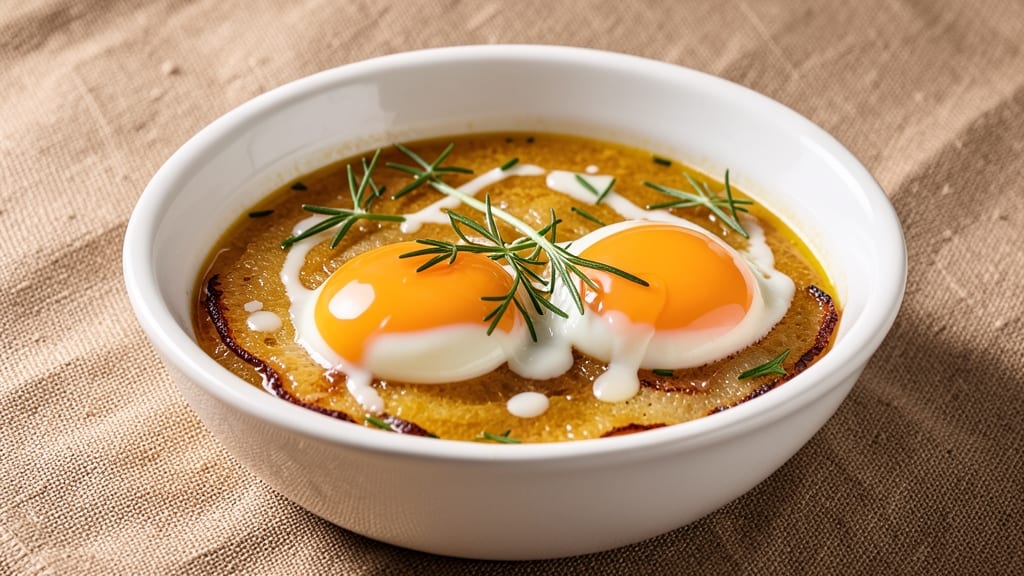
This Knorr Béarnaise sauce recipe delivers the velvety, herb-infused richness that elevates steak, fish, and vegetables to restaurant-quality. The secret lies in the emulsion—egg yolks, butter, and vinegar work together to create that signature silky texture while tarragon and peppercorns add depth.
I've perfected this version to ensure it's foolproof, even for beginners, with a method that avoids common pitfalls like breaking the sauce.
The foundation of great Béarnaise starts with a properly reduced vinegar-shallot mixture, which forms the flavor base before the eggs and butter come into play. This reduction removes the harshness of vinegar while concentrating the shallot's sweetness, creating a balanced flavor profile.
The key technique is tempering the yolks gradually with warm vinegar reduction, then slowly incorporating melted butter to create that luxurious, velvety consistency.
What you'll achieve is a rich, golden sauce with a perfect balance of tangy, herby, and buttery flavors that coats proteins beautifully. The sauce maintains its emulsification even when reheated, making it ideal for serving alongside grilled steaks, poached fish, or roasted vegetables.
This recipe delivers professional results without requiring advanced culinary skills or expensive equipment.
Once mastered, you'll find this sauce transforms simple dishes into gourmet meals. The best part? It keeps well in the refrigerator for up to 3 days, allowing you to make a batch ahead for multiple meals.
Let's create this classic sauce that's sure to become a staple in your cooking repertoire.
Ingredients for knorr bearnaise sauce
Ten essential ingredients transform simple proteins into restaurant-quality dishes with this velvety Béarnaise.
| Ingredient | Amount | Notes |
|---|---|---|
| White Wine Vinegar 🍷 | ½ cup | High-quality, aged variety preferred |
| Shallots 🧅 | 2 whole | Finely minced, vibrant color |
| Unsalted Butter 🧈 | 1 cup | Cold, cut into small cubes |
| Large Egg Yolks 🥚 | 3 whole | Fresh, room temperature |
| Fresh Tarragon 🌿 | ¼ cup | Finely chopped, stems removed |
| Fresh Chives 🌱 | 0.1 cup | Finely chopped, for garnish |
| Black Peppercorns 🌶️ | ½ tsp | Freshly cracked, coarse grind |
| Diamond Crystal Kosher Salt 🧂 | ½ tsp | Fine grain preferred |
| Granulated Sugar 🍚 | ½ tsp | For shallot reduction |
| Heavy Cream 🥛 | ¼ cup | Optional, for extra richness |
The foundation begins with white wine vinegar—opt for aged varieties like Champagne vinegar for depth. Whole Foods or specialty liquor stores carry premium options, but even the grocery store's basic white wine vinegar works if it's fresh. Shallots should be vibrant and firm; avoid any with green sprouts or soft spots. For tarragon, fresh is non-negotiable—dried lacks the anise notes that define Béarnaise. The butter must be unsalted and cold when added to prevent breaking the emulsion. If you can't find fresh tarragon, dried tarragon at one-third the amount is a poor substitute but will work in a pinch.
No fresh tarragon? Fresh basil or thyme at half the amount can mimic some of the herbal brightness, though purists will notice the difference. Substitute heavy cream with an additional 2 tbsp of butter if you prefer a lighter texture. For the vinegar reduction, granulated sugar helps caramelize the shallots slightly for added depth. If you accidentally break the sauce, whisk in 1 tsp of warm water to re-emulsify. The key to success lies in slow, steady incorporation of the butter—never let the mixture boil once the yolks are added.
Store any leftovers in an airtight container with a thin layer of plastic wrap pressed directly onto the sauce to prevent a skin from forming. Keeps for 3 days in the refrigerator, though it's best used within 24 hours for peak texture. For longer storage, transfer to a freezer-safe container and freeze for up to 1 month. Reheat gently over a double boiler, whisking constantly until smooth. The sauce thickens as it cools, so adjust consistency with warm water if needed.
Why You'll Love This Recipe
- Foolproof Emulsion: I’ve burned enough béchamel to know this sauce is forgiving. The double boiler method means no scrambled yolks—just a silky, golden ribbon of flavor that actually holds together. (Yes, even when I rush.)
- Tarragon Magic: That bright, anise-like tarragon punch cuts through the richness of the butter, making every bite taste like a fancy bistro. Honestly, I’d argue it’s the star—just a handful of fresh leaves transforms this from basic to chef’s special.
- Steakhouse in Minutes: Slather it on grilled steak, roasted chicken, or even mashed potatoes—suddenly, weeknight dinners feel like a splurge. Between us, my kids now ask for it on their burgers. (I don’t tell them it’s “fancy.”)
- Leftovers That Last: The vinegar keeps it fresh in the fridge for days, and it reheats like a dream. I’ve used a jar’s worth over three meals without sacrificing texture—proof that good sauce doesn’t have to disappear after one night.
Step-by-step instructions for perfect bearnaise sauce
Master this classic French sauce with precise technique and professional results every time.
Create the Shallot-Vinegar Reduction
Combine the 0.5 cup white wine vinegar, 2 whole shallots (finely minced), 0.5 teaspoon granulated sugar, and 0.5 teaspoon Diamond Crystal kosher salt in a small saucepan. Bring to a gentle simmer over medium-low heat, then reduce until the mixture thickens to about 2 tablespoons—this should take roughly 8-10 minutes. The reduction should be syrupy and glossy, with the shallots completely softened and caramelized.
Here's the thing—don't rush this step. You want the shallots to break down completely, releasing their sweetness and melding with the vinegar. If you see any liquid remaining, continue reducing until it reaches the desired consistency. Strain the mixture through a fine-mesh sieve into a clean bowl, pressing gently to extract every last drop of flavor. This forms the aromatic base of your sauce.
Melt the Butter and Infuse with Herbs
Cut the 1 cup unsalted butter into small cubes and place them in a heatproof bowl. Set this bowl over a pot of barely simmering water (double boiler method) to melt the butter gently. Once fully melted, remove from heat and stir in the 0.25 cup finely chopped fresh tarragon and 0.5 teaspoon freshly cracked black peppercorns. Let the mixture steep for 5 minutes to infuse the butter with herb flavor.
This infusion step is critical—it transforms ordinary butter into the rich, aromatic foundation of bearnaise. The gentle heat ensures the butter doesn't brown or burn, while the herbs steep just enough to impart their essence without becoming bitter. Keep the mixture warm but not hot during this process, as high heat can destroy delicate herb flavors.
Temper the Egg Yolks
In a separate bowl, whisk together the 3 whole large egg yolks until they're pale and slightly thickened. Slowly ladle in about 1/4 cup of the warm herb-infused butter while whisking constantly. This gradual addition prevents the eggs from scrambling. Once incorporated, return the mixture to the double boiler and cook over low heat, stirring continuously with a wooden spoon, until it reaches 160°F on an instant-read thermometer.
The reason we temper the yolks is to gently cook them without risking curdling. You'll notice the mixture will thicken noticeably as it warms. This is normal—keep stirring to ensure even heating. If the sauce begins to separate, immediately remove it from heat and whisk vigorously to recombine. The goal is a smooth, velvety emulsion that's thick enough to coat the back of a spoon.
Combine and Emulsify
Remove the egg mixture from heat and let it cool slightly for 1 minute. Then, very slowly, whisk in the remaining 3/4 cup herb-infused butter, drop by drop at first, then in a thin stream. This gradual incorporation is what creates the signature silky texture. Once all the butter is incorporated, whisk in the shallot-vinegar reduction and 0.25 cup heavy cream (if using) until fully combined and smooth.
This is where the magic happens—the emulsion forms as the fat and liquid phases merge. If the sauce breaks (separates), don't panic. Simply whisk in 1 teaspoon hot water to help re-emulsify. The final sauce should be glossy, thick enough to coat the back of a spoon, and perfectly balanced between tangy, herby, and rich flavors. Taste and adjust seasoning with additional salt or pepper if needed.
Finish and Serve
Strain the finished sauce through a fine-mesh sieve into a clean saucepan to remove any herb stems or potential curdled bits. Place over low heat and keep warm, stirring occasionally, until ready to serve. For garnish, sprinkle with the 0.1 cup finely chopped fresh chives just before serving. The sauce should maintain its velvety texture when drizzled over steak or fish.
Remember, bearnaise sauce is best served immediately. If needed, you can reheat gently over low heat, stirring constantly to prevent separation. The sauce should cling beautifully to proteins, adding layers of flavor with each bite. This technique delivers restaurant-quality results in your own kitchen—no shortcuts, just precise execution.
Pro Tips For Making Knorr Bearnaise Sauce
- Whisk Like You Mean It: Bearnaise isn’t the time for lazy stirring—you’re emulsifying yolks and butter, not making soup. Whisk vigorously in a steady, circular motion over low heat until the sauce thickens to a glossy, paint-like consistency. I used to rush this, and the sauce would break like a bad relationship—now I commit to 3-4 minutes of nonstop motion.
- Sweat Shallots Dry: No one likes a watery base. Finely minced shallots should sweat in the butter until they’re translucent and all moisture has evaporated—this takes 5-7 minutes, not 2. Skip this, and your sauce will taste like sad, diluted vinegar. (Yes, even if you’re impatient like me.)
- Temper the Eggs: Cold yolks + hot butter = scrambled disaster. Before adding the butter to the yolk mixture, warm the yolks slightly by whisking them into the vinegar-shallot base first. This gradual temperature dance keeps the eggs from curdling—trust me, you don’t want to fish curds out of your sauce.
- Butter in Tablespoons: Drizzle the butter in slowly—one tablespoon at a time—while whisking like your life depends on it. Dumping it all in at once is how you end up with a greasy, broken mess. (And no, "a little more butter" isn’t an excuse to skip this step.) The sauce should thicken visibly between each addition.
Essential equipment for this recipe
Double Boiler Essentials
A proper double boiler is your secret weapon for Béarnaise—it ensures gentle, even heating that prevents curdling. I recommend the OXO Good Grips Stainless Steel Double Boiler for its precise temperature control and easy cleanup.
If you don't own one, create your own by placing a heatproof bowl over a saucepan filled with 1-2 inches of simmering water. Never let the water touch the bowl to avoid steam explosions. 🌡️
Whisk Mastery
Your whisk is the most critical tool—Ball Jar Whisks are my go-to for Béarnaise because their ball-shaped ends create perfect emulsification. The OXO Good Grips Balloon Whisk is another excellent choice with its ergonomic handle and durable silicone coating.
Avoid thin, flexible whisks—they won't provide enough force to properly emulsify the butter into the egg yolks. Keep a second whisk handy for quick fixes if the sauce breaks.
Fine-Mesh Sieve
A fine-mesh sieve (like the OXO Good Grips Strainer) is essential for straining both the shallot reduction and final sauce. This removes any herb stems or potential curdled bits that could ruin the silky texture.
I like the stainless steel mesh versions because they're durable and won't clog with fine particles. Press gently with a spoon to extract every last drop of flavor from your reductions—this makes all the difference in depth of flavor.
Instant-Read Thermometer
An instant-read thermometer (I use the ThermoWorks Thermapen ONE) is non-negotiable for perfect Béarnaise. You need to monitor the egg yolk mixture until it reaches 160°F—this ensures proper thickening without scrambling.
The probe should be thin (like the Thermapen's) to easily fit into small bowls. Without this tool, you risk overcooking the eggs or undercooking them, both of which can break the emulsion. 💡
Heatproof Bowls
Use two heatproof glass or stainless steel bowls—one for the egg yolks and one for the butter infusion. I prefer CorningWare for its even heat distribution and durability. Avoid plastic bowls as they can warp from heat or react with acidic ingredients.
The bowls should be deep enough to accommodate stirring without spilling, especially when you're adding butter gradually during emulsification.
Microplane for Shallots
A Microplane (like the OXO Good Grips Microplane) is perfect for finely mincing shallots without getting your fingers messy. The tiny holes create a paste-like consistency that dissolves completely into the vinegar reduction.
If you don't have one, a sharp chef's knife and rocking motion works, but you'll need to chop extremely finely. The goal is to maximize surface area for flavor extraction during reduction. 🧅
Nutrition facts
Frequently asked questions
Why does my homemade Béarnaise sauce sometimes break?
Sauce separation happens when fat and liquid phases don't properly emulsify. The most common causes are adding butter too quickly, overheating the eggs, or using cold ingredients. Always temper yolks with warm butter gradually, maintain low heat (160°F max), and whisk constantly during emulsification. If it breaks, whisk in 1 teaspoon hot water to recombine.
Can I make Béarnaise without a double boiler?
Create your own by placing a heatproof bowl over a saucepan with 1-2 inches of simmering water. Keep the water from touching the bowl to prevent steam explosions. A metal bowl works best—glass can crack from sudden temperature changes. The key is maintaining gentle, even heat throughout the process.
What's the best way to store leftover Béarnaise sauce?
Store in an airtight container with plastic wrap pressed directly onto the sauce surface to prevent skin formation. Keeps for 3 days in the fridge, though texture degrades after 24 hours. For longer storage, freeze for up to 1 month. Thaw overnight in the fridge and reheat gently over low heat, whisking constantly.
Can I substitute white wine vinegar with something else?
White wine vinegar is ideal, but you can use apple cider vinegar or distilled white vinegar in a pinch. Avoid balsamic or red wine vinegar—they'll alter the sauce's delicate balance. For extra depth, add 1 teaspoon white wine to the reduction. The vinegar's acidity is crucial for both flavor and proper emulsification.
What are the best proteins to pair with Béarnaise sauce?
Béarnaise shines with medium-rare steak (filet mignon or ribeye), grilled fish (salmon or trout), and roasted vegetables (asparagus or Brussels sprouts). The sauce's rich, herby flavor complements tender proteins beautifully. For seafood, use it sparingly—its intensity pairs better with heartier fish than delicate varieties like sole.