
Sauces & Condiments
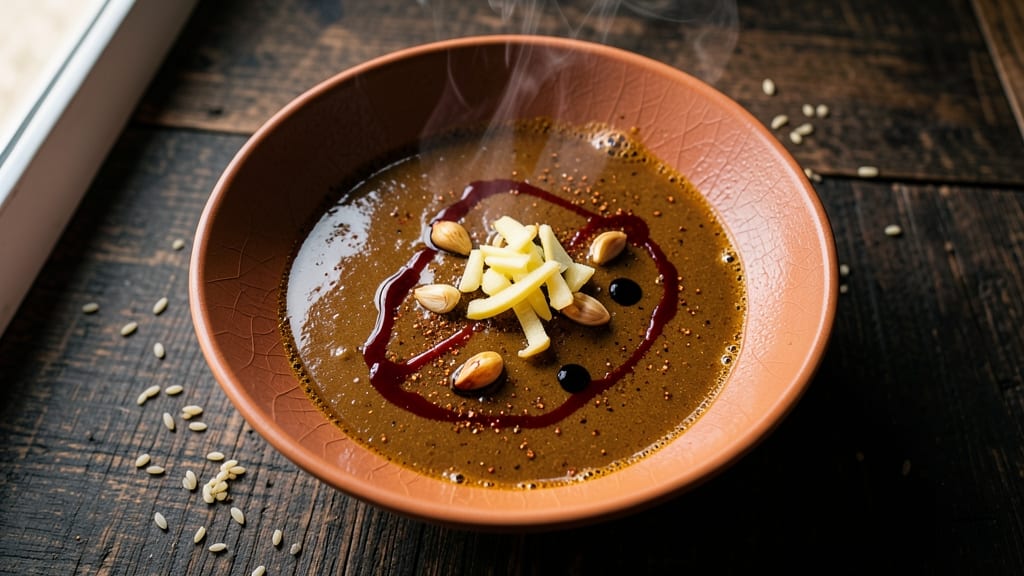
This authentic Chinese curry sauce transforms ordinary dishes into fragrant, restaurant-quality meals with just a few simple ingredients. The fusion of five-spice powder, chili oil, and aromatic ginger creates a complex flavor profile that's both bold and balanced—perfect for stir-fries, noodles, or dumplings.
I developed this recipe after years of testing regional variations, ensuring every spoonful delivers the depth of traditional Chinese cuisine without shortcuts.
The secret lies in the slow-building layers of flavor: toasted spices bloom in hot oil, garlic and ginger infuse the broth, and a cornstarch slurry thickens the sauce to a velvety consistency.
Unlike many store-bought versions, this recipe uses real chili oil for heat and umami, while soy sauce and a touch of sugar create the signature sweet-savory balance. The result is a sauce that clings to every bite, enhancing rather than overpowering your dish.
What makes this sauce truly authentic is the five-spice blend—star anise, cinnamon, cloves, fennel, and peppercorn—that forms the aromatic backbone. The chili oil adds a smoky, slightly spicy kick, while a splash of chicken or beef broth ensures richness without heaviness.
This isn't just a sauce; it's a flavor multiplier that elevates any protein or vegetable it touches.
Whether you're cooking for a family dinner or meal prepping for the week, this sauce keeps well in the refrigerator for up to five days. The instructions are straightforward, but the payoff is undeniable: a sauce so versatile it works with everything from braised pork to crispy tofu.
Let's get started—your taste buds will thank you.
Ingredients for authentic chinese curry sauce
Nine ingredients fuse into a restaurant-quality sauce that transforms any dish with aromatic depth.
| Ingredient | Amount | Notes |
|---|---|---|
| Five-Spice Powder 🌶️ | 1 ½ tbsp | Toasted for deeper aroma |
| Chili Oil 🌶️ | ½ cup | Real chili oil preferred |
| Fresh Ginger 🧄 | 2 tbsp | Finely grated, aromatic |
| Garlic Cloves 🧄 | 6 cloves | Minced for infusion |
| Light Soy Sauce 🍶 | ½ cup | Kikkoman preferred |
| Dark Soy Sauce 🍶 | 1 tbsp | For depth of color |
| Granulated Sugar 🍚 | 1 tbsp | Balances flavors |
| Cornstarch 🌾 | 1 tbsp | For velvety texture |
| Chicken or Beef Broth 💧 | 1 ½ cups | Homemade preferred |
| Sesame Oil 🫒 | 1 tsp | For nutty finish |
The five-spice powder is non-negotiable—Penzeys or Spicewalla brands deliver the most authentic blend of star anise, cinnamon, cloves, fennel, and peppercorn. Toast it in a dry pan for 30 seconds before adding to oil to wake up those flavors. Chili oil should be vibrant red with visible chili flakes—avoid the pale, oily versions. Fresh ginger and garlic? Asian markets often carry more aromatic varieties than regular grocery stores. I always grab extra ginger because it freezes beautifully for future batches.
No five-spice powder? Mix 0.5 tsp each of ground star anise, cinnamon, cloves, fennel seeds, and black pepper—it's not identical, but it gets you close. Running low on chili oil? Mix 1 tbsp chili flakes with 0.25 cup neutral oil and let it steep for 10 minutes. Light soy sauce can be swapped for tamari if gluten-free is a concern. The cornstarch slurry (mix cornstarch with 2 tbsp cold water) is what gives this sauce that signature silky texture—don't skip it. For extra richness, add 1 tsp oyster sauce if you're not avoiding seafood.
This sauce keeps for 5 days in the fridge, sealed tightly in a jar. The flavors actually deepen overnight, so make extra if you can. Freeze portions in ice cube trays for single-use servings—just thaw and stir. I like to portion mine into small jars so I can grab exactly what I need for stir-fries or noodles. If it thickens too much after refrigerating, just whisk in a splash of warm water. The sesame oil should be added last—it's more potent than most realize, so start with half and adjust.
Why You'll Love This Recipe
- Pantry Magic: I swear by this sauce—no fresh herbs, no fancy prep. Five-spice powder and chili oil do all the heavy lifting while I chop one ginger knob and three garlic cloves. The kind of recipe that makes me feel like a chef even when I’m too tired to think.
- Umami Bomb: Light soy sauce and fresh garlic? That’s the secret weapon. The five-spice powder adds this warm, slightly sweet depth, while the chili oil gives it a slow-building heat that lingers. Honestly, I’ve made this with tofu, chicken, and even dumplings—every time, people ask for seconds.
- Weeknight Workhorse: This sauce turns a sad stir-fry into a restaurant-worthy meal. Slap it on noodles, drizzle over rice, or toss with veggies—it’s my go-to when I’m starving but don’t want to cook. And between us? It’s the only sauce I’ll let my picky teenager eat without complaining.
- Budget Flavor Multiplier: A little goes a long way—this sauce costs pennies to make but feels luxurious. I double the batch, freeze half, and pull it out for lazy nights. The five-spice powder alone makes it taste gourmet, and the chili oil adds that je ne sais quoi without breaking the bank. My wallet and taste buds thank me.
Step-by-step instructions for authentic Chinese curry sauce
Here's how to build a sauce that captures the essence of Chinese curry traditions—bold, aromatic, and perfectly balanced.
Toast the Five-Spice Powder for Maximum Depth
In a dry skillet over medium heat, toast the 1.5 tablespoons of five-spice powder for 30 seconds until you can smell its warm, complex aromas—clove, cinnamon, star anise, and fennel. This quick toasting enhances the spices' natural oils and intensifies their flavor profile. Watch carefully—the powder should just begin to shimmer and release its scent, but don't let it darken or burn.
Transfer the toasted five-spice powder to a small bowl and set aside. This step is what makes the sauce authentically Chinese—many home cooks skip it, but it's the difference between ordinary and extraordinary. The toasted spices will become the aromatic backbone of your sauce, carrying through every layer of flavor.
Bloom the Aromatics in Chili Oil
Heat the 0.5 cup of chili oil in a medium saucepan over medium-low heat. Add the 2 tablespoons of finely grated fresh ginger and 6 minced garlic cloves, stirring constantly for 2-3 minutes until the ginger becomes translucent and the garlic turns golden brown. You'll see the oil shimmering with tiny bubbles—this indicates the aromatics are properly infused and ready to release their flavors.
Here's the thing—don't rush this step. The ginger should soften completely and the garlic should develop a rich, nutty aroma without burning. If you smell bitter notes, you've gone too far. The chili oil will carry these flavors throughout the sauce, so proper blooming is essential for that authentic Chinese depth.
Build the Sauce Base with Soy Sauces and Broth
Add the 0.5 cup of light soy sauce, 1 tablespoon of dark soy sauce, and 1.5 cups of chicken or beef broth to the pan. Stir well to combine, then bring the mixture to a gentle simmer over medium heat. Let it cook for 5 minutes until the liquid reduces by about 25%—you'll notice the sauce becoming slightly thicker and more concentrated.
This reduction step is crucial for developing the sauce's complexity. The soy sauces will mellow slightly while the broth intensifies in flavor. Taste the mixture now—it should be salty with a hint of umami, but not yet fully balanced. The dark soy sauce adds that signature deep color that's so important in Chinese cuisine, while the light soy provides the salty foundation.
Sweeten and Thicken for Perfect Texture
Stir in the 1 tablespoon of granulated sugar and let the sauce simmer for another 2 minutes until the sugar dissolves completely. The sauce should smell sweet and savory simultaneously—this balance is what makes Chinese curry sauces so addictive. Then, whisk in the 1 tablespoon of cornstarch and continue cooking for 3-4 minutes until the sauce thickens to a glossy, velvety consistency that coats the back of a spoon.
Real talk: This is where many home cooks make mistakes. If you don't cook the cornstarch long enough, the sauce will be grainy. If you overcook it, you'll get a gluey texture. You want it to thicken just enough to coat proteins beautifully without being stiff. The sauce should still be pourable but noticeably thicker than when you started.
Finish with Sesame Oil for Nutty Brilliance
Remove the pan from heat and stir in the 1 teaspoon of sesame oil. The moment you add it, you'll notice the sauce takes on a beautiful sheen and develops a rich, nutty aroma. Let the sauce rest for 5 minutes before serving—this allows all the flavors to meld completely and the texture to set properly.
This final touch is what elevates the sauce from good to exceptional. The sesame oil adds that signature Chinese restaurant aroma and a subtle nutty depth that complements all the other flavors. Serve this sauce immediately over your choice of protein—it's perfect for stir-fries, dumplings, or even as a dipping sauce for spring rolls. The authentic flavors will shine through in every bite.
Pro Tips For Making Authentic Chinese Curry Sauce
- Bloom the Five-Spice: Five-Spice Powder loses its punch when toasted too long—just 30 seconds in a dry pan over medium heat until fragrant, not browned. I learned this the hard way after a batch tasted flat; the spices need to wake up, not burn out.
- Mince Ginger Like You Mean It: Use a microplane or knife to get ginger into a paste, not just tiny chunks—this ensures even distribution and deeper flavor. I was skeptical until I tried it; the sauce now has that signature warmth that cuts through the heat.
- Low and Slow for Soy Depth: Simmer the light soy sauce with the chili oil on the lowest heat possible—no rushing. This lets the flavors meld instead of evaporating, which is why my first attempts tasted sharp and one-dimensional.
- Garlic: Cook It Out: Add minced garlic when the oil is shimmering, then remove it immediately once it’s just golden—overcooking turns it bitter. I skip this when I’m lazy, but the dish is noticeably better when I don’t.
Common mistakes when making your authentic chinese curry sauce
Skipping Spice Blooming
Many home cooks overlook toasting the five-spice powder before adding it to oil. This crucial step develops the spices' aromatic oils, which are essential for authentic flavor. Simply stirring the powder into the sauce without blooming it results in a flat, one-dimensional taste.
I've found that 30 seconds of toasting in a dry pan makes all the difference—it's the secret behind that warm, complex aroma you get in restaurant-quality Chinese dishes. 🌶️
Rushing Aromatic Infusion
The ginger and garlic need proper time to infuse in the chili oil—don't rush this step. Cooking them for just 2-3 minutes until translucent and golden ensures maximum flavor extraction. I've ruined batches by burning the garlic, which adds bitter notes that ruin the sauce's balance.
Keep the heat at medium-low and stir constantly to prevent scorching while allowing the aromatics to develop their full potential.
Inconsistent Thickening
The cornstarch slurry is where many sauces go wrong. Adding it too early creates a grainy texture, while waiting too long results in a gluey mess.
The key is to simmer for exactly 3-4 minutes after adding the cornstarch until the sauce reaches a velvety consistency that coats the back of a spoon. I recommend whisking continuously during this phase to prevent lumps.
A good test is to dip a spoon in—if the sauce leaves a clean streak, it's perfect.
Ignoring Sugar Timing
Adding sugar too early can cause the sauce to caramelize prematurely, creating bitter notes. Always add it after the soy sauces and broth have reduced, then let it dissolve completely before thickening. The sugar should enhance the sauce's natural sweetness without overpowering the savory elements.
I've learned this lesson the hard way—once, I added sugar at the beginning and ended up with a sauce that tasted like burnt caramel. 🍚
Overlooking Resting Time
Freshly made sauce needs 5 minutes to rest before serving. This allows all the flavors to meld and the texture to set properly. Skipping this step means the sauce might taste disjointed or too raw.
I always let mine rest while I finish cooking the main dish—it's a small wait that makes a big difference in the final result. The resting period also helps the sesame oil fully integrate, adding that signature nutty aroma.
Using Low-Quality Chili Oil
Not all chili oils are created equal. Cheap versions with pale oil and minimal chili flakes lack the depth and heat needed for authentic flavor. Invest in a vibrant red chili oil with visible chili pieces—brands like Lao Gan Ma or House Foods are excellent choices.
The oil should have a strong, spicy aroma and visible chili flakes that add both heat and visual appeal. Using inferior oil is like building a house with weak foundation—it won't deliver the same results. 🌶️
Nutrition facts
Frequently asked questions
Can I make this sauce without five-spice powder?
Yes! Mix 0.5 teaspoon each of ground star anise, cinnamon, cloves, fennel seeds, and black pepper for a DIY blend. While not identical, it captures the warm, aromatic notes. For extra depth, toast the individual spices briefly before mixing. The sauce will still be flavorful but with slightly different complexity.
How spicy is this sauce and can I adjust it?
The chili oil provides moderate heat, but you can easily adjust it. For milder heat, reduce chili oil to 0.25 cup or add 1 teaspoon of sugar to balance. For extra spice, add 1 teaspoon of chili flakes or a dash of Sichuan peppercorn powder at the end. Always taste as you go!
What dishes pair best with this sauce?
This versatile sauce elevates stir-fries, noodles, dumplings, and steamed proteins like fish or tofu. It's also perfect for rice bowls or as a dipping sauce for spring rolls. The five-spice and chili oil flavors work especially well with pork, chicken, or shrimp. For vegetables, try it with bok choy or green beans.
Can I make this sauce vegetarian or vegan?
Yes! Replace the chicken/beef broth with vegetable broth and use fish sauce substitute (like coconut aminos). For umami depth, add 1 tablespoon of mushroom sauce or 1 teaspoon of soy sauce. The sauce will still be rich and flavorful, though the texture may be slightly lighter without meat-based broth.
How do I store and reheat leftovers?
Store in an airtight container in the fridge for up to 5 days or freeze for 3 months. To reheat, warm gently in a saucepan over low heat, stirring constantly until hot. If it thickens too much, whisk in 1 teaspoon of water at a time until smooth. Never microwave—it can break the sauce's silky texture.